Apple iPhone 14 Pro Max — new 48MP camera good enough to challenge mirrorless cameras?
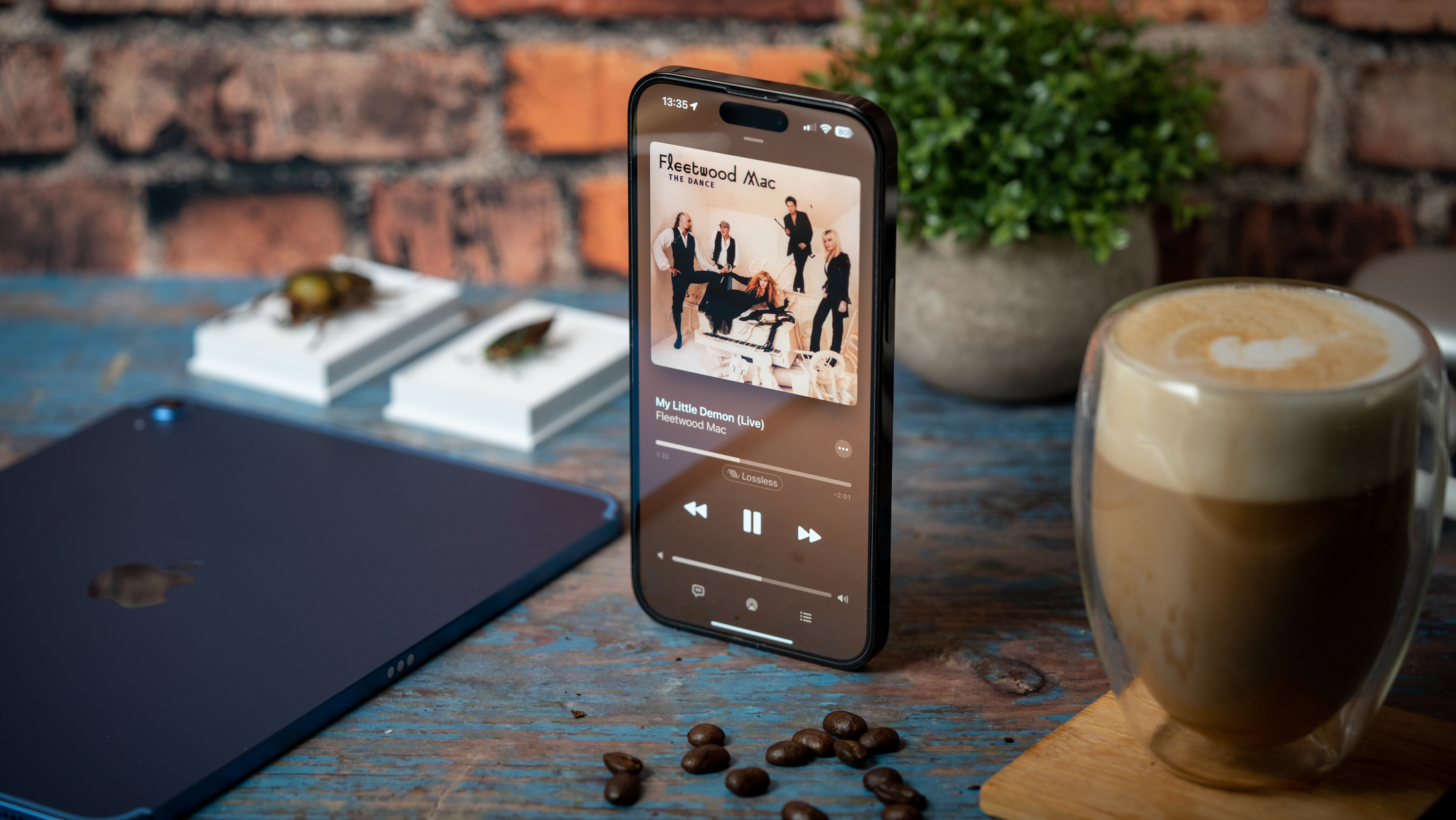
Apple iPhone 14 Pro Max. Picture: Noel Campion.
The latest roundup of Apple devices was unveiled back in September and I’ve been testing the iPhone 14 Pro Max ever since for this long-term review. It would have been easy to jump on board the early review train, but instead, I wait so that I could live with the device for a while and get the latest updates before providing an honest opinion about what Apple says is the best iPhone to date.
While many of the upgrades this year are iterative, the sum of all its parts is what makes this one of the biggest changes to an iPhone in years. This isn’t to say that everyone should run out and buy one especially if you already own an iPhone 12 or above. The lust for a new phone every year has run its course and now most people want a great phone that will last them two, three or even more years and that’s one of the things that makes iPhone such a great buy.
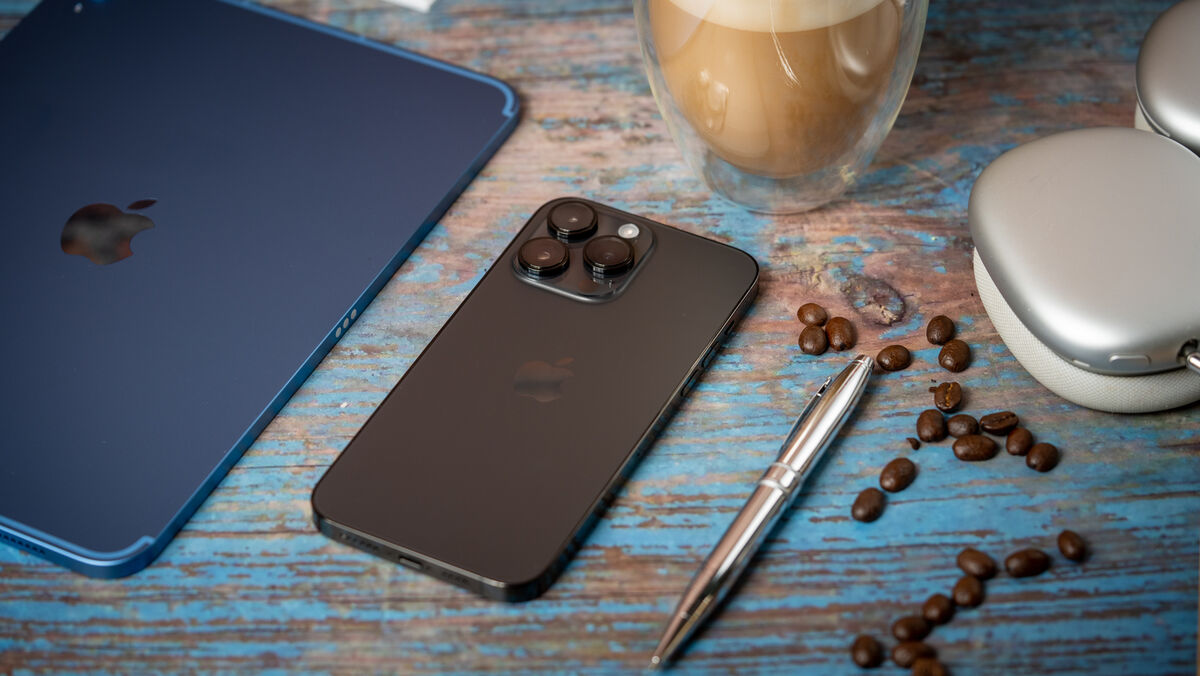
Not too much has changed from the iPhone 12 or 13 Pro Max. The bump on the back is larger due to the new cameras and while some reviews complained about this, it doesn’t bother me as long there are improvements in image quality. I’ve seen reviewers complain about how a phone will wobble when it’s sat on a desk and they're trying to use the touch screen. I’m not sure why since it’s a capacitive and not a resistive touchscreen, which requires little to no force. With a case installed, it becomes a non-issue.
Yes, the design is very similar to previous models and I would love to see Apple slim down the bezels and lose a little of the weight on the Pro Max models but I still love how it looks and feels in the hand.
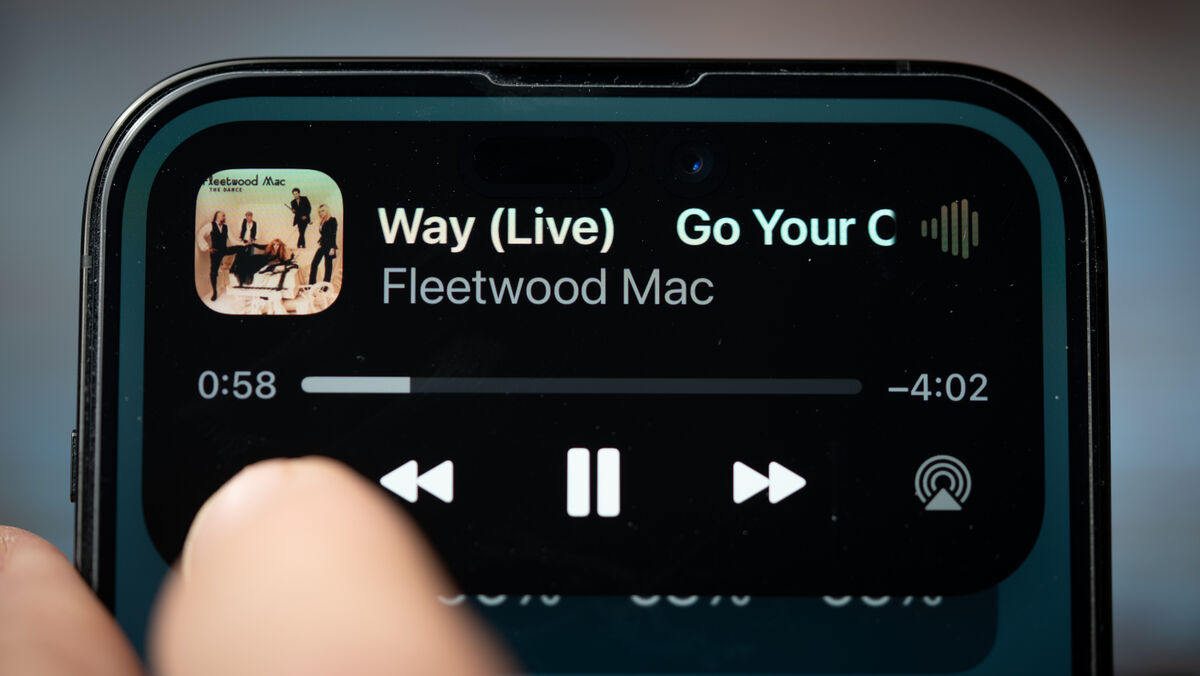
The notch is no more and has been replaced by what Apple calls Dynamic Island. This is a long pill-shaped cutout that essentially hides the camera and associated sensors that live beneath the display. This takes up a lot of space on the top of the screen which seems like a backward step considering the tiny punch-hole cutouts found on so many Android handsets. Of course, Apple could reduce the size of the cutout by ditching the LiDAR sensor that’s used for FaceID and moving to something like an under-display fingerprint reader but for now, they’re sticking with the tried and tested because it works so well.
The Dynamic Island is exclusive to the iPhone 14 Pro models and while it doesn’t take up as much space as the previous notch, it’s positioned a little further down the display. This does make it more noticeable when viewing full-screen content like widescreen moves. However, in everyday use, this is a non-issue and for me at least, just like the notch, you soon forget it’s there.
Where the genius comes in is how Apple has taken something that everyone wants to hide and made it into a feature that adds functionality and form. It provides improved multitasking and easier information access by combining alerts, notifications, and activities in one dynamic location. While using an app, alerts and system notifications don't interfere and seeing more about what's happening in the background is simple. Additionally, Live Activities can stay active anywhere on iPhone thanks to Dynamic Island, providing quick access to settings and more details about what's going on.
An excellent illustration of this is how Apple Music displays the album art for the song you are now listening to, FaceTime records the call time, and Maps informs you of your location. While music is playing, you’ll see a small icon that represents the album art on the left and a waveform that represents the audio. When you press and hold on the island, it will smoothly animate to a larger box that displays the album art, track title, waveform and playback controls beneath. The transition is so smooth and a quick tap will bring you straight to the app.
While this works great for apps like Apple Music, it isn’t supported by the majority of third-party apps. I tried Spotify and Tidal and neither support Dynamic Island or at least not yet. At the time of posting this review, there are only a handful of non-Apple apps that do support it.
Dynamic Island isn’t a game-changer, but I think it has a ton of potential and I’m excited to see what some of my favourite app developers do with this innovative feature.
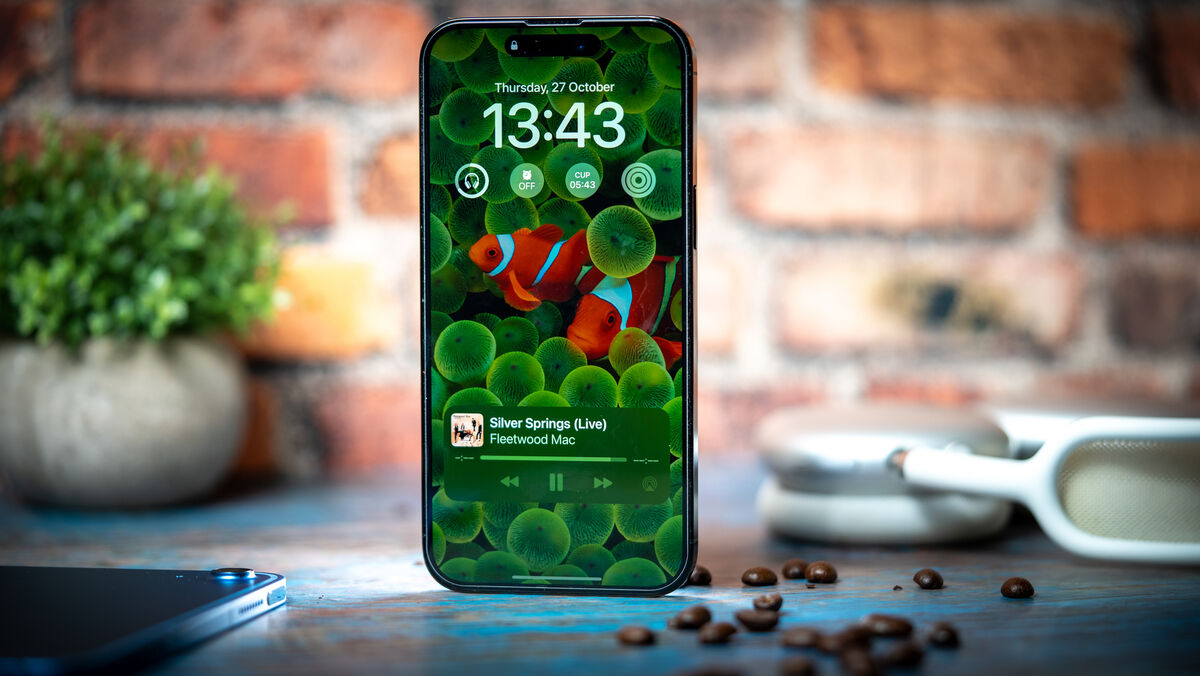
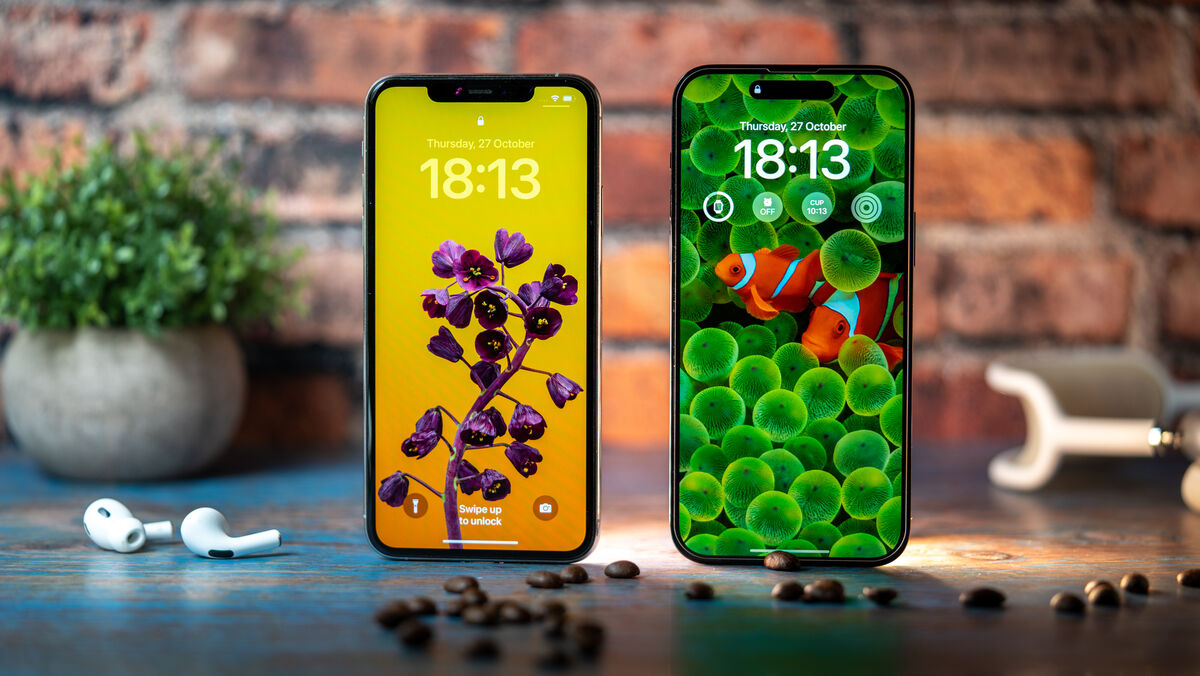
During the iPhone 14 event, one of the new features I was most excited for is the always-on display. I know many Android users will scorn Apple fans that this isn’t anything new but it’s better late than never. Unfortunately, just like Dynamic Island, the always-on display is only available on the Pro models.
The always-on display keeps the most important data easily accessible. The entire Lock Screen, including new widgets, Live Activities, and even your wallpaper, is automatically dimmed based on the ambient light. This means you can easily see what’s on the lock screen, including new notifications. It can get really dim in the dark and super bright outdoors on a sunny day. I had mine set to be disabled during Bedtime focus so that it didn’t light up the room in the dark and waste extra battery life.
When the phone is locked, it is convenient to glance at the screen rather than pressing it to wake it up to check for basic information like notifications, the time, and widgets. What’s innovative about Apple’s implementation is the entire screen is on and not just text and outlines. It also includes wallpapers including your own photos if you like. I know the feature has its critics, but I absolutely love it. I find I don’t need to unlock my screen as often as I used to on the iPhone 13 Pro.
I love the ability to add widgets that tell me the percentage of battery left on my AirPods and Apple Watch. I like that I can add images of my loved ones to the display or make a dynamic group of photos that change as I use my phone throughout the day. If you press and hold on the screen when it’s locked it will take you to the options for always-on. Here you can customise different sets of always-on lock screens and easily choose one. I love being able to quickly switch from a formal one for work and then a more personal one for leisure time.
The 6.7-inch display is stunning with a peak outdoor brightness of 2000nits and 1600 nits for HDR content which is 33% brighter than previous models. Refresh rates are up to 120Hz for silky smooth scrolling and animations but unlike other premium handsets, its lower limit is 10Hz and not 1Hz.
In my testing, I didn’t notice any difference between opening apps on the iPhone 13 Pro with the A15 processor and the iPhone 14 Pro Max with the A16 processor. However, in general use, I did notice it was a little snappier and smoother overall. Going by my extensive benchmark tests, the new A16 is faster, but not by much and I don’t think it should be a reason to upgrade from an iPhone 13 or even iPhone 12.
What’s new to this year’s lineup is that the iPhone 14, and iPhone 14 Plus are using the A15 Bionic and only the Pro models come with the new A16 chipset. While the boost in performance is apparent on synthetic benchmarks, it’s much harder to see a difference in real-world use. That being said, you do get peace of mind knowing that you’re more future-proof in getting an iPhone 14 Pro.
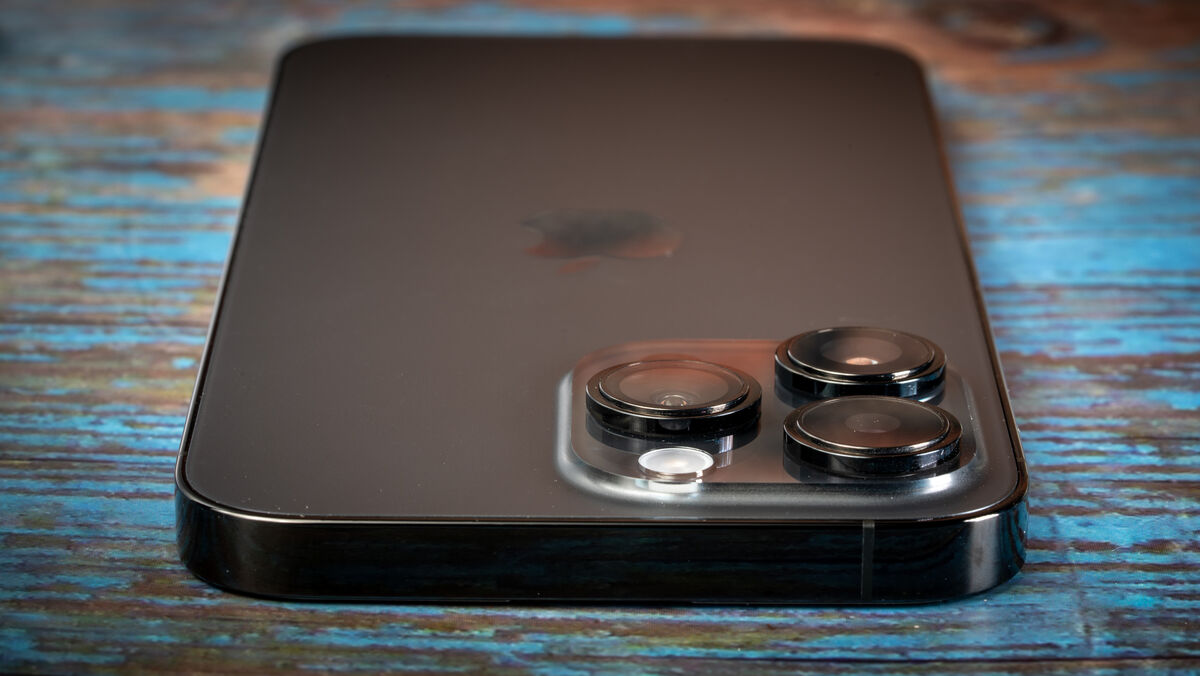
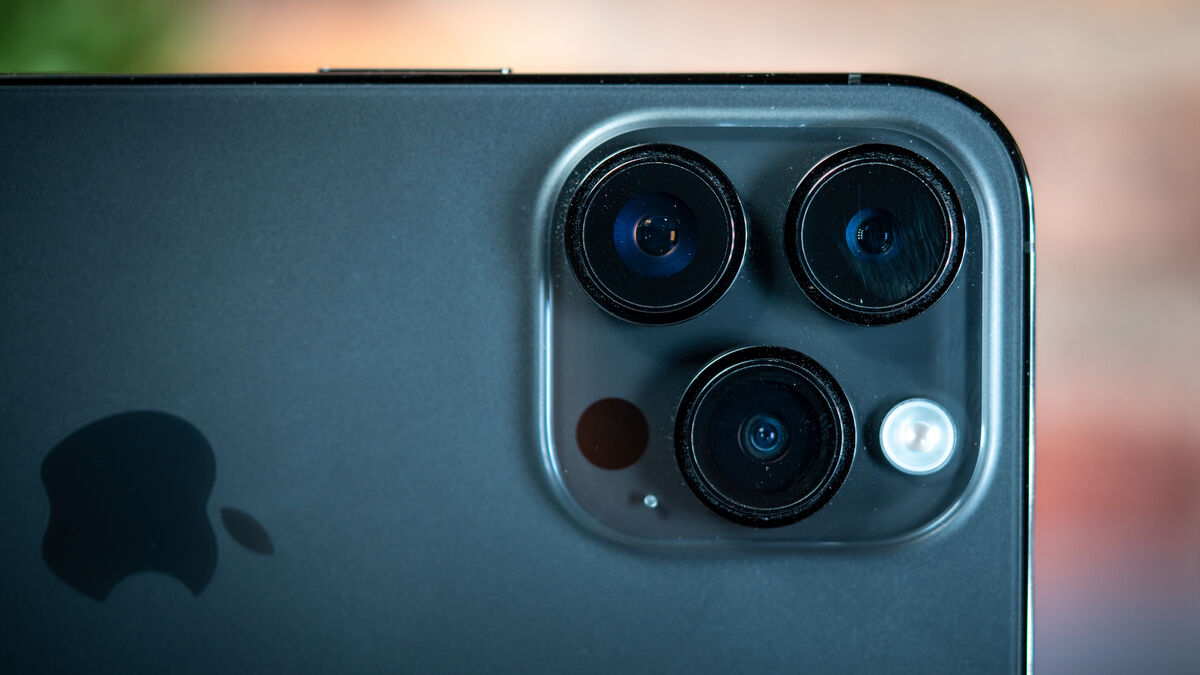
The entire camera system on the Pro models has seen a major overhaul in both hardware and features. The headline feature is the new 48MP sensor on the main camera which is now a slightly wider 24mm (f/1.78) versus the 26mm (f/1.5) found on the iPhone 13 Pro.
I tested lots of phone cameras with more megapixels, but none of them can match the sensor on the iPhone 14 Pro Max. In fact, it can even rival mirrorless cameras if the lighting conditions are perfect. To use the full potential of the sensor you have to enable both Apple ProRAW and ProRAW Resolution in the camera settings menu. You can then toggle 48MP mode on and off in the camera app.
When you don’t shoot in RAW mode the camera will shoot in 12MP mode by combining pixels. The disadvantage of using ProRAW all the time is that you will have to edit and save the file before you can share it in a messaging app and the file sizes are massive (over 70Mb).
The level of detail possible from the main camera's 48MP sensor is incredible and the RAW files provide much more information for editing your photos later. You can crop in on shots and still retain lots of image data or adjust shadow and highlights and restore massive amounts of detail.
Although I’m a huge fan of the new 48MP mode on the main camera, I don’t need it for most everyday shots where the camera can use the standard 12MP mode. These are also a big upgrade from last year and offer improvements in colour accuracy and detail, although I would prefer a little less sharpening in the processing.
There’s now a 2x zoom that uses a 12MP crop of the 48MP sensor — the results are impressive and good enough to rival many optical 2x cameras. There’s also a new 12MP 3x zoom lens that’s great for portraits and for getting closer to objects you can’t otherwise reach. I think 3x is the sweet spot for zoom lenses on a smartphone because I find 5x too close to be usable and anything more than that isn’t really usable. I know there are great options at 10x optical zoom and those are great, but I rarely find any real use for them. If I want to zoom any more than that, I’ll be using a big lens on my mirrorless camera where I can retain lots of detail for things like wildlife.
And finally, there’s the new ultra-wide camera that features a new sensor nearly twice the size of the iPhone 13 Pro. It has 100% focus pixels for an improvement in autofocus and together with the new Photonic Engine, it delivers up to 3x better low-light photos. It also works to get close to subjects for awesome macro shots.
There’s a new and improved flash that can detect the distance to your subject and focal length to adapt the spread of light to ensure an even spread. This works well in practice too for taking things like portraits that don’t look unnatural thanks to blown-out highlights.
HDR (high dynamic range) has improved too but not in a way that some users think is important. Too often, aggressive HDR will capture detail in the sky and in shadows but the resulting image looks flat and unnatural. The new Photonic Engine appears to retain detail without destroying the essence of the image. The result is more contrast while still maintaining a natural level of detail and if you shoot in ProRAW you have lots of latitude in post-editing.
I love being able to AirDrop the 48MP ProRAW files to my MacBook pro and edit them in Lightroom Classic. However, the built-in editor in Photos is excellent and you can also use other photo apps including Lightroom mobile.
The low-light capabilities of the new cameras are an improvement over last year's but in side-by-side comparisons, I didn’t always see much of a difference.
With a faster aperture (f/1.9) and first-ever autofocus, the new front camera is great for group shots, images from various angles, night mode, and even close-ups. Cinematic mode now records in Dolby Vision HDR and supports resolutions up to 4K at 30 frames per second. And, Face ID can now unlock in landscape mode.
Where the iPhone 14 Pro Max continues to exceed is in videography. Here we see leaps in performance and additional features including Action Mode that stabilises video — with a massive crop — for super-steady footage. When paired with Dolby Vision or ProRes recording it becomes an amazing creative tool that supports up to 2.8K resolution and 60 frames per second.
Without carrying additional equipment like a gimbal, action mode enables you to produce fantastic-looking, smooth footage for handheld video. The results are astounding and although I didn’t use it much, I can see it as a great option for those involved in sports or just for shots of kids playing.
The cinematic mode is greatly improved. The bokeh looks more natural/believable and now supports 4K resolution at 30fps as well as a more cinematic 24fps. Additionally, it features improved rendering with better outcomes for spectacles and hair. The focus can be altered both during and after capture for greater artistic flexibility.
The iPhone 14 Pro Max is a battery beast with ultra-lasting power to get you through a long day. I found the always-on display did affect the battery usage but not by as much as I would have thought. Regardless, I loved the feature too much to turn it off.
The only caveat I would add to the battery performance is that at this time of year, I spend a lot less time outdoors in bright sunlight and now that the display has a 2000nit outdoor brightness setting, the battery may not perform as well in the summer months. Also, I have seen the battery improve with the latest updates last of which was iOS 16.1.
There’s no charger in the box, so you’ll need to supply your own USB-C power brick. You will get a Lightning to USB-C cable but this will change in the next year or two to USB-C.
All iPhone 14 series phones have sensors built in for a feature called Crash Detection. It's designed to immediately alert emergency services if you've been in a car accident, which is a very important safety feature. It’s like an insurance policy that you may never need but are glad you have in an emergency.
I know some who love to upgrade to the latest and greatest every year. However, more and more people are holding onto their phones for much longer and iPhones, in particular, are built to last. Apple will support iPhones for seven years from the last time it sold that particular model.
If you’re thinking of upgrading from something like an iPhone 11 Pro Max you’ll see a massive leap in features and improvements including MagSafe, faster wired and wireless charging, a slightly larger 6.7-inch display with HDR and a 120Hz refresh rate, a higher peak brightness, a much faster processor, longer battery life, more RAM, higher storage options and 5G connectivity.
The cameras are vastly improved too with higher resolutions and big advances in image quality. You also get extra features including Deep Fusion, Smart HDR 4, Night mode, a LiDAR Scanner, Apple ProRAW and Burst mode.
The iPhone 14 Pro Max is Apple’s best iPhone to date. I’m not saying it’s perfect and there’s always room for improvement but there’s no other phone that I’ve reviewed that comes close to its ease of use, class-leading cameras, sound system and speakers as well as software update support.
Many new features including Dynamic Island and the always-on display are welcome additions but aren’t must-haves. They will improve with future updates but it’s when you combine the sum of all the improvements and take into account the entire ecosystem — seamless integration with Mac, Apple TV, AirPods etc., you end up with a package that’s impossible to beat for most people.


CONNECT WITH US TODAY



Be the first to know the latest news and updates