Oppo Find N — a foldable phone with a difference
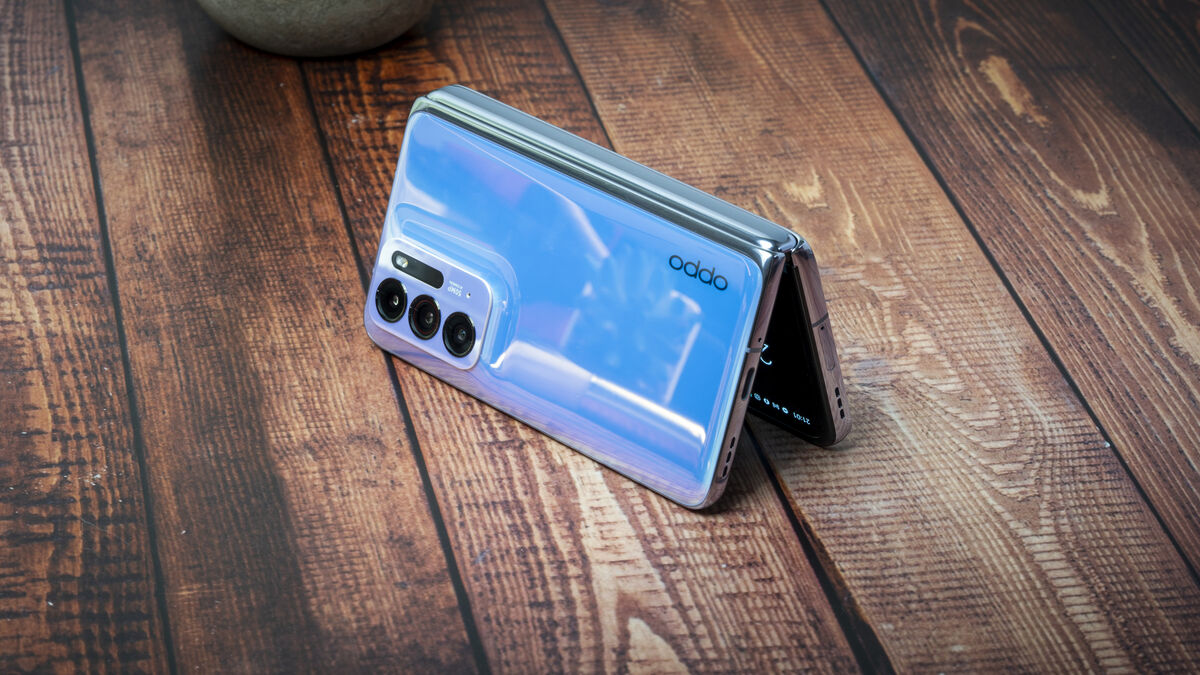
Oppo Find N foldable phone. Pic: Noel Campion.
Despite the fact that companies such as Samsung are in their third iteration of the Galaxy Fold, I still think the foldable format is not ready for mass-market. There are many reasons for this including the premium price early adopters have to pay for owning the latest and greatest tech. However, another reason could be the form factor itself. While the tech is really cool the practicality isn’t as appealing as some might suggest.
Oppo is hoping to change people’s perception of what a foldable is and although their first foray into the foldable market is currently only available in China, I got early access to one for the last month to see if it’s something that we should be excited for if it were to be released on our shores.
Oppo said they produced several prototype devices over the last four years before they were satisfied they’d designed a device that could meet the durability demands of everyday use. The result of their efforts is the Oppo Find N and for a first attempt, it’s hard not to be impressed.
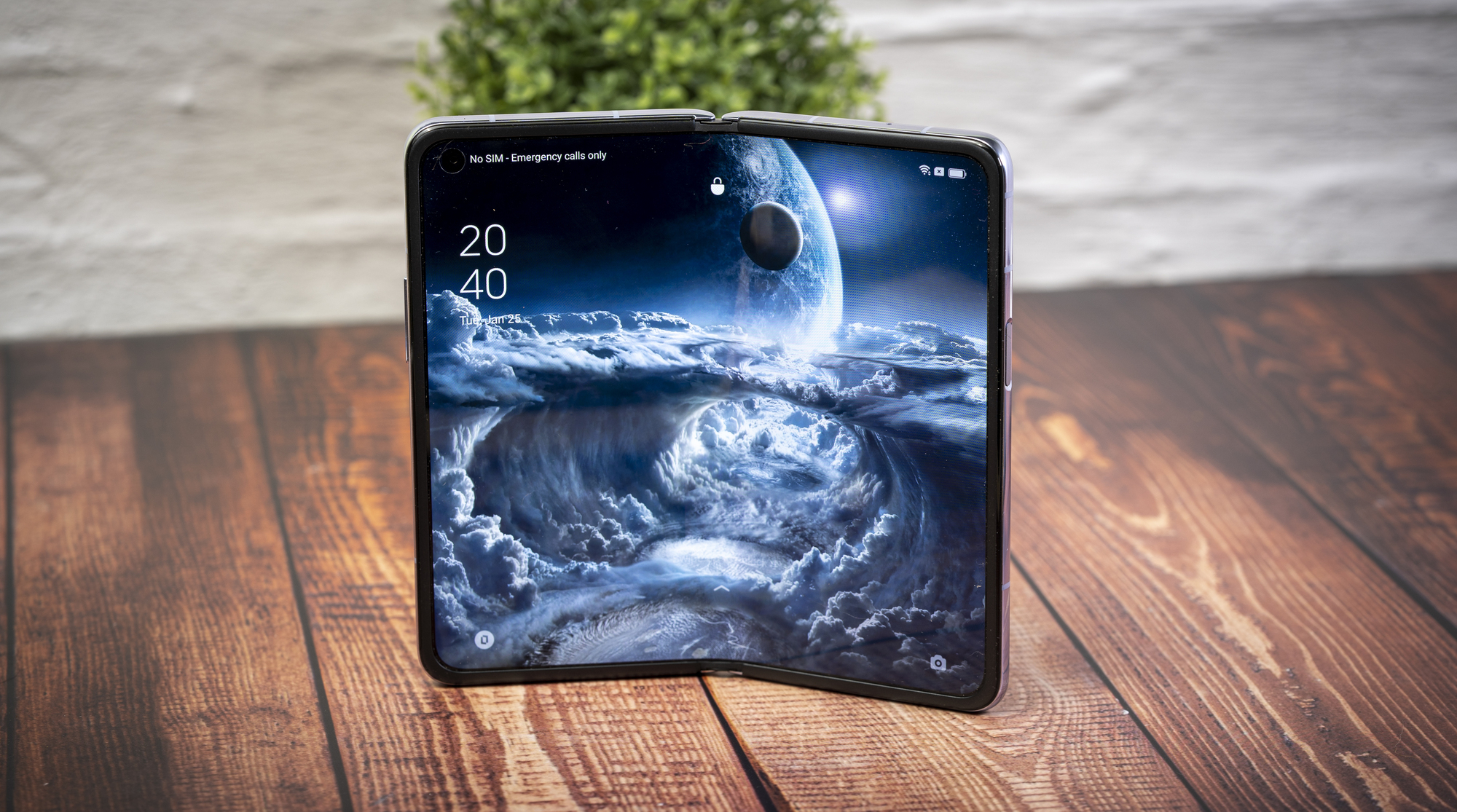
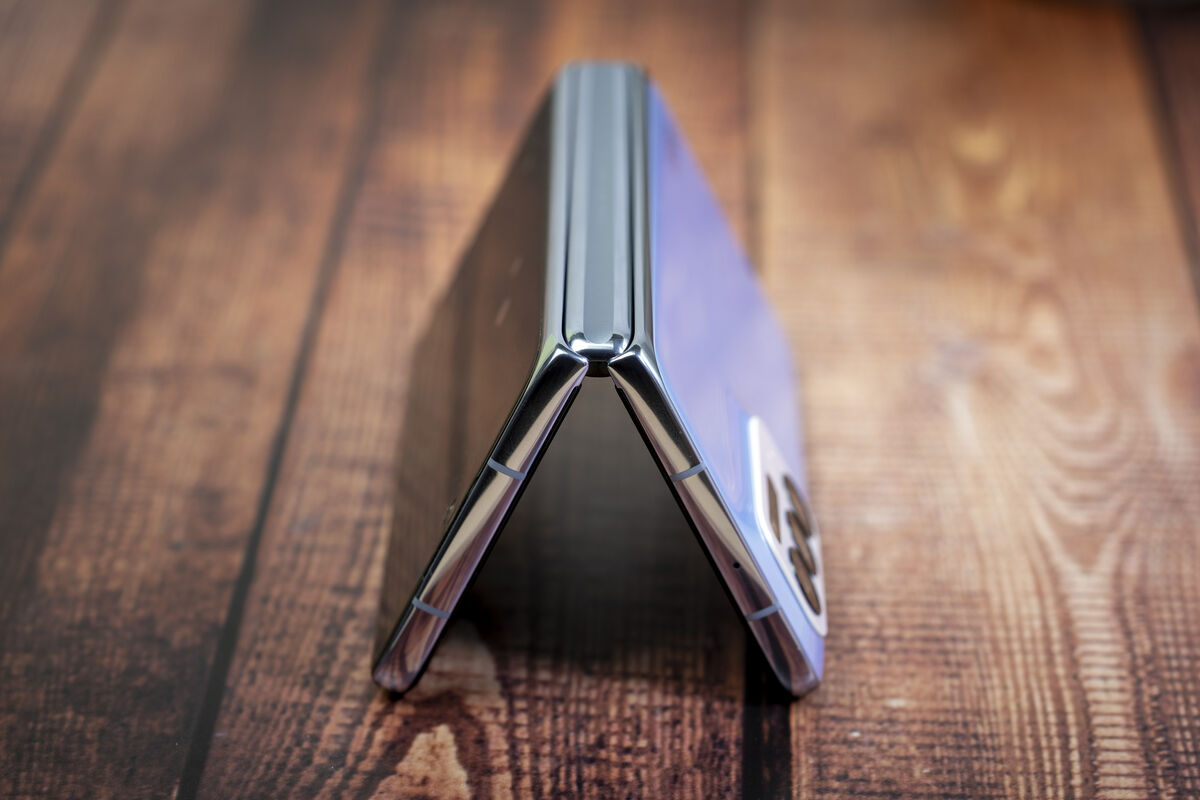
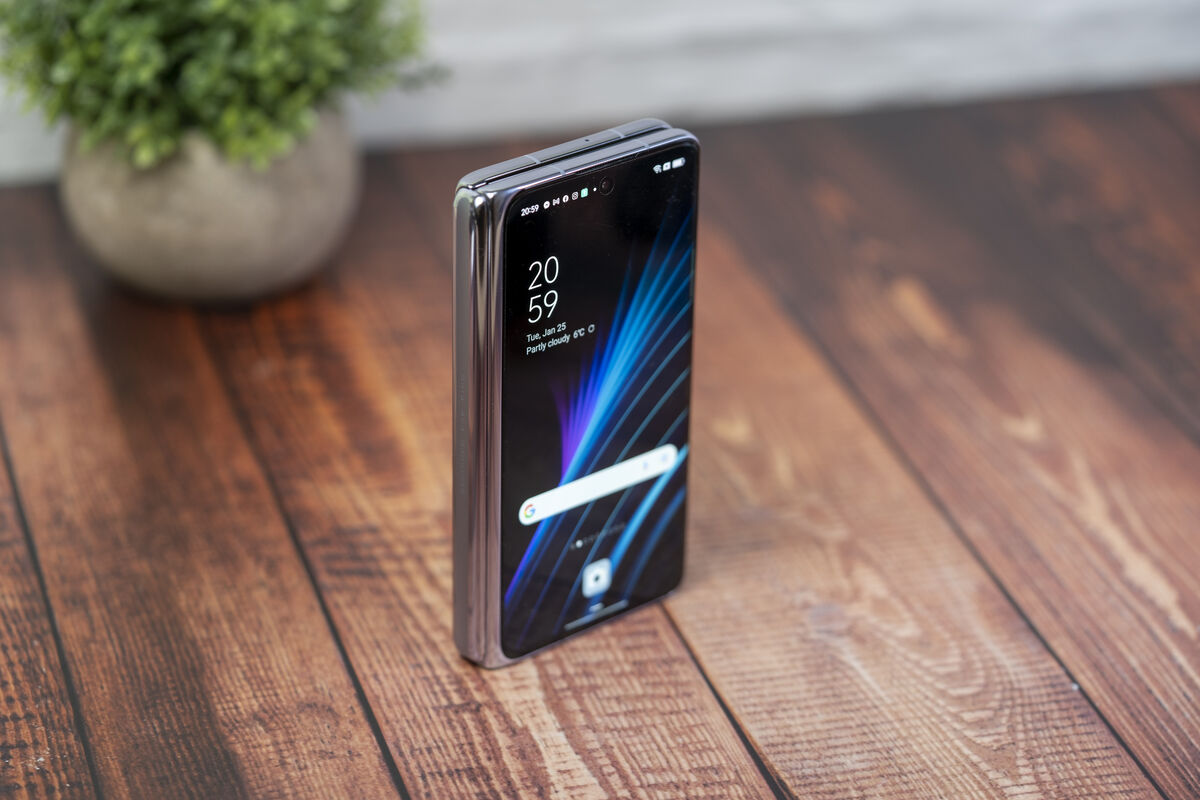
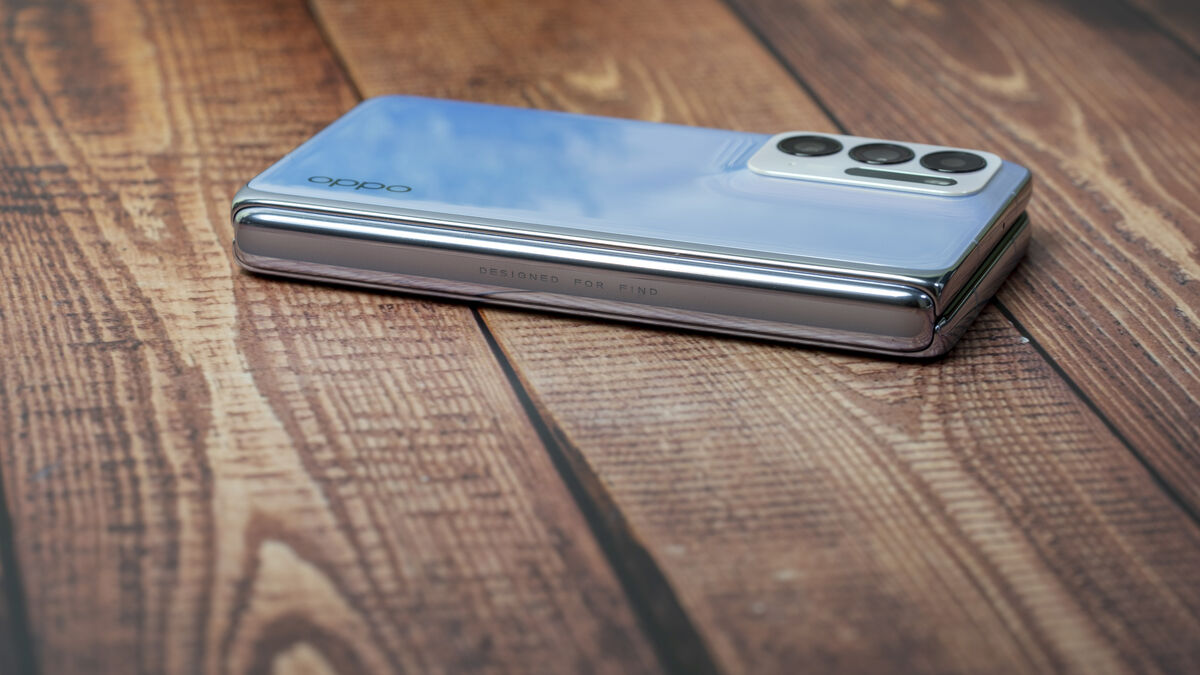
One of the key design choices for the Find N is the outer display which is in a more traditional aspect ratio that makes using it more like a non-foldable phone — although it’s more than twice as thick.
Foldables like the Galaxy Fold 3 have a really tall and thin front cover display. This is far less practical because it’s impossible to use it single-handed and the display is so narrow it makes typing on it difficult. The Find N solves this problem with a more traditional aspect ratio of 18:9. While the external screen may seem small by flagship standards, the 5.5-inch size is the sweet spot between being large without being too big to use one-handed.
When you unfold the Find N you’re greeted with a gorgeous 7.1-inch display that’s almost square. It features a small punch-hold cutout for the front-facing camera and a fold right in the middle.
Oppo’s proprietary hinge design means the crease is far less noticeable than any other folding device I’ve used. You don’t see it when viewing the screen directly but it is visible when viewed off-axis, with light from the side. You will also feel it when you run your finger across the centre but far less than the Galaxy Fold.
What really impressed me is that the Find N is easy to hold in one hand when unfolded. I had no problem being able to use it with one hand while open and that’s a bid deal. However, while it’s fantastic in terms of ergonomics, the square aspect screen ratio and screen size does mean it doesn’t fully deliver on one of the key benefits of a folding device — a big screen. While a 7.1-inch display is nice, its aspect ratio means that when you are viewing content like widescreen movies you get large black bars on top and bottom. YouTube videos tend to fill the screen a bit more.
You can force apps into full-screen mode rather than the default 16:9 or 4:3 aspect ratios but not all apps will support it. A good example of this is Instagram. This is because app developers need to enable screen resizing to the foldable form factor.
By default, apps like Lightroom mobile or Amazon Photos are set to the standard 16:9 tall aspect screen ratio but both work brilliantly in full-screen mode taking full advantage of the screen size. Any of the games I tried worked great too and the extra screen size does make it feel more immersive.
Oppo has tweaked the Android OS in a way that makes transitioning apps from the full-screen to the front screen seamlessly. If you are using an app in the unfolded mode, when you fold the phone it will give you the option to swipe up on the front display if you want to continue using the app.
Another area where Oppo has tweaked the OS to take advantage of the format is in muti-tasking. You can have two apps running side-by-side which makes the Find N feel and work as if you have two phones stuck together. However, not all apps support this feature. When it does work, it’s incredibly productive and you can also put apps into smaller floating windows too.
The Oppo Find N is no slouch in the specs department sporting the Snapdragon 888 with a generous 12GB of RAM and 512GB of storage on my loan unit. It also comes with a large 4,500 mAh battery that was able to see me through a full day of heavy use.
The Find N also comes with wireless charging, reverse wireless charging and a 33W SuperVOOC charger that can fill an almost empty battery in 70 minutes.
The power button doubles as a fast and reliable fingerprint reader.
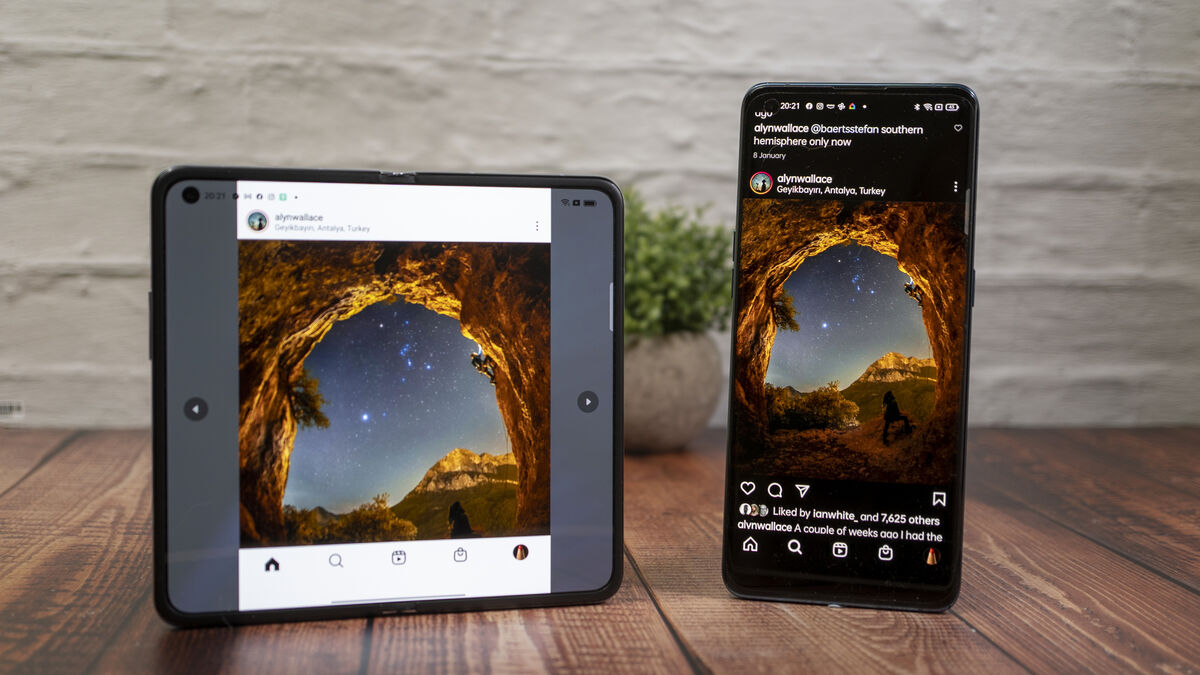
The inner 7.1-inch LPTO AMOLED panel has a resolution of 1920×1792 with a refresh rate of up to 120Hz with support for both HDR10 and HDR10+.
The external display is a 60Hz AMOLED panel with a resolution of 1972×988 and both screens look stunning. I didn’t notice any colour inconsistencies when switching between the two displays.
There are two down-firing stereo speakers that sound fine but I had a habit of covering them with my fingers while holding the phone with two hands when gaming or watching a movie.
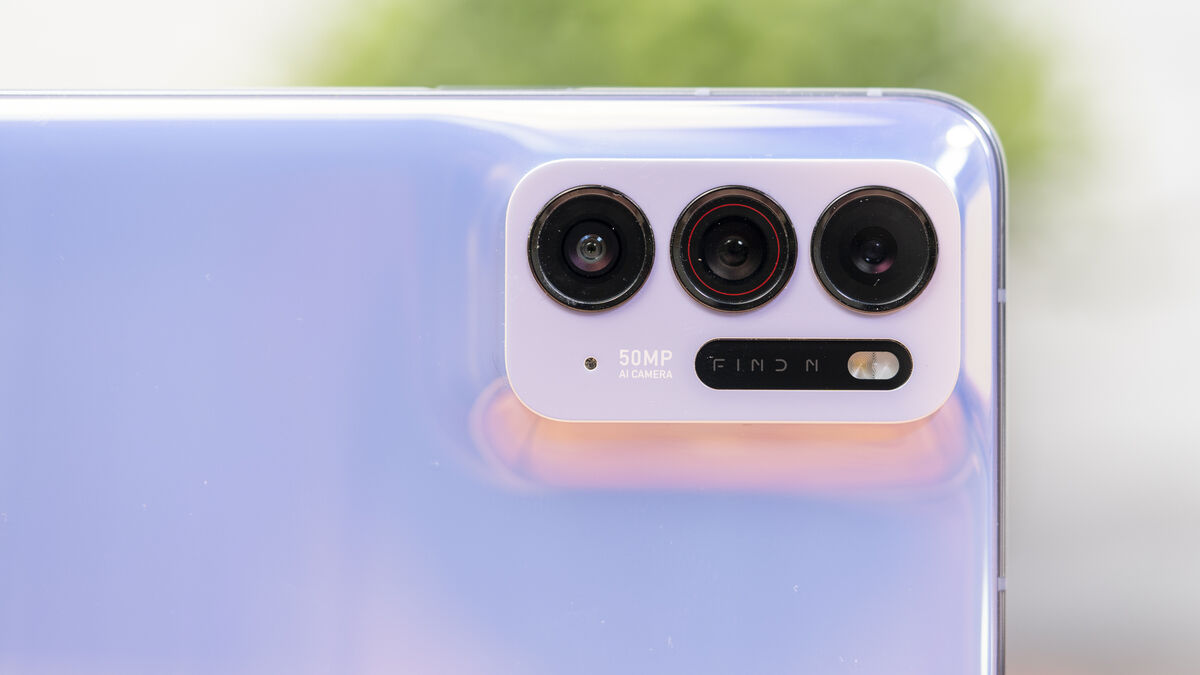
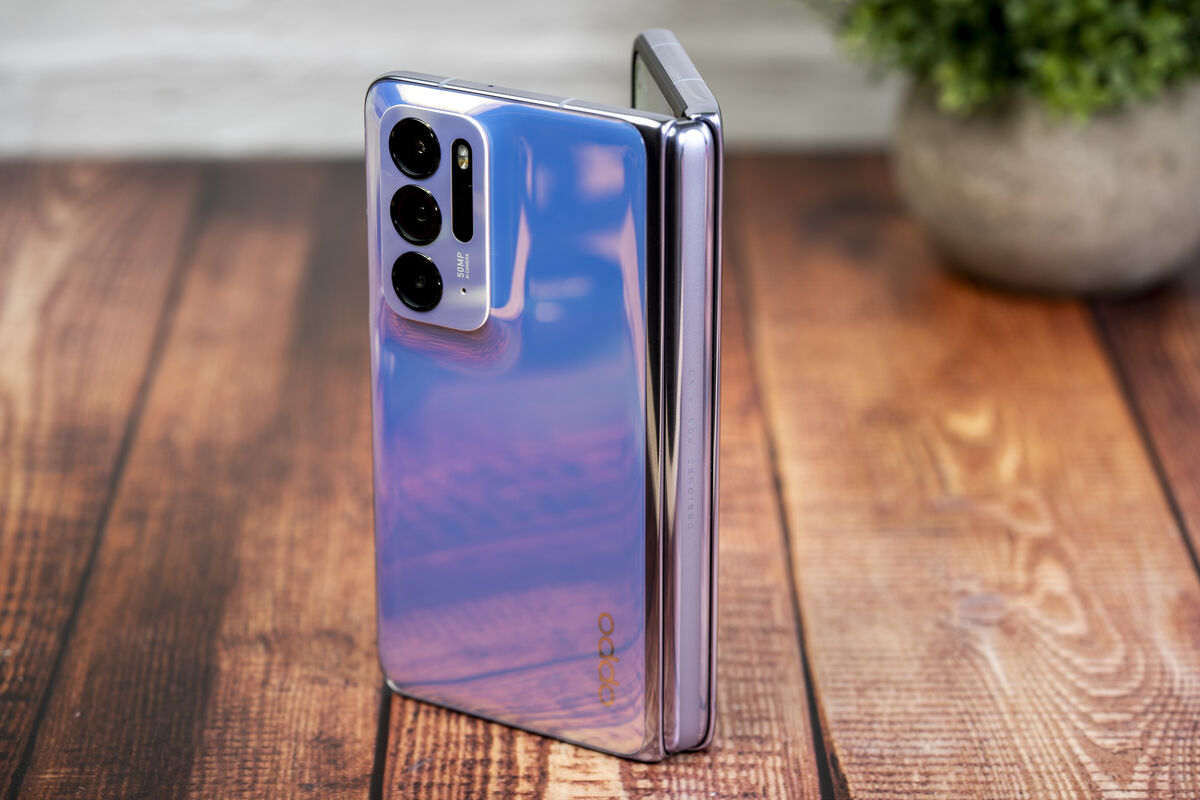
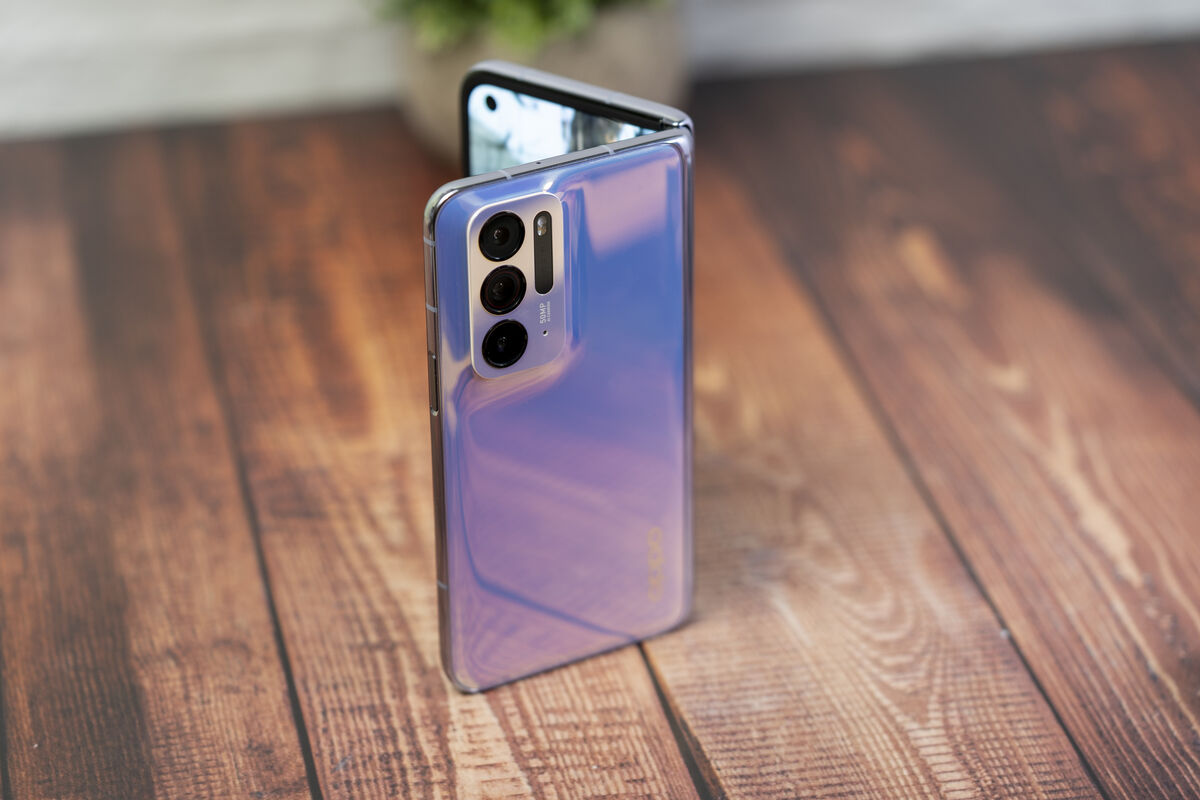
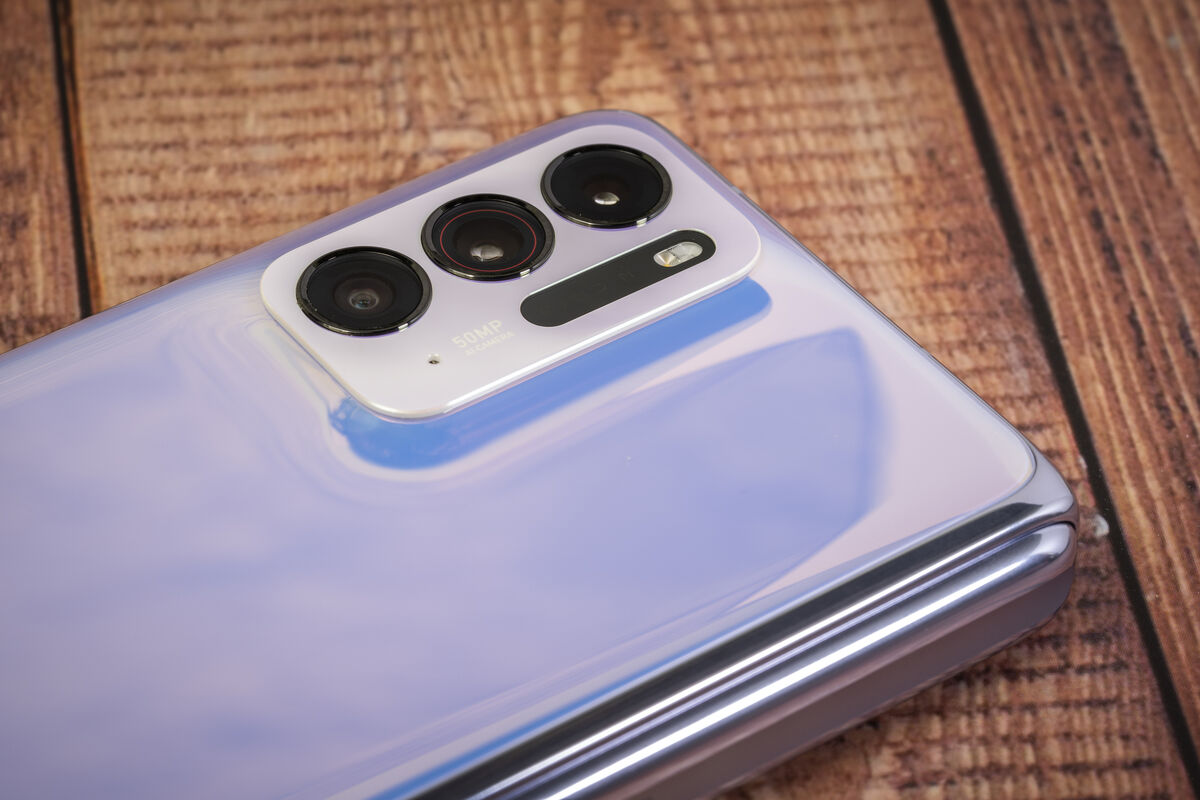
The Find N has an impressive triple camera system on its back that features a 50MP main sensor with omni-directional PDAF and OIS. There’s also a decent 13MP telephoto 2x optical camera and a 16MP ultra-wide.
You also get two selfie cameras on the inside and cover screens and both with 32MP sensors.
The camera app takes advantage of the extra screen size and when you half fold the display, you can use it as a stand to take selfies.
It would be unjust to declare a verdict on the Oppo Find N at this point since I was only able to test the Chinese version which has not been localised for the European market. However, it is the most usable foldable phone I tested to date and I finally feel that companies like Oppo are trying to give consumers something that’s not only technologically cool but also a device that is productive.
While the Find N isn’t perfect, it goes a long way to solving many of the issues others have faced and failed to fix.
CONNECT WITH US TODAY



Be the first to know the latest news and updates