Housing construction activity falls at 'solid pace' in September
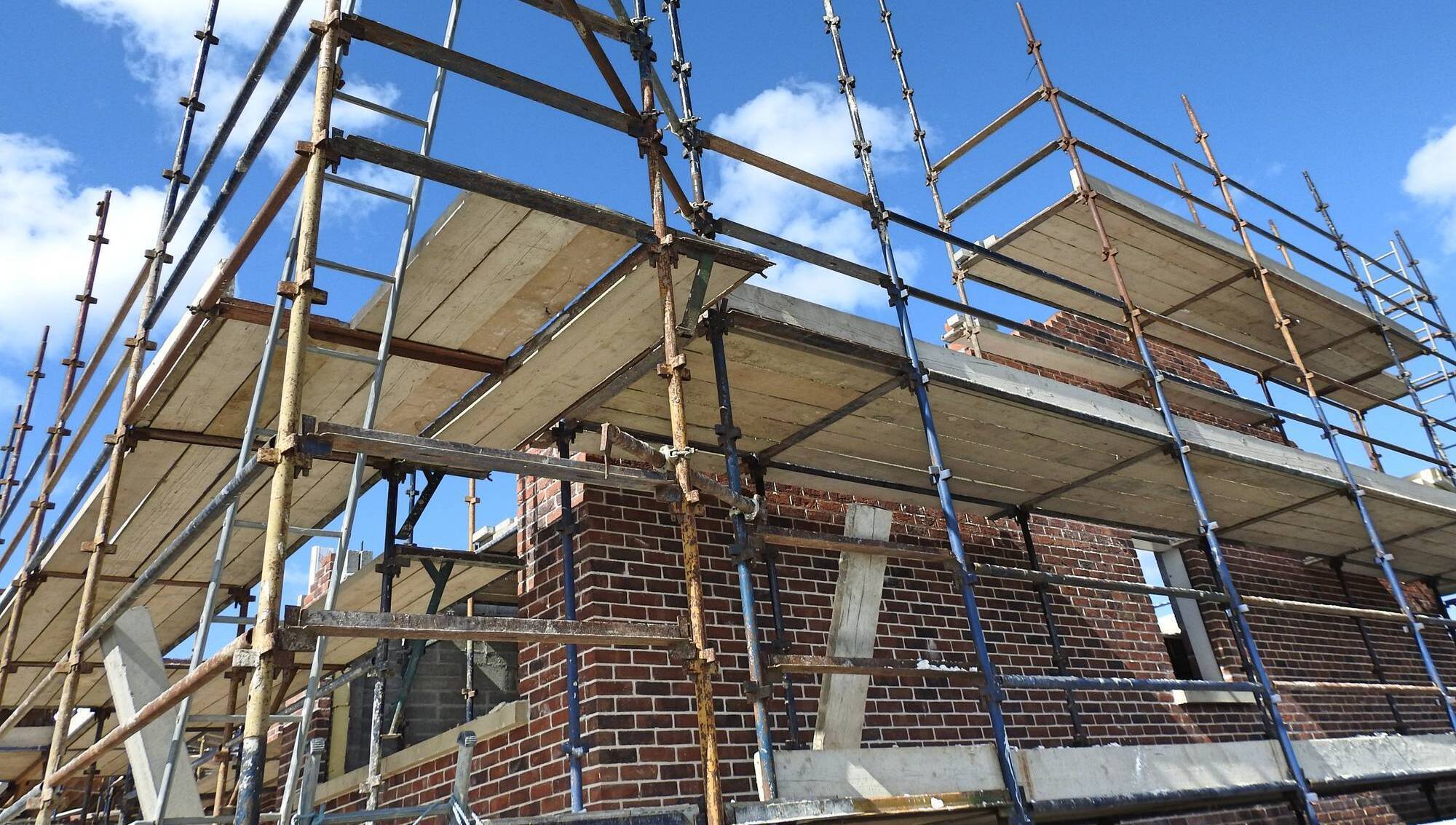
The latest AIB Purchasing Managers Index said the rise in total construction activity was limited by a further solid fall in work on residential projects in September as housing activity decreased for the second month running. File picture
Housing construction activity fell for the second month in a row in September and at a “solid pace” dragging down the activity levels across the construction sector, the latest AIB Purchasing Managers Index (PMI) shows.
The PMI reading for the construction sector stood at 50.4 during September, down from the 50.7 recorded in August. While this is a decline, it is still above the 50.0 mark which signals a slight expansion in the sector during the month.
Total activity has now increased in three successive months, with the latest rise generally linked by panel members to demand improvements.
However, AIB senior economist John Fahey said the decline in the PMI reading during September signaled a “muted pace of growth” throughout the third quarter and that the expansion in activity levels remained “somewhat imbalanced” across the different construction sectors.
“Commercial activity retained its position as the top performer, slightly ahead of the civil engineering sector, which also registered solid growth. However, the residential sector remained in contraction territory and has now seen falls in six of the first nine months of 2026,” he said.
The PMI said the rise in total activity was limited by a further solid fall in work on residential projects in September as housing activity decreased for the second month running, and at a “solid pace”.
During September, the construction sector saw a fall in staffing levels with employment numbers dipping in September following a sustained period of growth over the past year. This is the first time in 11 months employment has dipped in the sector.
Although the usage of sub-contractors increased for the 10th month in a row in September, the rate of increase was the slowest in this sequence and only up marginally. Meanwhile, the availability of sub-contractors fell to the greatest extent since February.
The new order index, which is viewed as a leading indicator for the sector, increased for the third month in a row due to stronger demand conditions, however, the rate of expansion was only slight and softer than seen in August.
Last month, constructors raised their purchasing activity marginally as new projects got underway. The PMI said where companies bought inputs, they faced “further delivery delays and increasing costs”.
“The pace of input price inflation quickened to a three-month high amid reports of higher costs for fuel and transportation. Meanwhile, a shortage of delivery drivers and lack of stock at suppliers caused a further marked lengthening of lead times,” the PMI said.
“Price pressures remain a key challenge for the construction sector, with the rate of increase in input costs accelerating further, largely reflecting higher fuel prices,” Mr Fahey said.
Mr Fahey said construction firms’ level of confidence in the prospect of “higher activity levels over the coming 12 months remained resilient”.
“Positive sentiment was underpinned by rising new orders and a healthy pipeline of new projects."
The PMI also found that more than 29% of respondents predicted an increase in output, but 14% were pessimistic. The level of optimism dipped from the six-month high posted in August.
CONNECT WITH US TODAY



Be the first to know the latest news and updates