Manufacturing output grew 'rapidly' in September
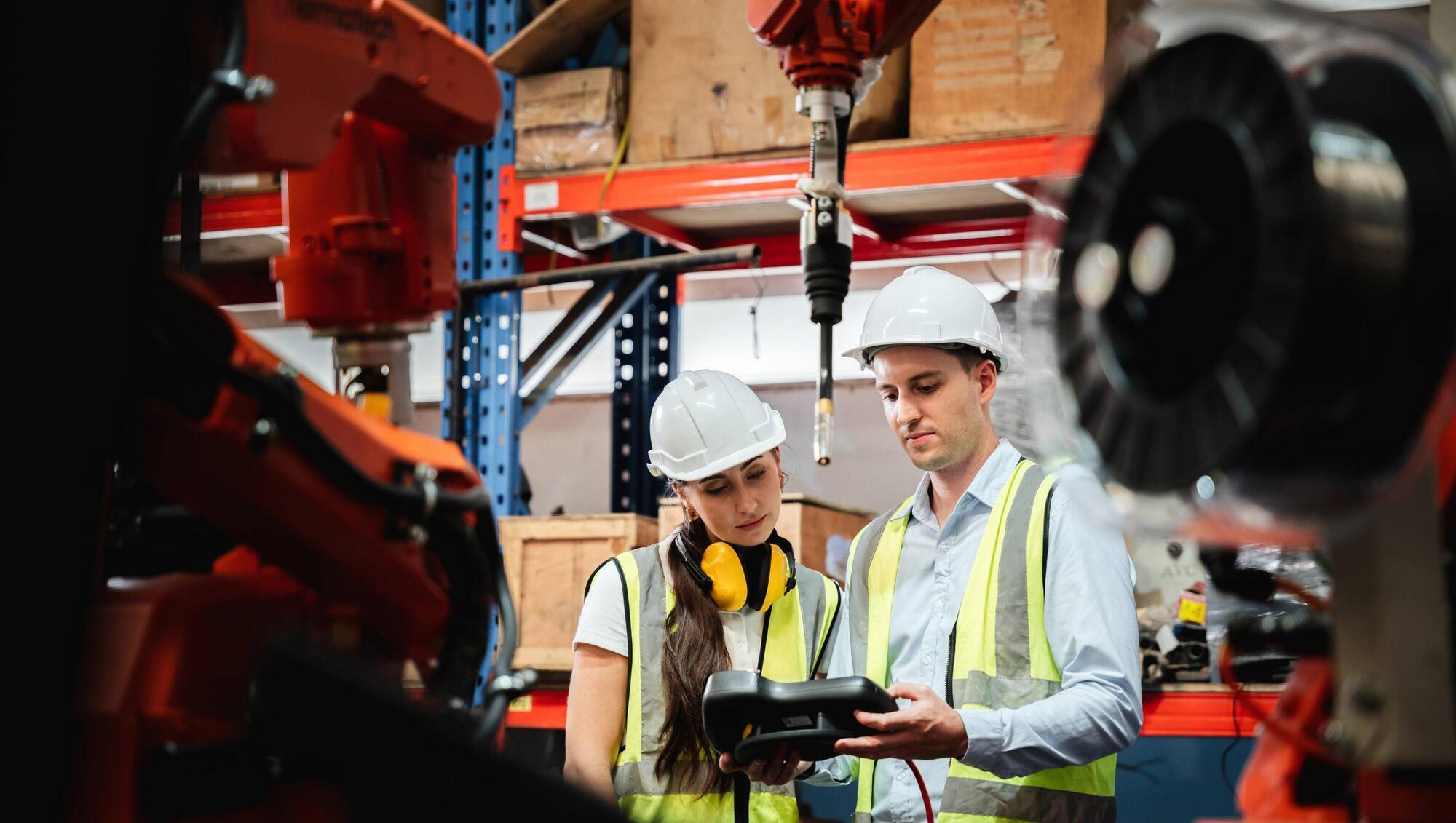
The latest AIB PMI also showed September recorded the sharpest rise in export orders for three months.
Output in the Irish manufacturing sector rose “rapidly” in September increasing to their highest levels since March 2022 along with sustained gains in new orders and employment, the latest AIB Purchasing Managers Index (PMI) shows.
The PMI reading for September stood at 55.5, a slight increase from the 55.4 recorded in August. The Irish manufacturing PMI remains above the flash readings for the eurozone and UK at 52.7 and 52.0, respectively; but below the US at 57.0.
The PMI reading is derived from indicators for new orders, output, employment, suppliers’ delivery times and stocks of purchases. Any figure greater than 50.0 indicates overall improvement of the sector.
AIB chief economist David McNamara said output rose “rapidly” in September — the highest levels since March 2022 with firms “citing continued robust order books”.
“This was also reflected in a sharp rise in new orders, and an acceleration in export orders growth.” The September data also pointed to improved demand from both domestic and overseas markets.
Read More
The PMI said that total new work expanded at a robust pace that was only slightly softer than the 52-month high seen in August.
“Despite reports of sales headwinds from elevated inflation and ongoing global economic uncertainty, the latest survey pointed to the sharpest rise in export orders for three months.”
Given the healthy demand environment, Mr McNamara said “employment expanded at a solid pace, as firms responded to rising workloads”. Additional staff hiring was mostly attributed to greater workloads and long-term business investment strategies.
“Purchasing activity continued to grow strongly, but manufacturers noted delivery time delays linked to a shortage of freight capacity and shipping. However, existing stocks grew for a seventh consecutive month, as firms maintained precautionary stockpiles,” Mr McNamara said.
Input inflation increased during the month but remained below the near four-year peak reached in May. Around 38% of firms reported a rise in their purchasing costs, while less than 1% signalled a reduction.
“Higher input charges were mainly linked to the impact of the Middle East conflict on fuel and transportation costs. With demand still robust, many firms were able to increase selling prices and protect margins, with output price inflation picking up in September,” Mr McNamara said.
As a result, output prices increased to a three-month high.
“Manufacturers often reported efforts to pass on higher fuel bills and raw material costs to clients. This contributed to a robust and accelerated pace of output charge inflation during September,” the PMI said.
In terms of firms’ outlook for the year ahead, Mr McNamara said it remains “broadly optimistic but did take a hit in September”.
“Around 38% predict an increase in output over the next year, down from 49% in August, while 11% forecast a reduction. Manufacturers cited global economic uncertainty as weighing on confidence,” he said.


CONNECT WITH US TODAY



Be the first to know the latest news and updates