Food industry and landowners face €10m fines under deforestation rules
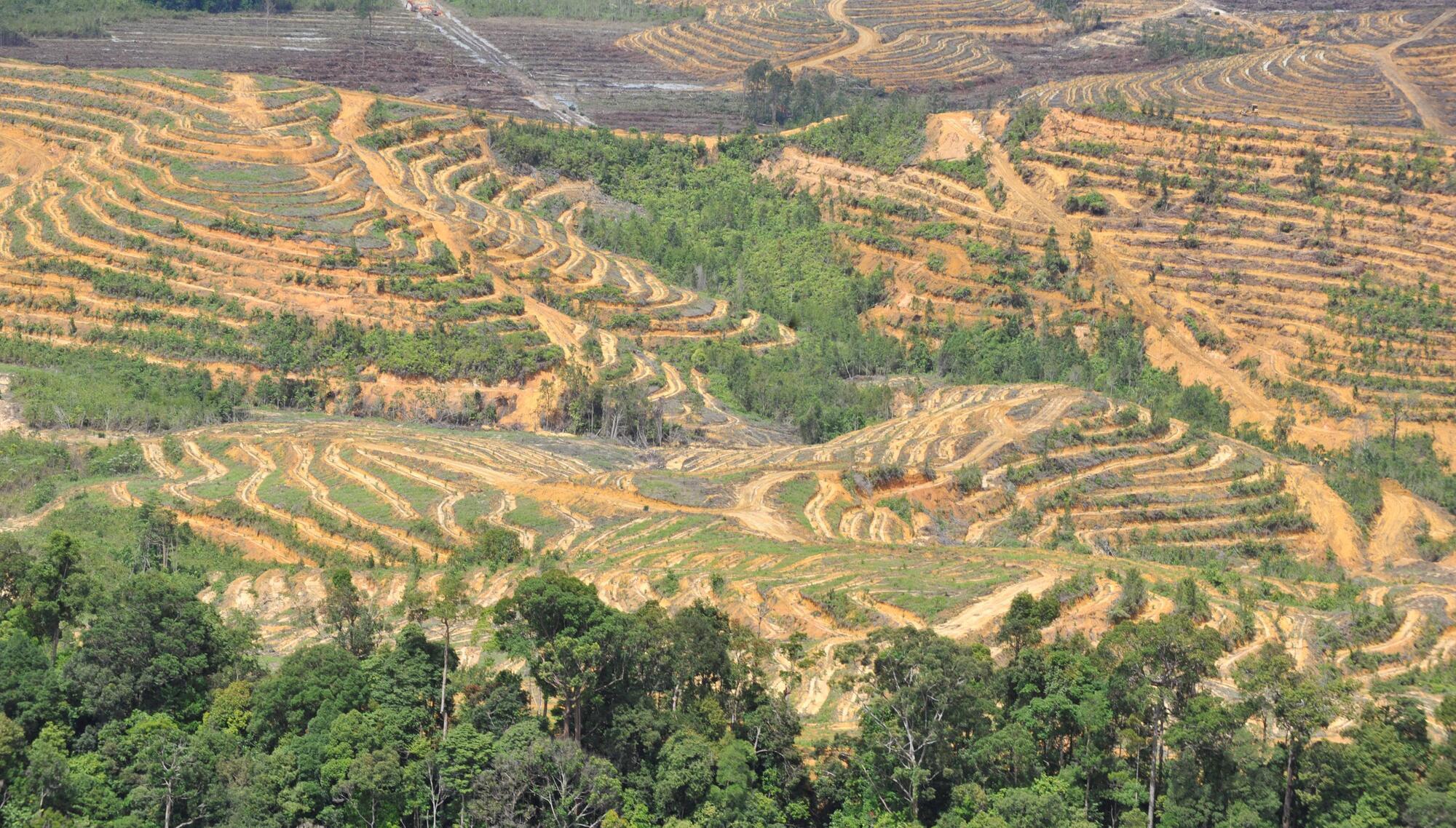
Rules prohibit certain products linked to deforestation from entering the EU market.
Transposing the EU Deforestation Regulation into Irish law will bring an extra layer of draconian laws hanging over the food industry, landowners, and others.
The proposed framework published by the Government reveals fines of up to €10m for breaches of the regulation, which prohibits certain commodities and products linked to deforestation or forest degradation from the EU market.
The commodities controlled by the EUDR are cattle, cocoa, coffee, oil palm, rubber, soya and wood, and their derived products.
However, the Minister for Agriculture, Food and the Marine may extend the scope of the regulation to cover other wooded land and natural ecosystems, including high-carbon and high-biodiversity land such as grasslands, peatlands and wetlands, in anticipation of the European Commission’s review of the EUDR’s coverage.
A central feature of the proposed framework is the creation of domestic criminal offences for non-compliance with EUDR obligations.
Also proposed are amendments to the Forestry Act 2014, to ensure domestic forestry operations are compatible with the EUDR.
Specific EUDR offences are proposed for failures by operators, downstream operators, traders and authorised representatives to meet their respective EUDR obligations, such as due diligence, due diligence statement submission, five-year record keeping, risk assessment and mitigation, annual system reviews, and public reporting.
Larger companies will have most to fear; there is a simplified regime for micro and small primary operators.
There will be provisions to allow third parties to raise compliance issues, with the identity of persons submitting such concerns to be hidden from disclosure.
According to an assessment by John Gaffney of Beauchamps, one of Ireland’s top full-service commercial law firms, the proposed EUDR penalty regime is robust.
On summary conviction, offenders face a class A fine, imprisonment of up to six months, or both. On conviction on indictment, penalties may include the greater of €10m, 4% of aggregate EU-wide turnover in the preceding financial year, or the economic benefit gained, together with imprisonment of up to three years.
Courts may also order forfeiture of products or revenues, temporary exclusion from public procurement and public funding, and prohibition from using simplified due diligence.
Corporate officers may be held personally liable where offences are committed with their consent, connivance or wilful neglect.
The Minister for Agriculture, Food and the Marine is designated as the EUDR competent authority, with power to prescribe additional competent authorities.
The Revenue Commissioners will have EUDR obligations in relation to customs controls.
Irish legislation will establish an authorised officer regime with broad powers to enter and inspect premises, require production of records, take samples, and seize and detain products or documentation. Compliance notices may require operators to take corrective action, detain or dispose of products, or restrict the movement of goods.
Appeals will be at the District Court level.
The EUDR compliance deadline for operators, downstream operators and traders that are not micro or small enterprises is December 30, 2026, with micro and small enterprises following on June 30, 2027.
Businesses dealing in the EUDR commodities and products are advised to review their supply chains, due diligence systems, and compliance procedures.
As the EUDR Bill which has been published by the Government goes through the five legislation stages in the Oireachtas, before it can be signed into law by the President, the draft legislation may be subject to amendment.
Meanwhile, at Irish farm level, it is likely to be the broader effect on EU trade of the EUDR that will be of greatest concern.
It is likely to reduce global availability of beef and wood for import into the EU, and of the huge soya imports needed for EU livestock.
According to the European Feed Manufacturers’ Federation (FEFAC), the EUDR joins severe drought and Black Sea trade disruption, squeezing the EU’s animal feed chain simultaneously.
FEFAC estimates the direct extra cost of EUDR-compliant soy for feed use at up to €1.05 billion, plus €449 million in costs for alternative high-protein ingredients.
FEFAC estimates this could translate into a direct cost impact of roughly €40 per tonne of pig meat, and €15 per tonne of poultry meat.

CONNECT WITH US TODAY



Be the first to know the latest news and updates