Alan Healy: The varied afterlife of Ireland's churches as one in Cork hits the market for €375k
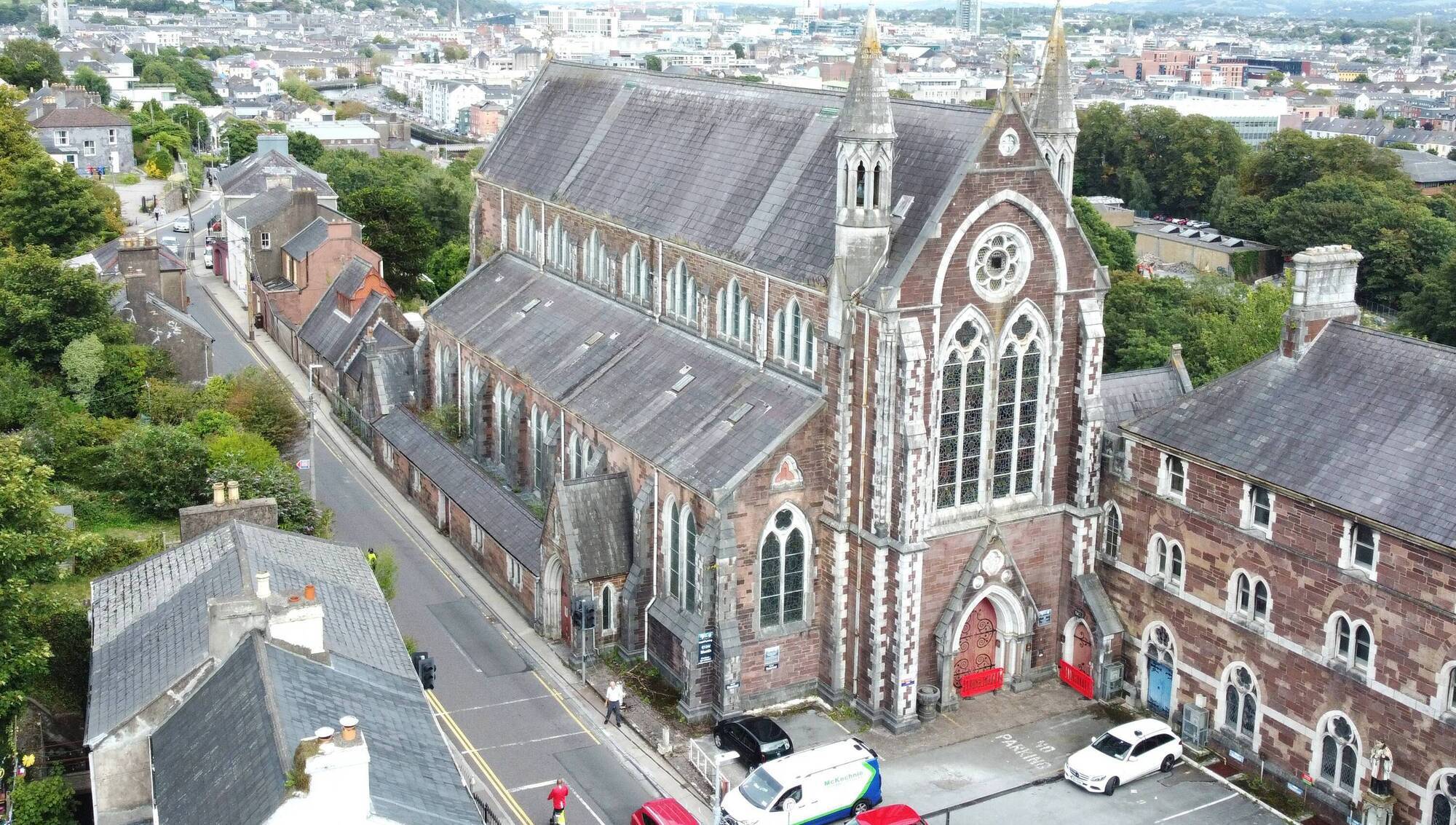
St Vincent's Church, Sunday's Well is back on the market, for sale for €375,000.
The report in the this week about St Vincent's in Sunday's Well going on sale for less than the price of a three-bed semi has highlighted a growing issue across the country. What to do with the growing number of churches dotting our cities and towns which are being closed and deconsecrated?
St Vincent's, overlooking the city above the North Mall, held its last Mass a decade ago, with the Vincentian Order putting it on sale for €750,000 in 2018. A protracted sale process has continued since then. University College Cork, which acquired the adjacent seminary buildings for its music department in 1999, withdrew from the sale process in May.
It now results in the Church going back on the market with the price slashed to just €375,000, a price which recognises the fact that the future buyer will be required to put substantial further funds into its upgrade.
St Vincent's is not alone. Churches in their various guises and under different orders have been closing at an increasing rate in recent years.
Their architecture, unique heritage and prominent locations have seen creative attempts in the past to reuse the buildings. Churches were often the first building that established settlements and villages that would grow to become our modern towns and cities. They often remain the dominant structures, sited on the highest ground, the widest street, or the sharpest corner a town has to offer. This is precisely what makes the question of their future so pressing now.
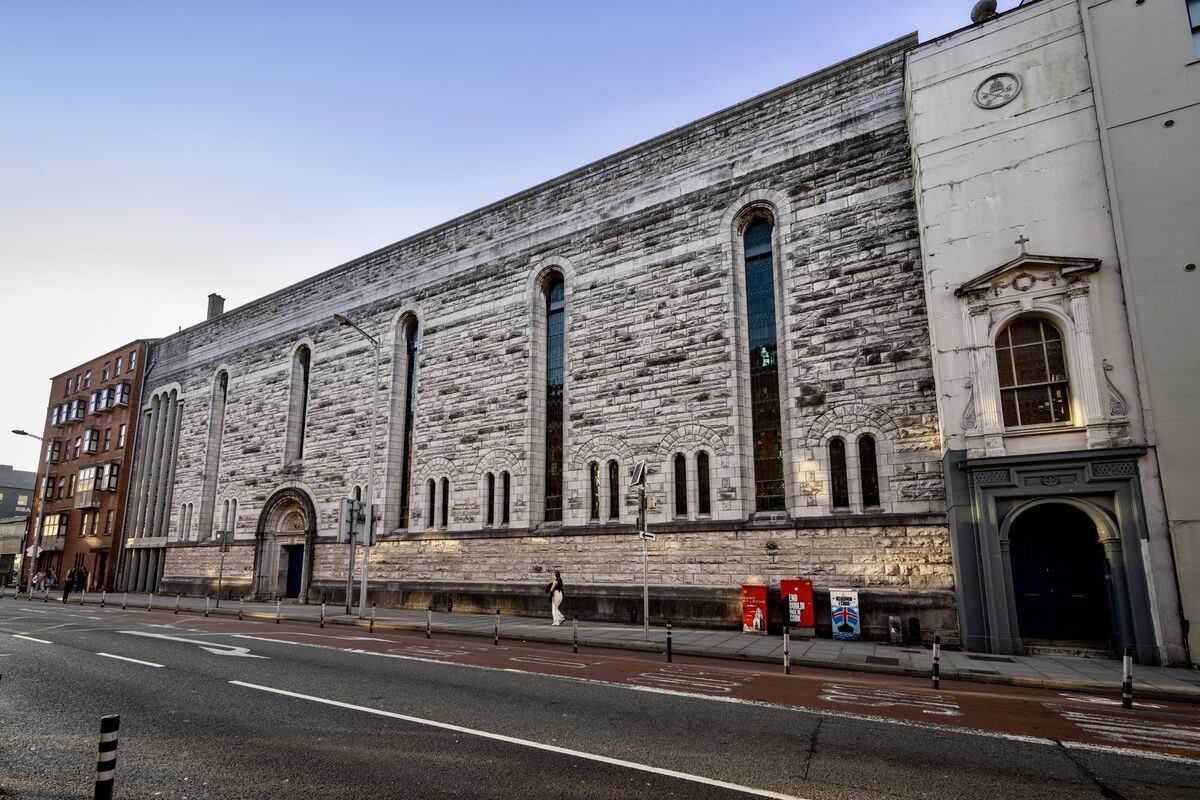
Cork city got a stark reminder of that this summer. St Augustine's, on the corner of Washington St and the Grand Parade, said its final Mass on July 12, closing the book on 755 years of Augustinian presence in the city dating back to the founding of the Red Abbey in the 13th century. Just three friars remained in Cork by the end; the order has around 70 left in the whole of Ireland, more than half of them over 80.
Read More
Fr Paddy O'Reilly, the order's vicar provincial, told the congregation that "negotiations are ongoing" for the building's future, and that, if all goes to plan, "there will [be] no bulldozers moving in here."
It is arguably Cork's most prominent city centre site, whose future use could dominate that part of the city for decades to come.
The closure of churches is not new, and their conversions have occurred repeatedly over the centuries. In Cork city, shoppers walk the aisles of a retail store in the former St Paul's church on Paul's Street, which closed in 1949 and take a rest outside amongst the headstones of its burial ground.
You can take in a live music performance at the former Christchurch, now part of the Triskel Arts Centre, or in St Luke's, both owned by Cork City Council. In the county, you can get a meal in Skibbereen at the aptly named Church Restaurant in the former Methodist place of worship. It's the same in Ballycotton, in the former St Colman's Church of Ireland, which now operates as a restaurant and live events venue. Smaller churches in more remote village locations have also been converted for residential purposes. And it's not just retail, homes and hospitality. Cork's Probation Service operates out of the former St Nicholas Church on Cove Street.
Earlier this year, Tipperary County Council granted planning permission to convert the former Methodist church in Clonmel into a restaurant.
The above list highlights the potential for these venues if they end their life as places of worship.
However, the potential for a growing number of churches to come up for sale within a relatively short space of time could create an issue of oversupply. There is unlikely to be enough investors, builders and developers with the deep pockets to acquire, upgrade and revitalise many of these buildings. The fear is that many could spend years remaining empty and falling into disrepair.
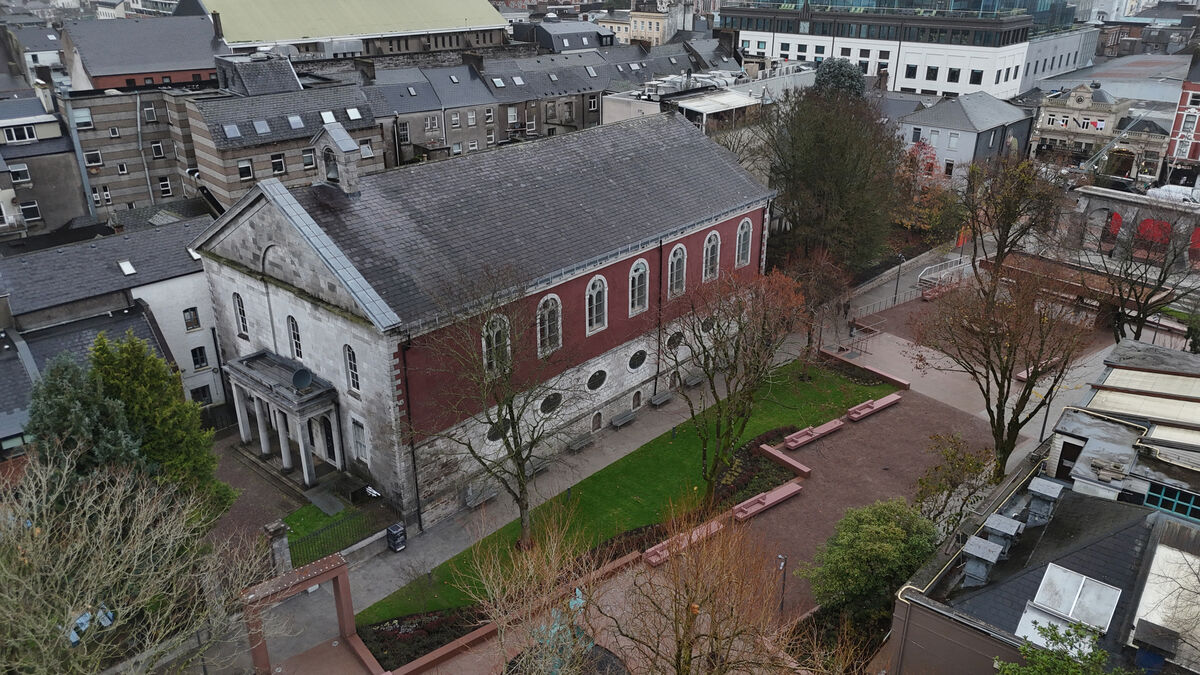
The aforementioned Cork City Council owns three former churches, with St Peter's on North Main Street in addition to St Luke's and Christchurch.
It is not an easy challenge to overcome. By their nature, virtually all churches are historic and are protected structures, which prevent them from being demolished.
The priority for each of these buildings should be to remain, in some form, a place of worship, which is the use they were built for, and the one that gave them their character in the first place. Where that isn't possible, Cork at least has a working precedent. In fits and starts, and over the better part of 40 years, the city has shown most of the ways a redundant church's story can end: as a concert venue, a restaurant, an office, a shop or new homes.
But if there is an acceleration, the challenge of finding sustainable new uses for them may become too large to be left to religious orders, local authorities and private developers acting alone. A national conversation, and perhaps a national strategy, is likely to become unavoidable.

CONNECT WITH US TODAY



Be the first to know the latest news and updates