Self-driving cars could be introduced on Irish roads in a controlled rollout, experts say
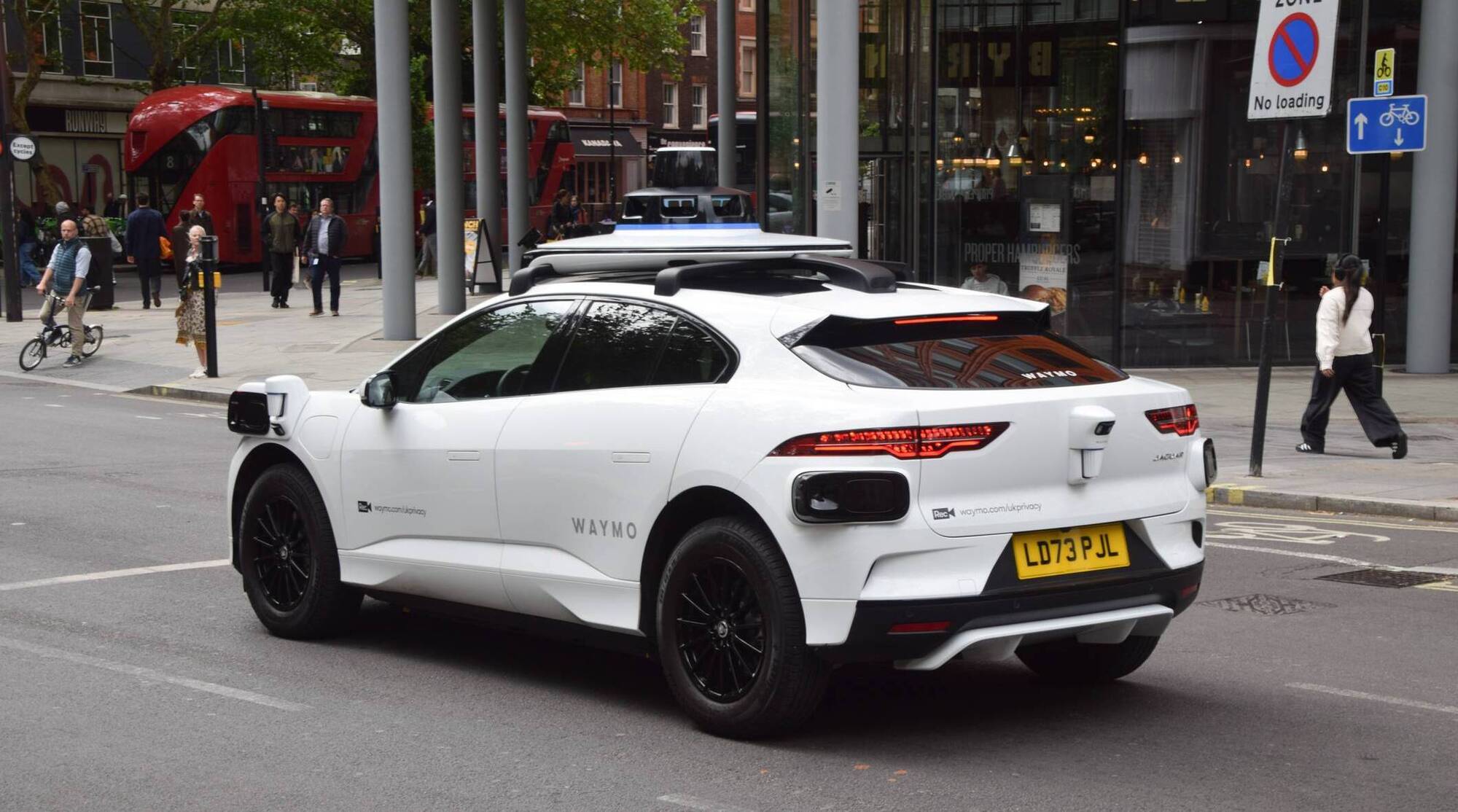
Waymo robotaxis are available in 11 US cities including Los Angeles, Orlando, and Dallas.
If you believe Elon Musk, the chief executive of Tesla, fully autonomous self-driving cars have been only a few years away for nearly a decade now, however, progress in the area has been very slow given the difficulty of the challenge it presents and the severe consequences that could result if something goes wrong.
In the US, companies have been working on the problem for years with some rolling out driverless taxi programmes across major cities such as Los Angeles, Dallas, and Heuston. Earlier this week, Uber said users could sign up for a chance to ride in London's first robotaxis as soon as regulators give the go-ahead for launch.
Uber said the cars will use technology from British start-up Wayve to drive themselves round the English capital's streets, but will initially have trained operators sitting behind the wheel monitoring the system.
In addition, Tesla has its supervised driver assistance software authorised in Belgium, the Netherlands, Lithuania, Estonia and Denmark. However, this is not a fully autonomous driving software that has long been promised by the US electric carmaker.
Tesla has also reportedly been in talks with the Irish Government to get its driver assistance software approved here.
Read More
Professor of electrical and electronic engineering at the University of Galway, Martin Glavin, who has for years been working on the technology that helps cars see better, said he believes autonomous vehicles should be allowed onto Irish roads in a controlled manner as the technology behind them is “very good” and getting better every day.
Prof. Glavin also works with the Connaught Automotive Research (CAR) Group, which is based out of the University of Galway and is affiliated with Lero, the Research Ireland Centre for Software. CAR is pursuing research areas of driver assist, driver comfort and wireless communication for the automotive environment.
“I really do believe that we need to allow these vehicles onto our roads in a controlled manner in order to allow them to learn and for the technology to develop.
“If we wait for perfect, it could be a long, long time,” he said.
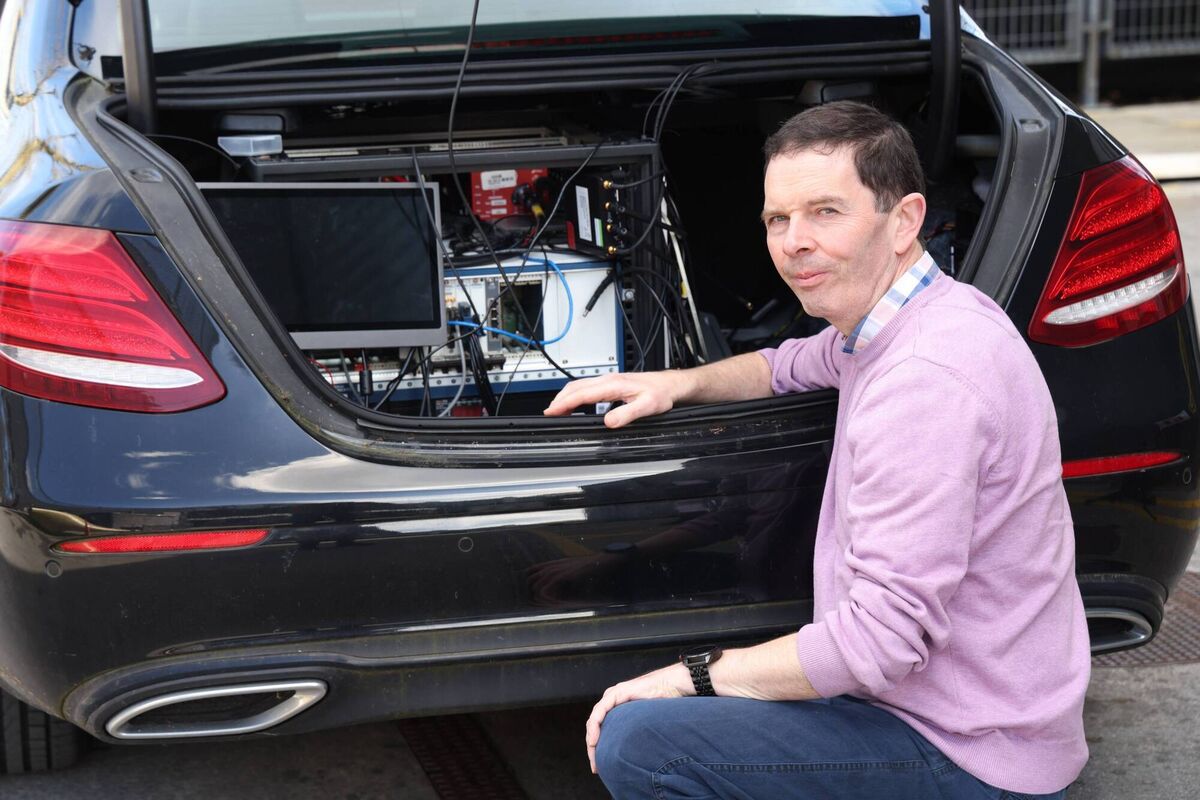
"I think our motorways are probably the place where the geo-fencing should happen first, because of the lower diversity of traffic, the fact that everybody's going more in the same direction, more or less the same speed. The rules for merging and overtaking, and all that, are pretty simple,” he said.
The Department of Transport is in the process of developing a national strategy in relation to connected and self-driving vehicles. In October last year, transport minister Darragh O’Brien said he expected the work to be complete during the first part of this year.
A spokesperson for the Department of Transport said work on the national strategy is “well advanced” and “I expect to receive a draft for review and approval to publish shortly after the summer break”.
“The strategy will seek to provide a framework for the safe introduction of connected and automated vehicle (CAV) technologies and to bring transport benefits in terms of road safety, accessibility and innovations in public transport.”
Prof. Glavin said his work is focused particularly on how the technologies that underpin autonomous cars manage in the range of environments that can be experienced in Ireland.
He said the roll-out of autonomous cars in the US is somewhat easier compared to the different conditions faced here in Ireland.
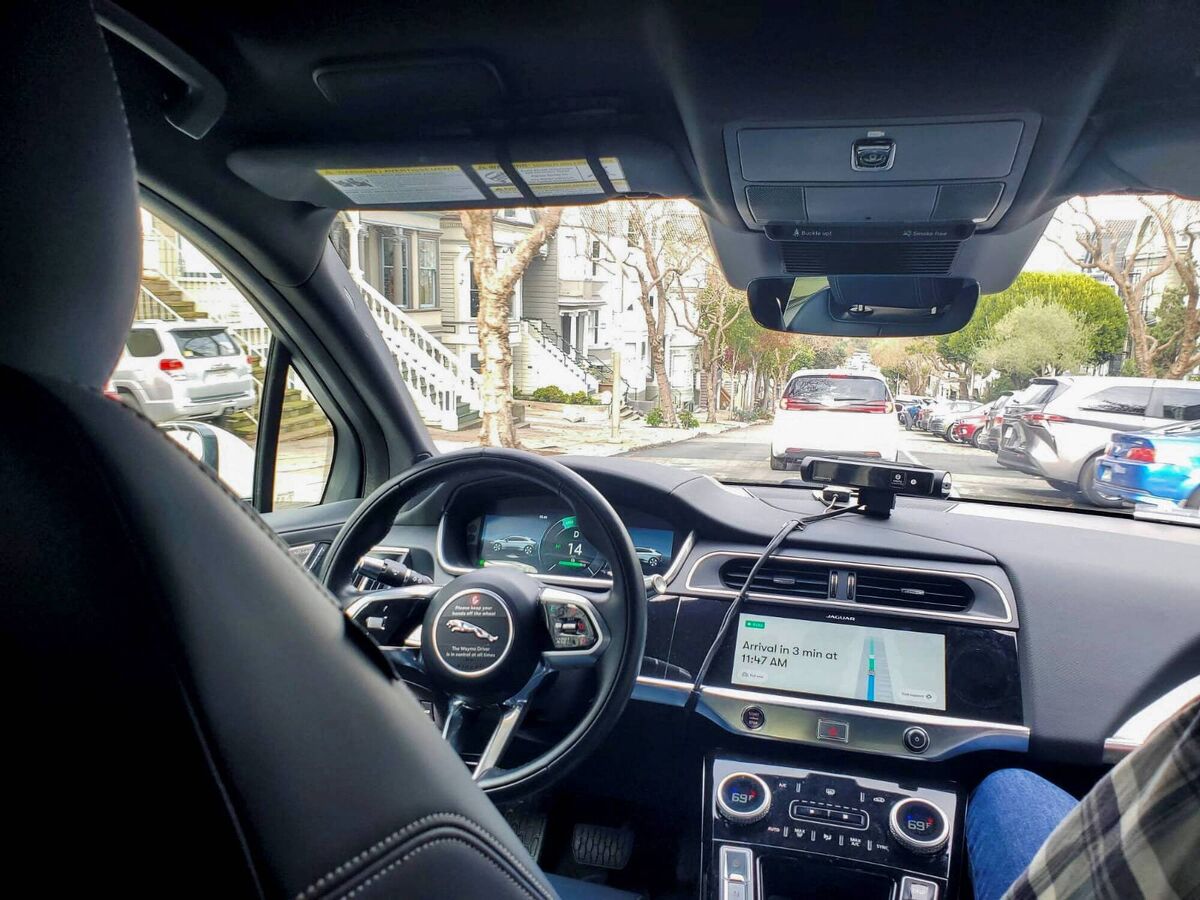
“The roll-out in the likes of American cities, where they have kind of orderly grid systems for their roads. The roll-out on motorways, where the rules are very clear, road markings are very clear, road signage is very clear. Lanes are maintained. You don't have the diversity of vehicles or the diversity of speeds,” he said.
There are a number of companies in the US operating near fully autonomous taxi services in a number of US cities. These include Waymo, owned by Google, Zoox, owned by Amazon, and Tesla.
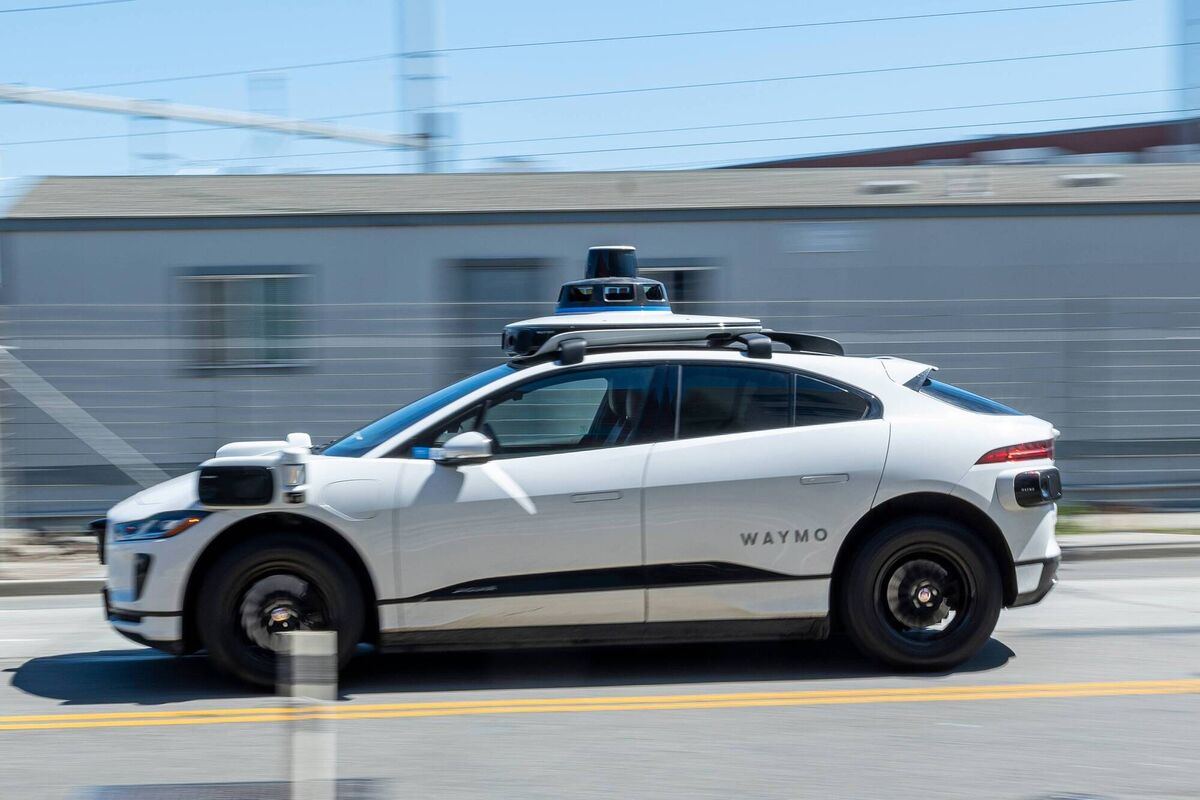
Waymo, for example, is available in 11 US cities including Los Angeles, Orlando, and Dallas. The company is aiming for roll-out across a further 21 US cities. Zoox is currently live in Las Vegas and San Francisco.
Tesla has been operating its robotaxis in Dallas, Heuston, and Austin. Tesla, and Mr Musk, have long promised full autonomous driving will be coming to their vehicles but it has since been long delayed and the company has seemingly squandered its advantage in this area.
In 2016, Mr Musk said his company was less than two years away. In 2019, he promised fully autonomous Tesla robotaxis by the next year.
In May last year, he promised there would be 1,000 robotaxis available within a few months. In January this year, Mr Musk announced plans to expand the service to five other US cities by the end of the first half of this year — which still hasn’t happened.
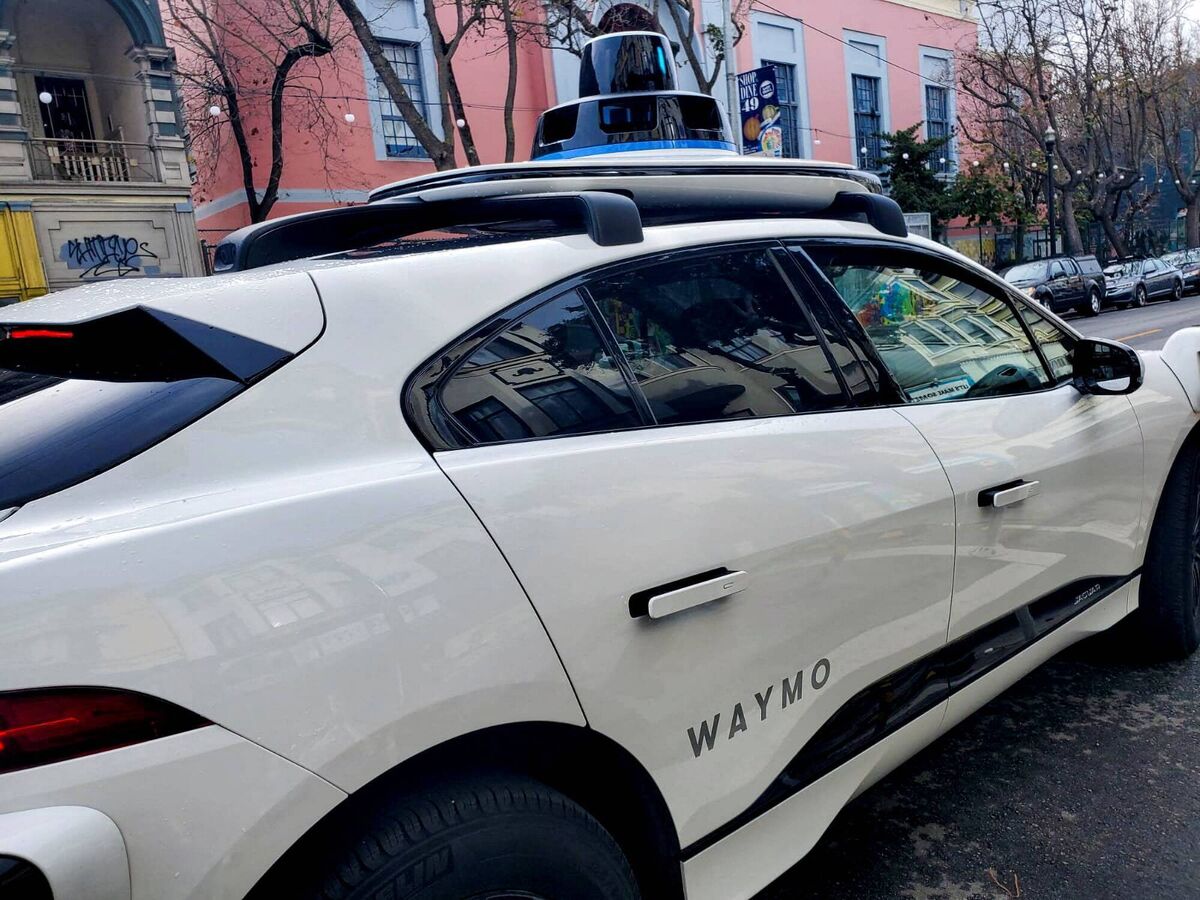
As of this week, Tesla has reportedly just 59 vehicles in its entire robotaxi fleet across the three Texas cities. Waymo, on the other hand, has more than 600 registered in Texas alone.
The scale of the challenge of full-autonomous driving is immense and the consequences for getting something wrong can be disastrous.
For example, Cruise was an autonomous-vehicle business owned by General Motors Co until one of its vehicles struck and injured a pedestrian in California in 2023. This led to investigations and the eventual suspension of the company’s operating permit.
Cruises' robotaxi business was eventually shut down.
According to SAE International, a global association that sets standards for the automotive, aerospace, and other such industries, there are six levels of driving automation starting with level zero — which is no driving automation — all the way up to level five which is full driving automation.
Google’s Waymo, for example, operates on level four, or high driving automation, which means human interaction is not required in most circumstances but someone still has the option to manually override the vehicle.
In March, a statutory instrument was signed by the Irish Government to allow level two connected and autonomous vehicles to operate on Irish roads. Level two vehicles have partial driving automation.
The move allows vehicles equipped with advanced driver assistance systems — where the driver remains fully responsible but can, in certain limited circumstances, remove their hands from the wheel — to be lawfully used in Ireland.
The department spokesperson added that Ireland is “progressing on for level three and four”.
“A vehicle testing framework, including legislation, is being developed for Ireland in support of a range of use cases including the EU automotive industrial action plan. Ireland is also engaging with EU initiatives including the development of automated vehicle testbeds across member states,” they added.
In Ireland, Prof. Glavin said the motorways, as well as the primary national routes and some of the secondary routes, should be relatively straightforward for autonomous cars but “when you go a little bit more off those main routes, that's when the real challenges start to appear”.
Taking a car down a narrow country lane that's barely the width of one vehicle is a “very different experience” and “one of the biggest challenges that will be encountered by the likes of these vehicles in Ireland,” he said.
Adding on top of this Ireland’s weather also presents a number of issues. The level of rain experienced here can present challenges to sensors as well as make camera lenses blurry.
“We have a long period of twilight, rising and setting sun puts the sun at the horizon, when the traffic densities are at their highest, it's the most difficult to see on the road in the morning and the evening.

"You combine all those factors together, the low setting sun, with maybe poor light, with a lot of rain, maybe wind, where everything is in motion, presents a lot of challenges to autonomous vehicles.”
"There are lots of censors that can reach out and touch the environment. It's just that the environment itself can be unpredictable, and things don't always behave in the way they should around the road,” he said, adding that these systems would also have to potentially react quickly to pedestrians, cyclists, children, and other objects flowing in front of the vehicle.
While Prof. Glavin supports the controlled introduction of these vehicles onto Irish roads, he is concerned that there is no set standard for safety rating these vehicles and he believes there should be some kind of European New Car Assessment Programme (Euro NCAP) programme set up to test the safety of these systems.
"We kind of have to take the company's word for it that their system is good enough, and we have to kind of, in some way, bet our life on their assurance that our system is going to keep us safe,” he said.
"I really think there should be some work done on trying to set up some standards, or some standardised tests, or some form of regulation of the area.”
The scale of the challenge of self-driving cars is immense given how dynamic the road environment can be. Getting it wrong can also carry with it incredible consequences.
"We've been talking about this for so long, and the nearer we get to full automation, the further away it seems to be,” Prof. Glavin said.
"People think that the autonomous cars on the road kind of sound simple, you just detect stuff and then you decide what the position of the accelerator and the steering wheel are, but the road is a very diverse and constantly changing place, so it's a very, very tough technical challenge.”
- Additional reporting Bloomberg and Reuters.

CONNECT WITH US TODAY



Be the first to know the latest news and updates