South-West 'primed' to lead on renewables
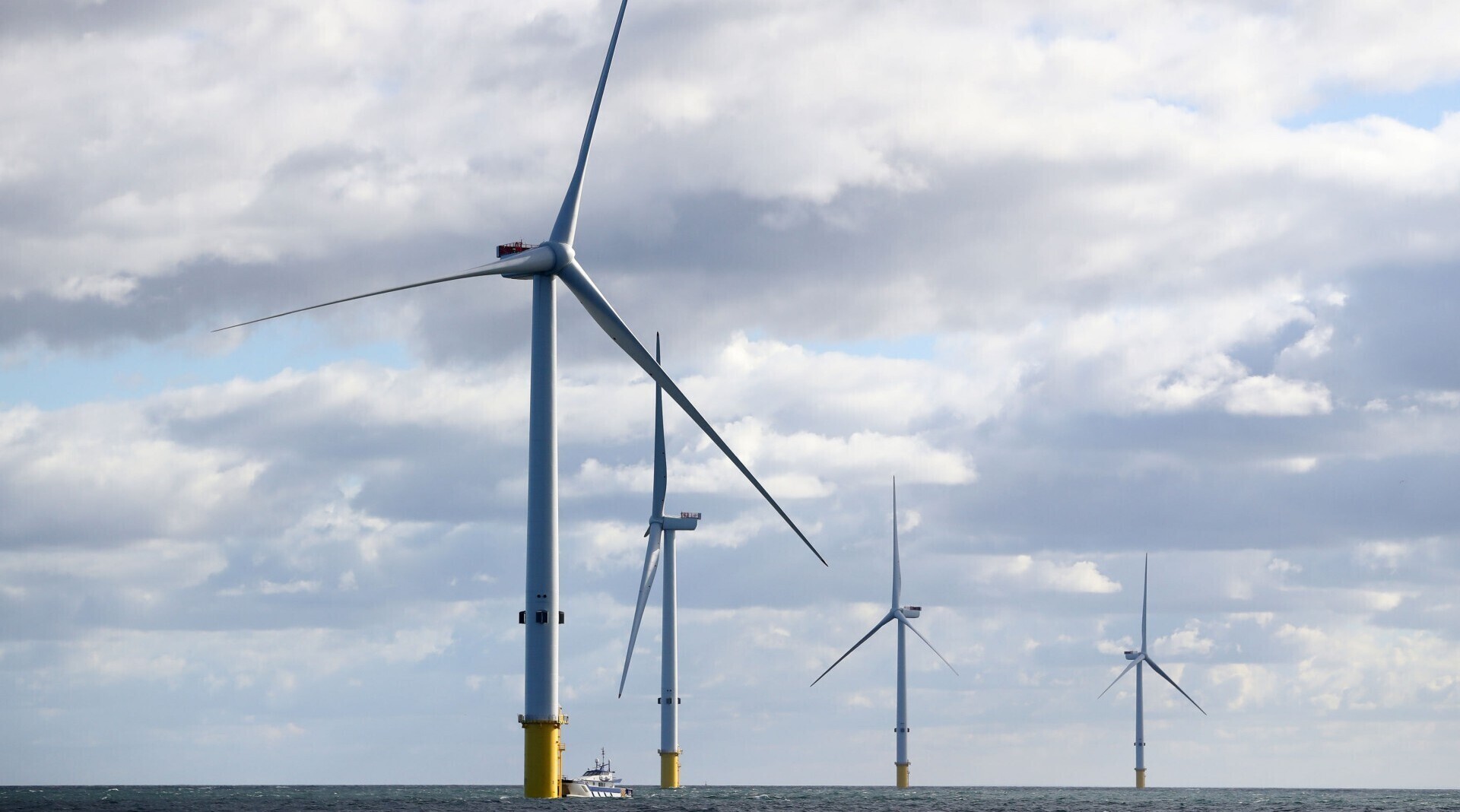
Cork is home to 12% of the country's wind power generation capacity while Kerry accounts for 13%.
The south-west of the country is “primed to lead” Ireland’s renewable energy generation development but is in need of critical infrastructure development including investment in ports for off-shore wind generation as well as enhancements to the grid to expand renewables generation, a new report by consultancy firm KPMG has said.
The report points out that Cork supplies 25% of national energy demand and is home to roughly 20% of Ireland’s installed electricity generation capacity. It also has around 12% of the country's installed wind generation capacity and over 50 solar farms have been granted planning in recent years.
Kerry, in addition, accounts for around 13% of national wind generation. In May 2025, Kerry provided 82GWh of zero carbon renewable electricity, the most of any county in Ireland.
Partner at KPMG Barrie O’Connell said the south-west of the country is “primed to lead Ireland’s renewable energy generation development”.
Read More
“Unlocking this potential requires an integrated approach. The availability of 388 hectares of zoned Special Policy Area in the Cork Harbour Whitegate area can enable delivery of major energy-related developments, while extended port infrastructure will create greater offshore wind developments,” he said.
“Ensuring continued investment in the region is paramount in the growth of the region,” Mr O’Connell added.
The report also advises auctioning off remaining offshore wind sites off the south coast to grow Ireland’s offshore renewable energy industry.
In terms of climate risk, the report said that the South-West is one of the most exposed regions to the impact of climate change with estimates indicating that up to 21,800 households across Cork and Kerry are at risk flooding under a mid-range future climate change scenario.
Effective response to climate change requires a dual focus on adaptation and mitigation. Resilience in the South-West will be built through an integrated pipeline of "place-based, infrastructure-led and nature-based projects that reduce climate risk and facilitate the low-carbon future".
Global head for renewable energy, climate and decarbonisation at KPMG, Mike Hayes, said pre-emptive resilience assessment and funding are “critical priorities” for the South-West as it looks to 2040.
“International best practice requires that no major infrastructure proceeds without a robust assessment of climate risk; getting decisions right at the outset is the most effective form of long-term protection.”
“Mobilising private capital at scale will be essential to deliver adaptation and mitigation. This includes exploring targeted tax incentives to attract corporate investment and developing strong public-private partnerships.”
Among the other recommendations contained in the report are developing an AI‑ and cyber‑ready workforce, establishing research hubs that bring together industry, academia and public stakeholders, and establishing a formal employer-led Cork talent and skills council.
The report said that the region is entering a “pivotal phase” and “decisive action” is required to retain the South-West’s competitive advantage.
“The macro trends shaping our world are already influencing and changing how business invests, where people choose to live and which regions will thrive or fall behind.
"The South-West must continue to be proactive, agitate and position for appropriate investment to respond to these global trends,” the report said.

A collection of the latest business articles and business analysis from Cork.
CONNECT WITH US TODAY



Be the first to know the latest news and updates