Higher EU inflation 'biggest' monetary risk for Ireland
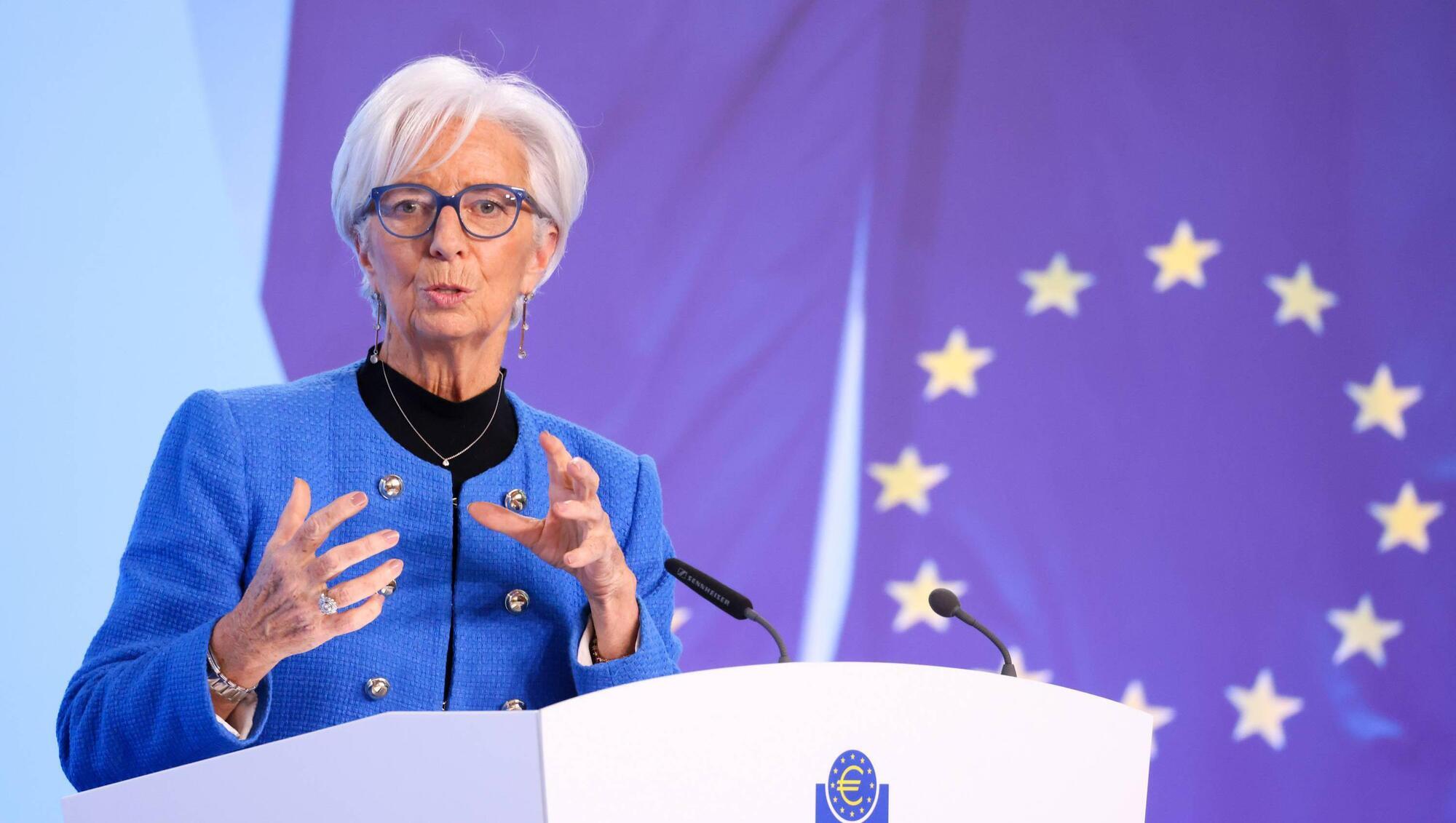
European Central Bank is due to meet next week to discuss interest rates in the wake of the energy price shock caused by the war in Iran.
The “biggest monetary risk” facing Ireland is not high inflation at home but rather high inflation across the rest of the eurozone, which could force the European Central Bank (ECB) to raise interest rates, eroding household disposable income and “dampen consumption”, KPMG has warned.
This comes amid the ongoing conflict in the Middle East which has severely impacted oil and gas markets, and which has already led to higher levels of inflation. Eurozone annual inflation was 2.6% in March, while inflation in Ireland was higher at 3.6%.
However, given a resolution to the war has still not been reached, and the damage already done to infrastructure in the region, higher energy prices are expected to last, which will continue to feed through the rest of the EU economy.
According to KPMG Ireland’s Spring Economic Outlook, the Irish economy continues to grow and outperform many European peers, but the conflict in the Middle East has generated “significant supply chain shocks and energy price volatility”.
Economic growth in Ireland for the whole of 2026 may be in the range 2%-2.5%, down from an expectation of growth from 2.5%-3% at the start of the year.
KPMG said there had been renewed energy and input costs pressures in Europe and UK, but prices could accelerate further later this year.
“If that occurs, markets may be forced to reassess expectations of interest rate cuts — or even price in renewed tightening,” KPMG said.
Head economist at KPMG Ireland Daragh McGreal said the “biggest monetary risk for Ireland right now is not high inflation at home, but higher inflation in Europe”.
The ECB is due to meet next week to discuss interest rates. KPMG said a 0.5% increase in interest rates means an average new first-time buyer could expect annual repayments to be €1,200 higher.
On energy costs, KPMG said despite energy inflation having eased from its 2022–2023 peak, energy prices remain significantly above pre-pandemic levels, and energy costs continue to influence transport, construction and service prices.
Mr McGreal said Ireland was “particularly” exposed to global and European energy price movements and as a “price taker” with limited storage capacity and high import dependence, changes in wholesale gas and electricity prices “feed rapidly into domestic costs for households and businesses”.
“As of mid-April, energy prices are at 0.17/kWh, the highest in Europe,” he said, adding while Government supports help with the energy price shock, “they do not remove the exposure”.
“Sustained volatility feeds directly into costs, competitiveness, and inflation expectations. Higher energy prices are a significant threat to growth in Ireland’s domestic economy in particular,” he said.
KPMG said there were reasons to be optimistic in that Ireland is expected to outperform much of the eurozone this year, with construction “booming”, robust exports, and healthy public finances.
“Ireland remains well-positioned — but resilience is not automatic,” Mc Greal said.
“The next phase of growth will depend less on favourable global conditions and more on how effectively we manage opportunity at home.”

CONNECT WITH US TODAY



Be the first to know the latest news and updates