No more mini shampoos: Irish hotels shift to personalise the experience for guests
Hotels must prioritise sustainability, seamless tech, local flair and flexibility to meet rising expectations from modern, well-travelled guests
No more mini shampoos: Irish hotels shift to personalise the experience for guests

Spaces to relax are becoming increasingly important for hotel guests, whether on business or pleasure. File picture

There are lots of passing fads in the hotel industry, but some trends stand the test of time as they are genuinely valued by customers. So, which ones are important going into the future?

Sustainable travel has been a trend over the last number of years. What’s clear is that hotel clients do not just want lip service paid by providers; they want to see actions and evidence in this area.

Those small shampoo bottles are replaced by large refillable containers in the shower, glass water bottles in the bedroom that you fill from a special dispensing unit in the corridor nearby, along with sustainability credentials that are independently assessed and displayed within the hotel and on the hotel’s website. 

Water conservation, the use of solar power, local and ethical sourcing and the elimination of single-use plastics are all things that today’s hotel guests will look out for as signs that a property is taking its role in sustainability seriously.

Technology, particularly artificial intelligence (AI), is important in creating a smoother guest journey, but clients don’t want it to be complicated, and so it needs to be user-friendly. 

It’s great for a customer to be able to dim the bedroom lights or close the curtains at the touch of a button — if it works every time. 

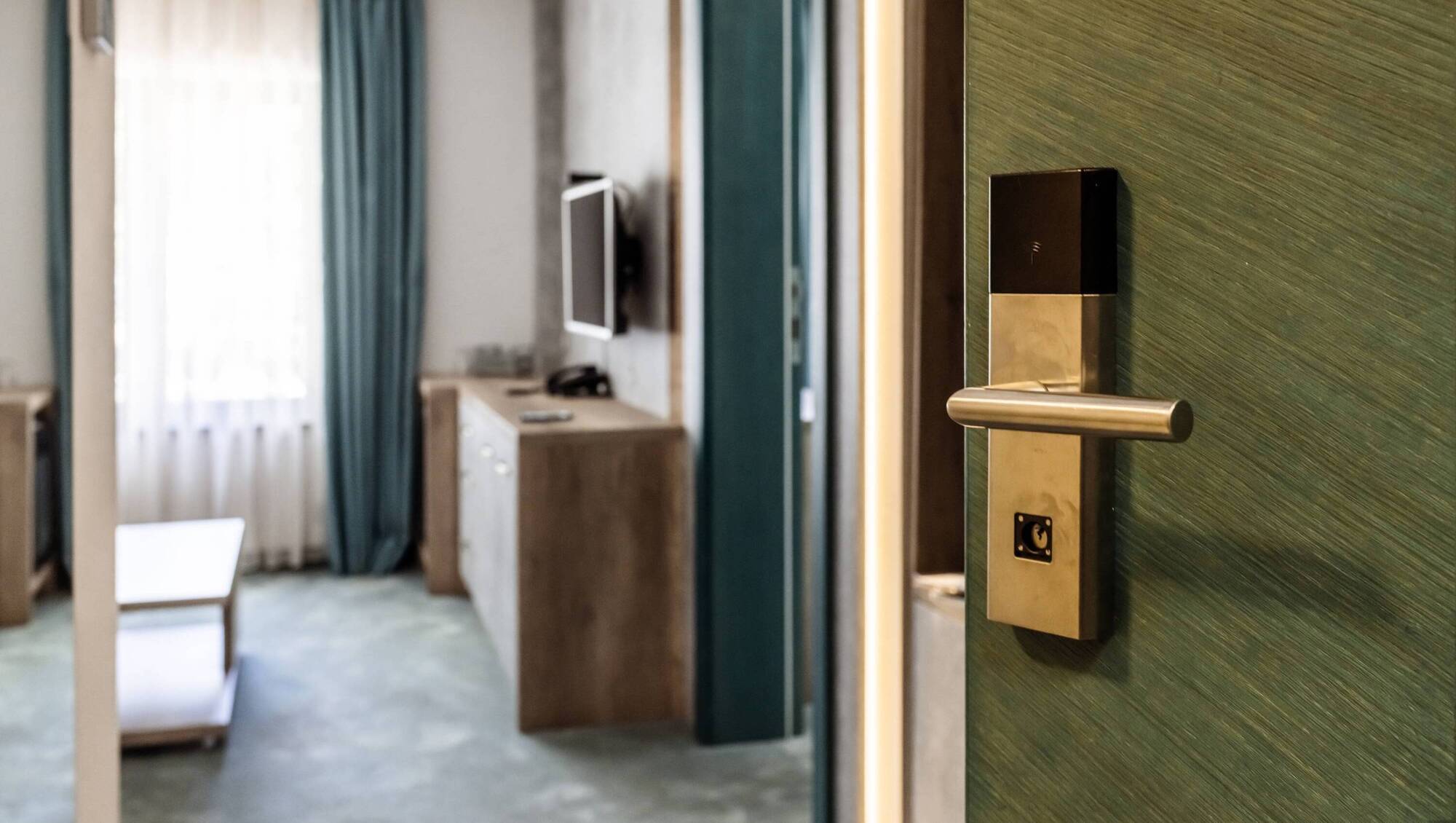
As hotels integrate more smart technologies, such as the AI-Concierge, automated check-in, phone-operated door locks, voice-activated controls and even robotics, the technology still needs to be user-friendly.

Personalisation is at the heart of any hotel experience these days. 

With the advent of AI, some feared this would mean the end to personalised service; however, technology is increasingly being used to provide bespoke service to customers through the formulation of individualised itineraries, customised room preferences and services and tailored recommendations, along with the recognition of frequent customers.

The need for greater flexibility was highlighted during the pandemic, and this trend has continued with clients seeking flexible booking policies that can be easily changed, if necessary, without financial penalty.

In many cases, guests spend most of the time in a hotel in the bedroom, so hotels need to ensure that it is comfortable and exudes relaxation. 

Beds, pillows and towels need to meet or exceed comfort requirements, and blackout curtains need to be in place to provide the perfect night’s sleep. 

Pillow menus and preferred room types can be offered to provide that bespoke and memorable experience to further enhance guests’ stays. 

Using technology, the guests’ ideal room temperature can be set in advance, leading to a more relaxing visit.

Avoid the 'cookie-cutter' type of premises

Hotels need to show their individual personality. Although guests seek consistency, they shy away from the “cookie-cutter” type hotel where you cannot tell if you are in Dublin, Dusseldorf or Dallas. 

Hotels need to let their individuality shine through, connect with their local area through design or artwork and allow for communal spaces where individual travellers can interact with others, whether through the provision of hot desks in the lobby or well-designed communal food and beverage spaces.

Spaces to relax are becoming increasingly important – even for the traveller attending a conference or staying while on business. ‘Bleisure’ travel is becoming increasingly important, with guests combining both business and leisure travel in one stay. Hotels should provide some free bikes to explore the area (a choice between regular and electric is appreciated), jogging trails and walking maps, saunas, pools and other spa experiences.

Dr Donagh Davern.
Dr Donagh Davern.

Remember that guests will focus on how a hotel made them feel and that the entire guest journey goes from their initial contact with the hotel through booking, down to their departure and even the email correspondence sent to them post-departure. 

Hotels need to stand out in a crowded marketplace and be more than just a bedroom, offering unique and memorable spaces and constantly being aware of important trends that today’s well-travelled, tech-savvy and environmentally aware customer wants to experience as part of their overall hotel experience.

Dr Donagh Davern is a former hotel general manager and a lecturer in hospitality management at MTU

More in this section

The Business Hub

Newsletter

News and analysis on business, money and jobs from Munster and beyond by our expert team of business writers.

Cookie Policy Privacy Policy Brand Safety FAQ Help Contact Us Terms and Conditions

© Examiner Echo Group Limited