Global interest rates remain in limbo
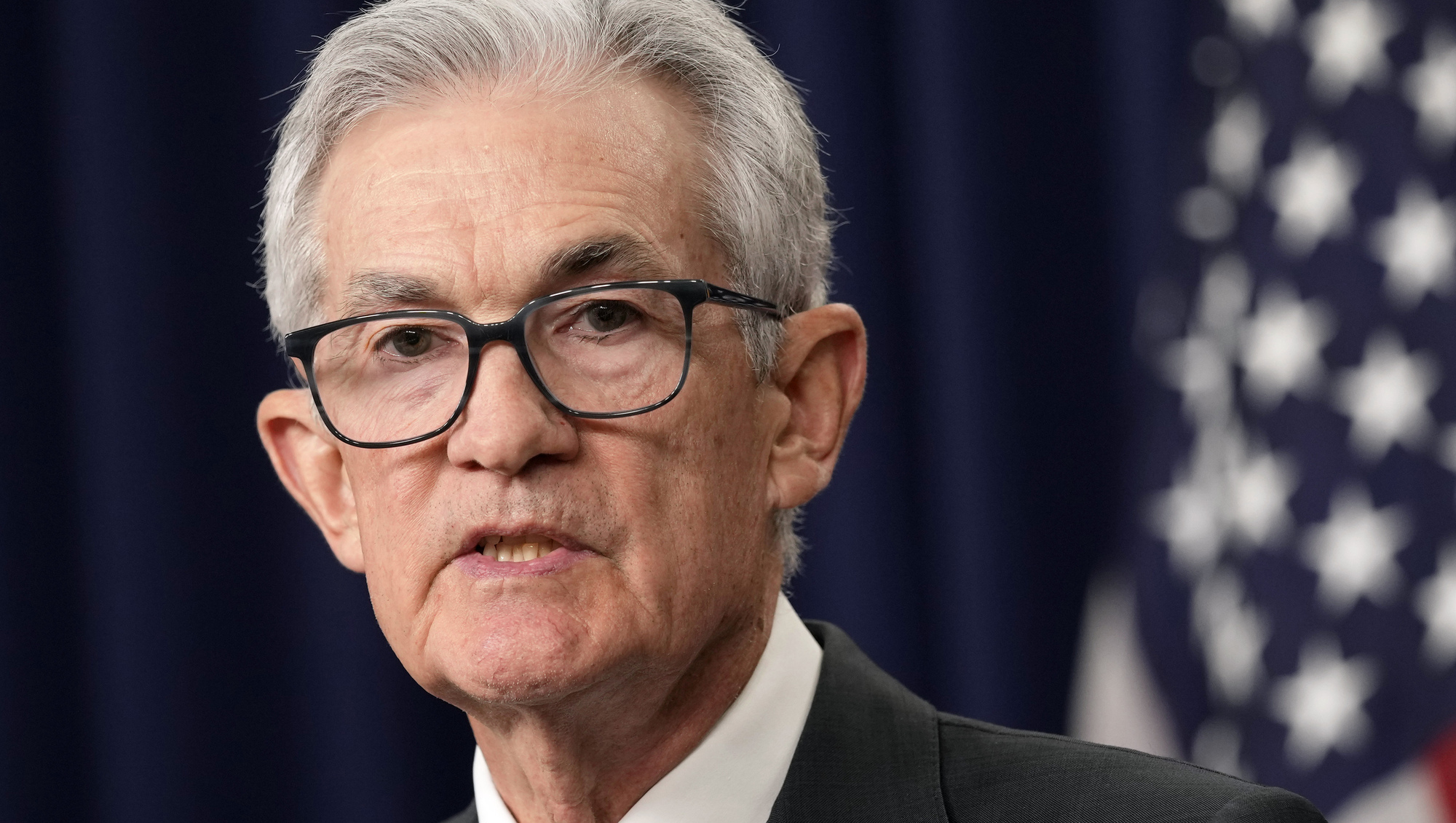
Federal Reserve Board chair Jerome Powell is to announce on Wednesday whether the board has decided to cut US interest rates.
Multiple central banks are set to keep interest rates frozen in the coming week while continuing to gauge the impact of trade disruptions instigated by US president Donald Trump.
From Washington to London, wary officials in countries that account for two-fifths of the global economy may display a collective sense of paralysis as they assess risks to inflation and growth from tariffs and stop-start commerce flows.
Renewed tensions in the Middle East will only add to their conundrum.
Their challenge was articulated on June 3 by the Paris-based OECD, which cut forecasts for global economic expansion while warning that protectionism is adding to consumer-price pressures.
The toll that trade tensions are taking on world prosperity is likely to feature as the Group of Seven Leaders meet in Canada.
Investors will focus most on the Federal Reserve decision on Wednesday, the eve of Trump’s 150th day in power.
Observers reckon officials there are still months away from being able to make a settled judgment on the implications of White House policy on the economy.
The Bank of Japan, meanwhile, may hold off on a rate move while adjusting bond purchases, and counterparts in the UK and Norway are seen following suit with unchanged borrowing costs.
In all, central banks responsible for six of the 10 most-traded currencies in the world are set for decisions.
Among them, only those in Sweden and Switzerland are anticipated by economists to tweak rates, with small cuts predicted for each.
Peers in Brazil, Chile, Indonesia, and Turkey may also deliver no change as policymakers digest domestic developments and international events.
The European Central Bank (ECB) is not due to meet again to discuss interest rate cuts until July 23.

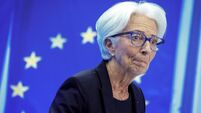
However, a number of eurozone central bankers will make appearances during the week including the Bundesbank chief on Monday, an event in Milan featuring as many as six governing council members on Wednesday, and an address by ECB president Christine Lagarde to a Ukrainian central bank conference on Thursday.
The Bank of England will announce its rate decision at noon London time on Thursday, the day after UK inflation figures are released.
A vote to hold policy at 4.25% is widely expected, despite signs that UK tax increases and US tariffs are weighing on growth and causing job cuts.
Elsewhere, a flurry of Chinese economic data, UK inflation, and several speeches by ECB officials might draw attention in one of the more packed weeks of the year so far.
US economic data in the holiday-shortened week include the latest readout of consumer demand.
Economists project a decline in May retail sales, primarily due to fewer motor vehicle purchases.
Excluding autos and gasoline, however, Tuesday’s report is likely to show sales firmed after a soft start to the second quarter.
Concerns have been building that flagging consumer sentiment will translate into a sustained pullback in household demand.
Also on tap are reports on May housing starts and industrial production.
The Fed’s production report on Tuesday is seen showing a second month of declining manufacturing output, as factories contend with uncertainty stemming from trade policy.
Economists forecast figures on Wednesday will show little change in new residential construction, consistent with a sluggish housing market that’s battling various headwinds, including high borrowing costs.
The Bank of Canada’s summary of deliberations will offer new insight into how policymakers are thinking about the future rate path, after they held borrowing costs steady while telegraphing that a cut may be needed if the economy weakens and inflation is contained.
The Chinese government on Monday is set to release a slew of figures on its economy including home prices, retail sales, industrial production, foreign direct investment, and the jobless rate.
Economists expect that retail sales slowed in May from the prior month, industrial activity held up as companies frontloaded manufacturing, and property investment contracted once again.
Japan starts releasing a number of important insights on Wednesday, including exports that likely contracted in May — the same for machine orders, as US tariff policy weighed on demand. National consumer prices likely strengthened in the month on a core basis in data due on Friday.
CONNECT WITH US TODAY



Be the first to know the latest news and updates