ECB to cut rates but stay guarded on path beyond
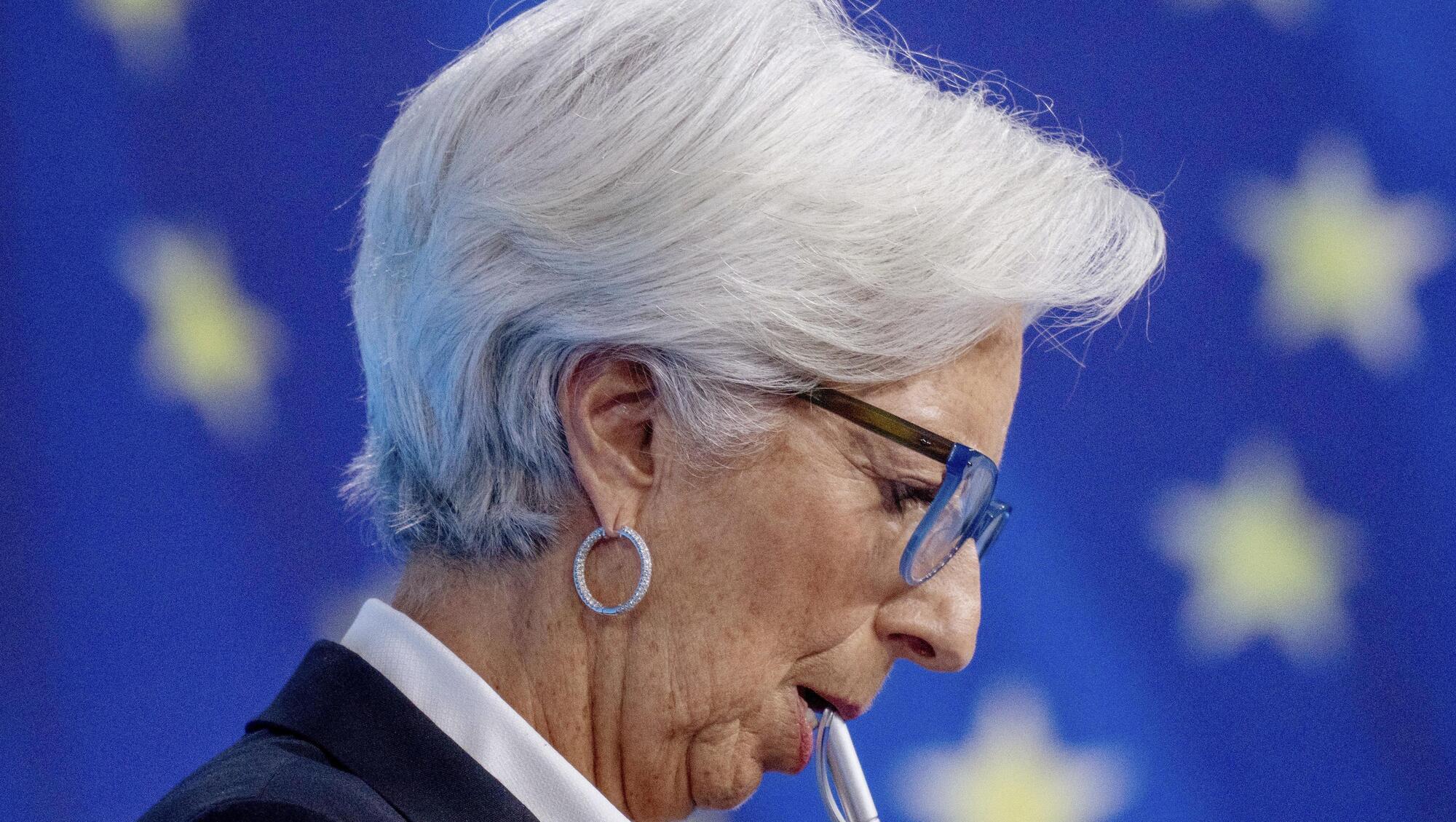
ECB President Christine Lagarde ( AP Photo/Michael Probst, file)
The European Central Bank is set to lower interest rates again, but will remain tight-lipped on the pace and extent of further action with inflation not yet fully defeated.
After a first reduction in June followed by a pause in July, the deposit rate will be decreased by a quarter-point to 3.5% on Thursday, according to all 68 economists surveyed by Bloomberg. Two other rates will also be adjusted as part of a policy revamp unveiled in March, but with few immediate consequences.
While euro-area inflation has tumbled and a rebound in the 20-nation economy is stuttering, ECB officials still have an eye on stubbornly persistent price pressures — particularly in the services sector, where wages are rising rapidly.
That’s left them loathe to commit to a path ahead for borrowing costs — even as many spent recent weeks endorsing a reduction in September. Markets are betting that 2024 will see at least one more move beyond Thursday — especially with the Federal Reserve poised to begin loosening US monetary policy next week.
“Another cut by 25 basis points seems almost a done deal,” said Janet Henry, global chief economist at HSBC. “But I would be very surprised if there is any clear guidance whatsoever on the future interest-rate path.”
ECB President Christine Lagarde may offer some clues on where policy is headed. She’ll address journalists at 2:45 p.m. in Frankfurt — 30 minutes after the ECB’s statement.
ECB officials have appeared relatively united in backing a rate cut this week, though cracks are emerging beyond that and clashes get likelier as the deposit rate nears 3%.
Hawks like Executive Board member Isabel Schnabel and Bundesbank President Joachim Nagel warn against easing too rapidly, before inflation has been brought to heel. Others fear the ECB’s stance could become too restrictive — restraining the economy more than needed.
Most analysts forecast rate cuts in September and December, maintaining that quarterly pace until reaching 2.5% a year from now. That end-point is where many estimate the so-called neutral rate that neither constrains nor stimulates the economy.
The ECB will also lower its main refinancing and marginal lending rates by 60 basis points each — part of a revamp of its policy framework aimed at, eventually, giving banks more of a say over how much cash they need to operate.
For now, with quantitative tightening years from completion and the financial system still flush with liquidity, there should be little if any impact on markets or the economy.
The latest round of quarterly forecasts from the ECB isn’t expected to shift much from the last — likely confirming the ECB’s belief that inflation will return to 2% in late 2025.
“At strict minimum, that keeps soft guidance in place for a next cut in December,” said Evelyn Herrmann, European economist at BofA Global Research. “However, recent data flow creates the risk of a slightly dovish bias in communication.”
Rather than inflation, some officials now sound more anxious about economic growth, which has stumbled after perking up during first half of the year. Data last week saw the second-quarter increase in gross domestic product revised down to 0.2% from 0.3% “Economic activity will determine the pace of interest-rate cuts,” said Jordy Hermanns, a portfolio manager at Aegon Asset Management.
Hawks, though, stress the ECB’s mandate is for price stability — not growth.
The assumption that inflation will return to 2% in 2025 rests on pay rises moderating, company profits absorbing some wage increases and productivity improving, to trim the cost per unit of output.
Recent data have been better than in the first quarter — especially an advance in compensation per employee that was less than the ECB had anticipated. August inflation, meanwhile, plunged to 2.2% — the lowest level since mid-2021.
Bloomberg.
CONNECT WITH US TODAY



Be the first to know the latest news and updates