John Fahey: ECB keeping its options open on rates outlook
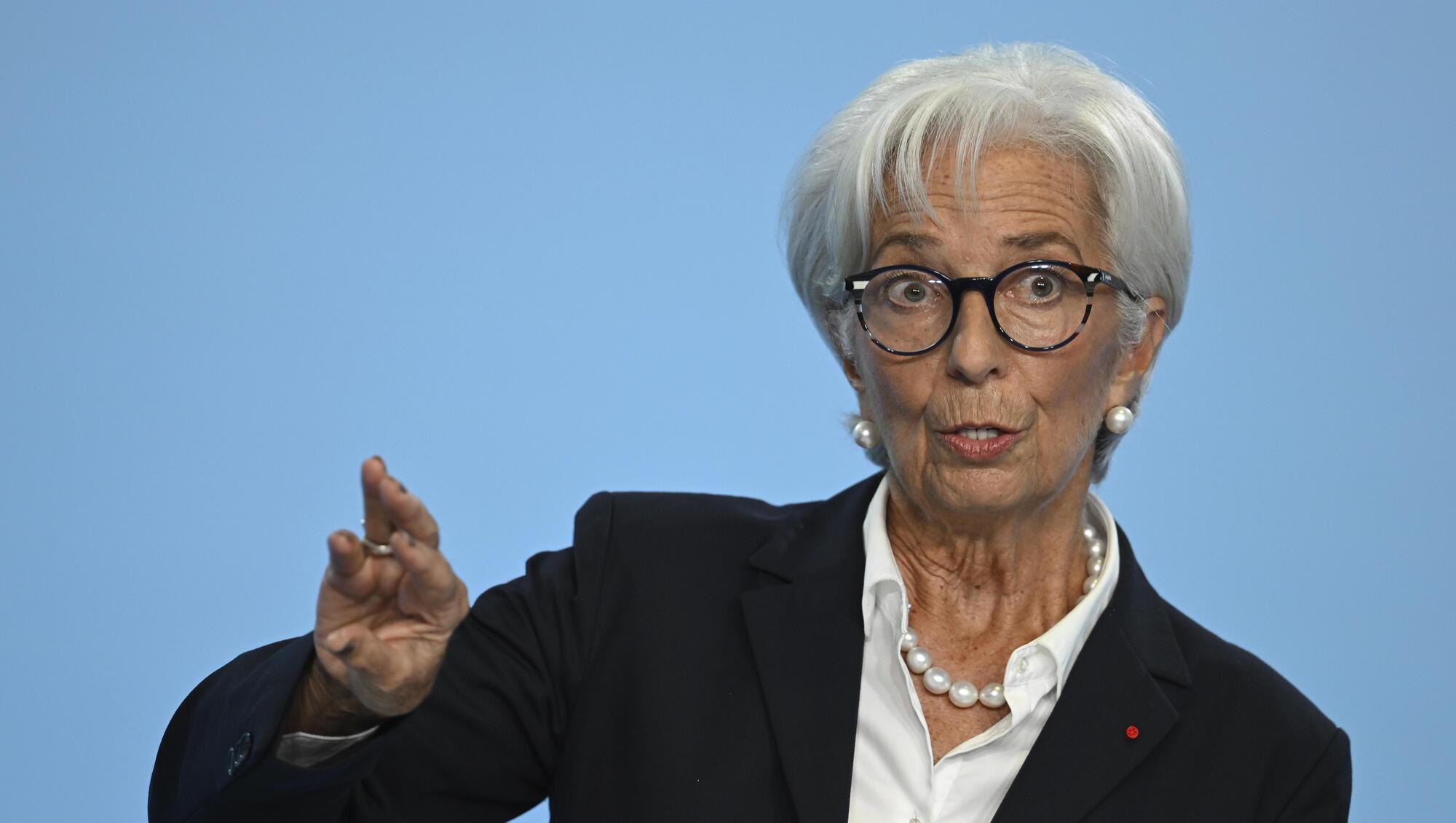
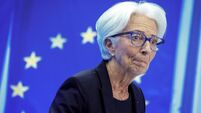
President Lagarde has stated that the ECB’s confidence in the inflation outlook, and in turn achieving its 2% inflation target, has been increasing over recent months.
We saw further signs last week that central banks are starting to alter their monetary policy settings, with the announcement of rate cuts.
This is against the background of a sustained fall in inflation which in turn has given central banks more confidence in achieving their respective inflation targets. Both the Bank of Canada and the ECB announced interest rate cuts, which followed on from the Swedish Riksbank easing its interest rate levels in May.

In terms of the ECB, the Governing Council meeting for June saw the central bank cut its key interest rates by 25bps. The deposit rate was lowered to 3.75% (from 4.00%), while the refi rate was reduced to 4.25% (from 4.50%).
The June rate changes follow five consecutive policy meetings where the ECB kept rates on hold, having been in a rate-hiking cycle between July 2022 to September 2023.
The rate cuts were very much in line with expectations, with the ECB giving clear guidance in the lead-up to the June meeting of their intention to ease policy. The rationale for cutting rates was outlined in the Governing Council’s meeting statement.
The ECB commented that now was the appropriate time to reduce the degree of monetary policy restriction against the backdrop where “inflation has fallen by more than 2.5 percentage points” since September 2023, the “inflation outlook has improved markedly”, as well as noting that “underlying inflation has also eased” and “inflation expectations have declined”.
The ECB cut interest rates despite revising higher its inflation forecasts. The central bank noted that notwithstanding progress over recent quarters, domestic price pressures remain strong amid elevated wage growth and that “inflation is likely to stay above target well into next year”.
It now anticipates the headline HICP inflation rate averaging 2.5% this year (from 2.3%) and 2.2% (was 2.0%) in 2025.
However, in the post-meeting press conference, President Lagarde stated that the ECB’s confidence in the inflation outlook, and in turn achieving its 2% inflation target, has been increasing over recent months.
She cited two reasons for this increased level of confidence in the path of inflation. Firstly, the recent downtrend in inflation and secondly, due to the “reliability and solidity” of its inflation projections.
With the June rate cut well flagged, the focus for markets was on what insight, if any, the ECB would provide on additional policy easing over the coming months.
In this regard, the ECB was non-committal. President Lagarde emphasised that the central bank would be “data-dependent” and take a “meeting-by-meeting” approach, and that the ECB “is not pre-committing to a particular rate path”.
Futures contracts suggest that the market is anticipating around 30bps of additional easing from the ECB by year end.
If underlying inflation, including wage growth, which the ECB will continue to scrutinise closely, shows further signs of moderating over the coming months, then an additional 50bps of easing by year end is a plausible scenario.
- John Fahey is Senior Economist with AIB