John Whelan: The upfront cost of electric vehicles moves hauliers towards using e-fuels
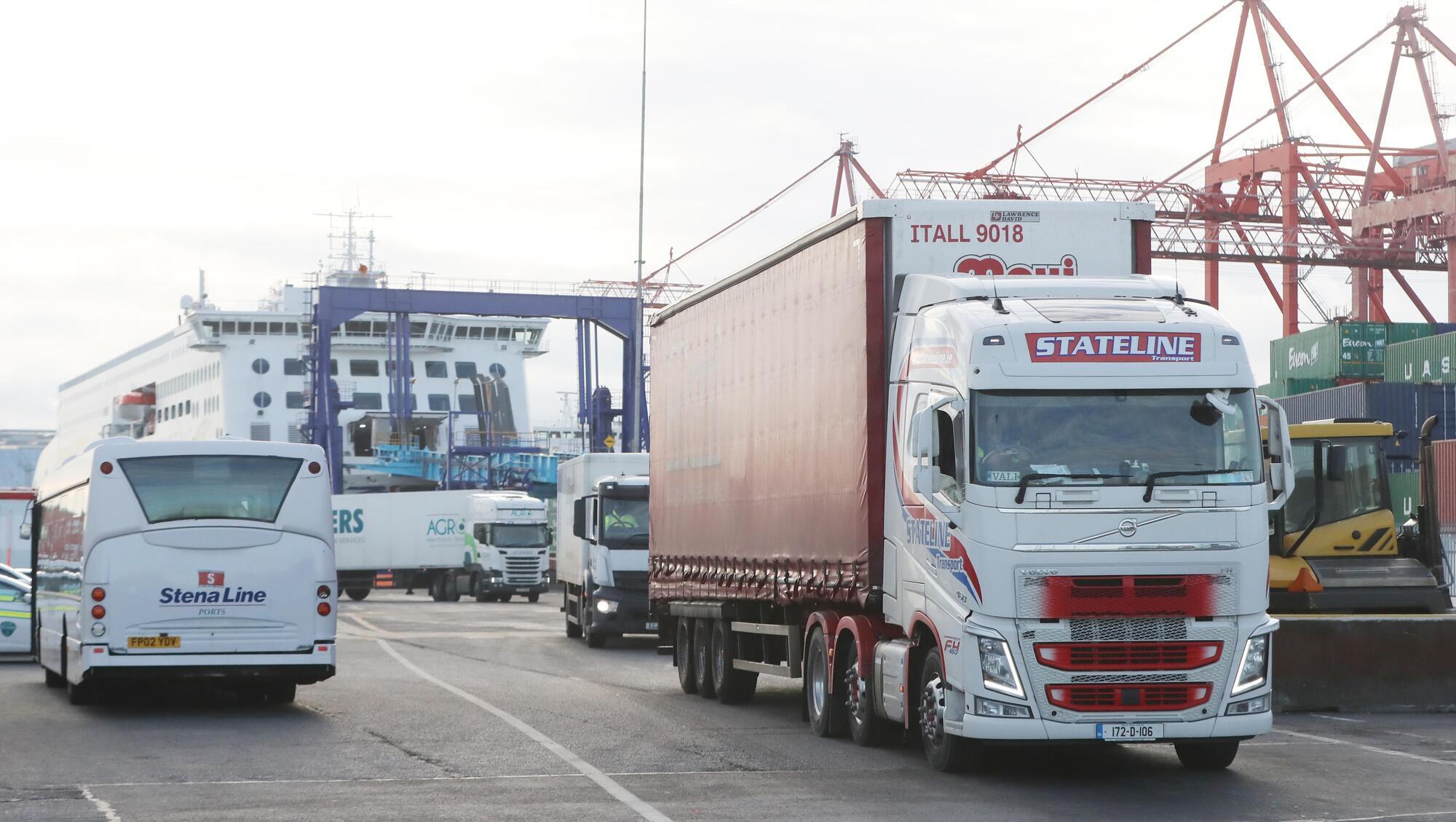
Stateline Transport general manager Ryan Brady says electric trucks aren’t viable but using Hydrotreated Vegetable Oil (HVO) fuel will reduce carbon emissions by 90%.

EU countries and the European Parliament last week failed to reach an agreement on new rules tightening CO2 limits on heavy-duty vehicles (HDVs), as Germany pulled back from earlier support for the proposal.
Already last year, the proposed CO2 standards for cars, which included a de-facto ban on new cars with internal combustion engines by 2035, had been halted due to a last-minute intervention by German officials.
That stand-off was only resolved after the European Commission changed the proposal committing to create a new category of vehicles that run with an internal combustion engine but exclusively on climate-neutral fuels, known as e-fuels.
In this latest attempt at tightening the existing heavy goods vehicle CO2 emission targets, Germany again is pushing for multiple alternative fuels, including biofuels, as a means to decarbonise heavy-duty transport to be taken into account.
Ryan Brady, general manager at Stateline Transport, an Irish-owned haulage and logistics business, running for over 30 years, and operating throughout Ireland, the UK, and Europe, welcomes the change in direction in Brussels, stating that in his company they don’t have electric trucks (EVs) and the reason is that it is not sustainable financially yet.
He points out that customers enquire about EV movement of their goods, but will not agree to be tied down to a contract which would make the investment viable.
Brady states that he can only get five-year financing for new electric trucks and needs customer security for five years, which customers don’t want to commit to.
He points to the very high cost of changing to EVs, with an average of €400,000 for the basic unit and allowing for the potential government grant of €200,000 is a significant investment for smaller operators, and brings with it the EV range limitations.
So now Brady says Stateline are going fully to Hydrotreated Vegetable Oil (HVO) fuel with all their fleet which reduces carbon emissions by 90% and does not require fleet renewal costs.
Whereas there is a win in vehicle purchase cost, there is the important matter of the availability and the cost of HVO fuel, which comes at a premium of 20% over that of regular diesel and a 50% premium to kerosene fuel.
At present, the main means of producing sustainable liquid biofuels is through the use of tallow and used cooking oil, which is the main feedstock for HVO.
While HVO and other sustainable biofuels are used in the ongoing decarbonisation of the road transport fleet, they are also in demand across other sectors, for example in the manufacture of Sustainable Aviation Fuels (SAF), which is making availability and pricing an ongoing issue.
There are a number of Irish suppliers and importers of HVO. Among them GBF Ireland Ltd who last year reached an agreement with the Port of Cork to purchase tank storage and import facilities in Ringaskiddy and currently supplies DPD, Microsoft, Lidl, and Amazon which includes several data centres, enabling them to switch to HVO fuels for their standby generators.
Circle K is busy installing dedicated pumps at all its outlets for HVO fuel.
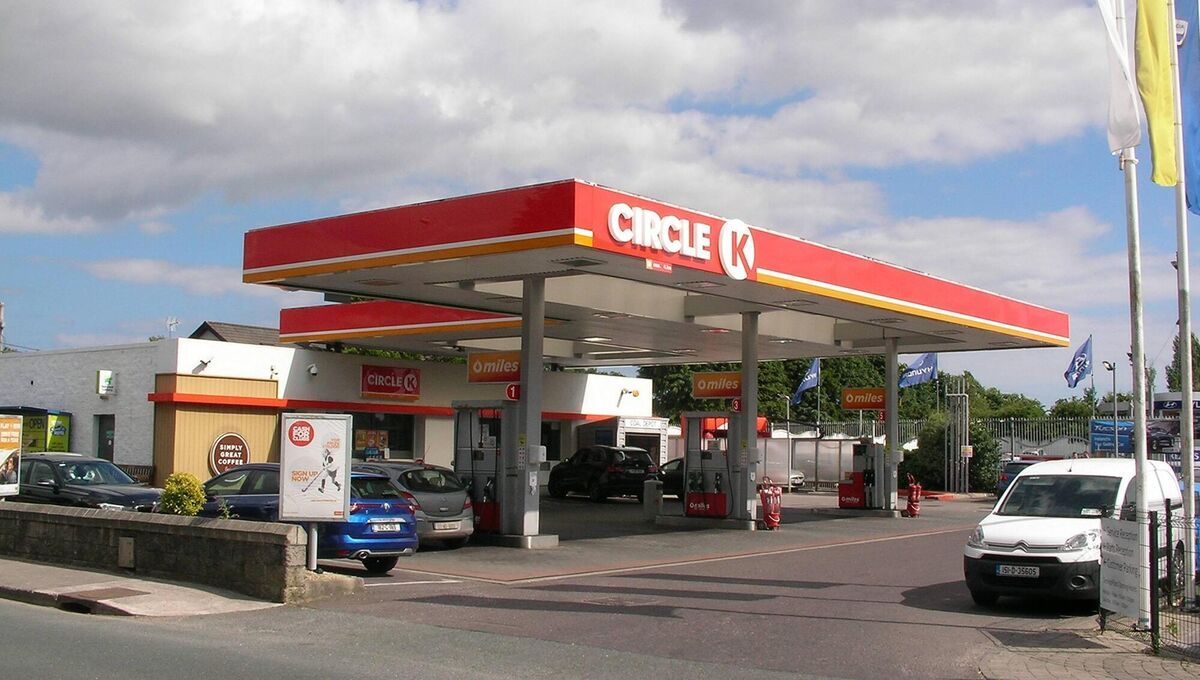
However, there are no Irish or UK producers of HVO, the vast majority of which is imported from the Neste facility in Rotterdam. But as Ryan Brady of Stateline comments: “I think the supply chain is stepping up, but the crucial point here is that, unlike biodiesel, you’re not wedded to HVO.”
There is also growing demand for HVO as a household heating fuel. It looks like a no-brainer for the Government to accelerate the transition to the more sustainable HVO in homes and factories, as well as transport.
It is within their gift to accelerate the utilisation by reducing the excise duty for those who opt for HVO, a completely renewable fuel that can replace diesel in cars, trucks, tractors, combine harvesters, and other diesel engines, delivering a 90% reduction in carbon emissions for all.
The Government needs to intervene and bring the price down to the same level as fossil diesel at least so businesses and households could change over and do the right thing without it costing them too much money.
CONNECT WITH US TODAY



Be the first to know the latest news and updates