EU-Australia trade deal in balance as endgame talks begin
Neither Canberra nor Brussels is completely convinced that a deal will be struck, although there is cautious optimism that it could finally happen.
The European Union and Australia are heading into a critical round of free trade talks, with both sides warning that a failure to strike a deal now could delay any potential agreement by months or even years.
EU Trade Commissioner Valdis Dombrovskis and Australia’s Trade Minister Don Farrell will meet in Osaka, Japan, following weekend Group of Seven talks. The two will try again to reach a free-trade accord — three months after Farrell walked out of the last negotiations in Brussels.
The two sides have been working on a free trade agreement for more than five years. While there is broad consensus across most areas, a few final sticking points threaten to derail the entire compact.
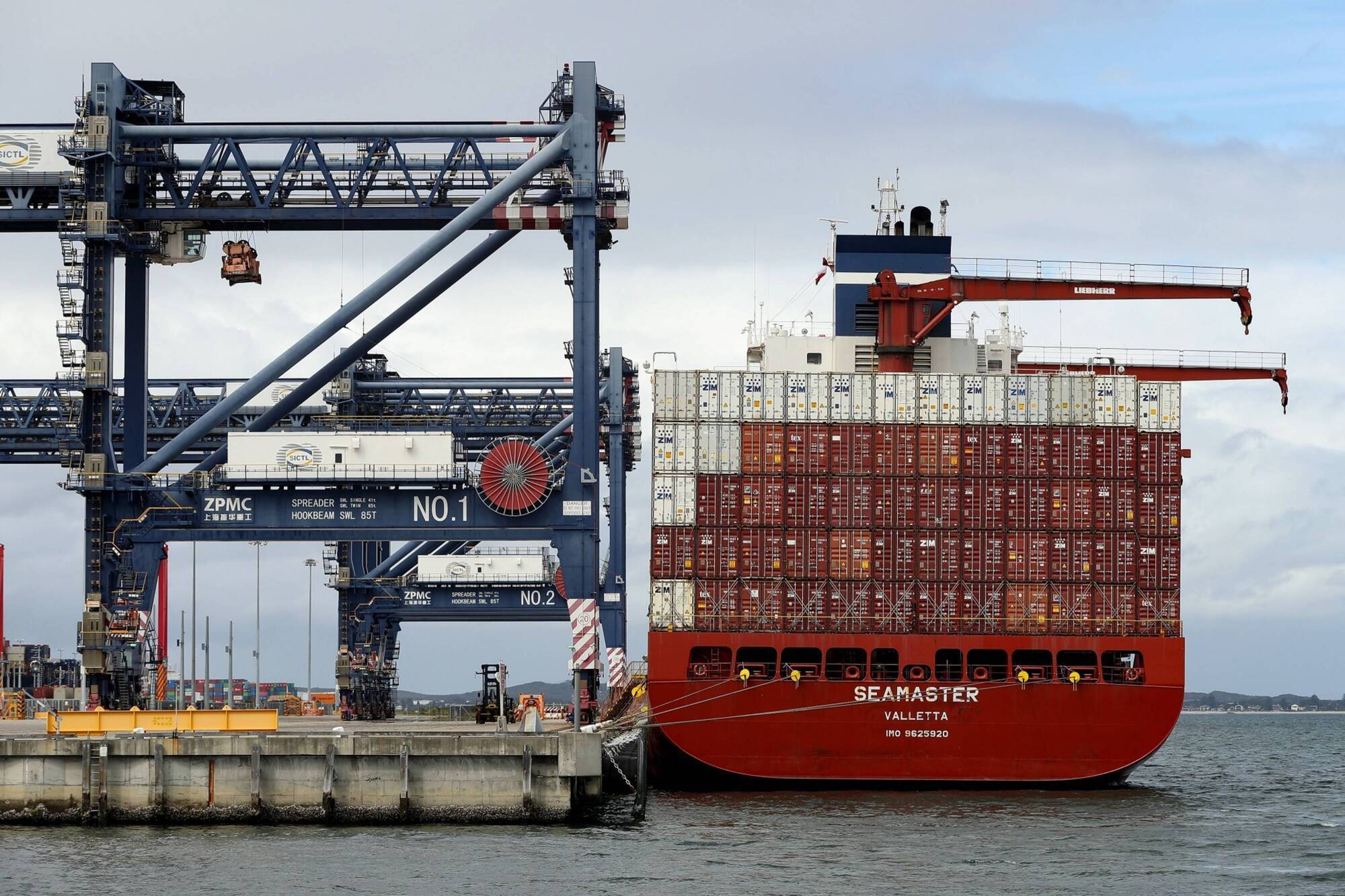
The Australian side is pushing for greater access to the European market for its beef, mutton and sugar, while Brussels wants an end to the use of certain geographic locators on products such as prosecco and feta.
Neither Canberra nor Brussels is completely convinced that a deal will be struck, although there is cautious optimism that it could finally happen.
Dombrovskis told reporters in Osaka at the weekend that the deal with Australia was “within reach” but there were some hurdles remaining. “For the EU it’s substance over speed so we will be able to conclude the negotiations once the substance is right,” he said.
Both sides have real cause to want to reach an agreement.
For Australia, the centre-left Labor government needs a win after the heavy defeat of a national referendum it backed to set up an Indigenous advisory body. It has been criticized by opposition figures for not focusing enough on the economy and a free-trade deal with Europe would counter that narrative.
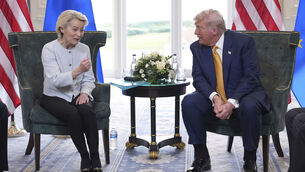
Meanwhile, the Von Der Leyen Commission needs to score a victory on the trade front after a missed attempt with the US to remove steel and aluminum tariffs imposed by the Trump Administration. It’s also having difficulty concluding an agreement with the Mercosur bloc that includes Brazil, Argentina, Paraguay and Uruguay.
Bloomberg


CONNECT WITH US TODAY



Be the first to know the latest news and updates