Global markets brace for fallout from Israeli-Hamas conflict
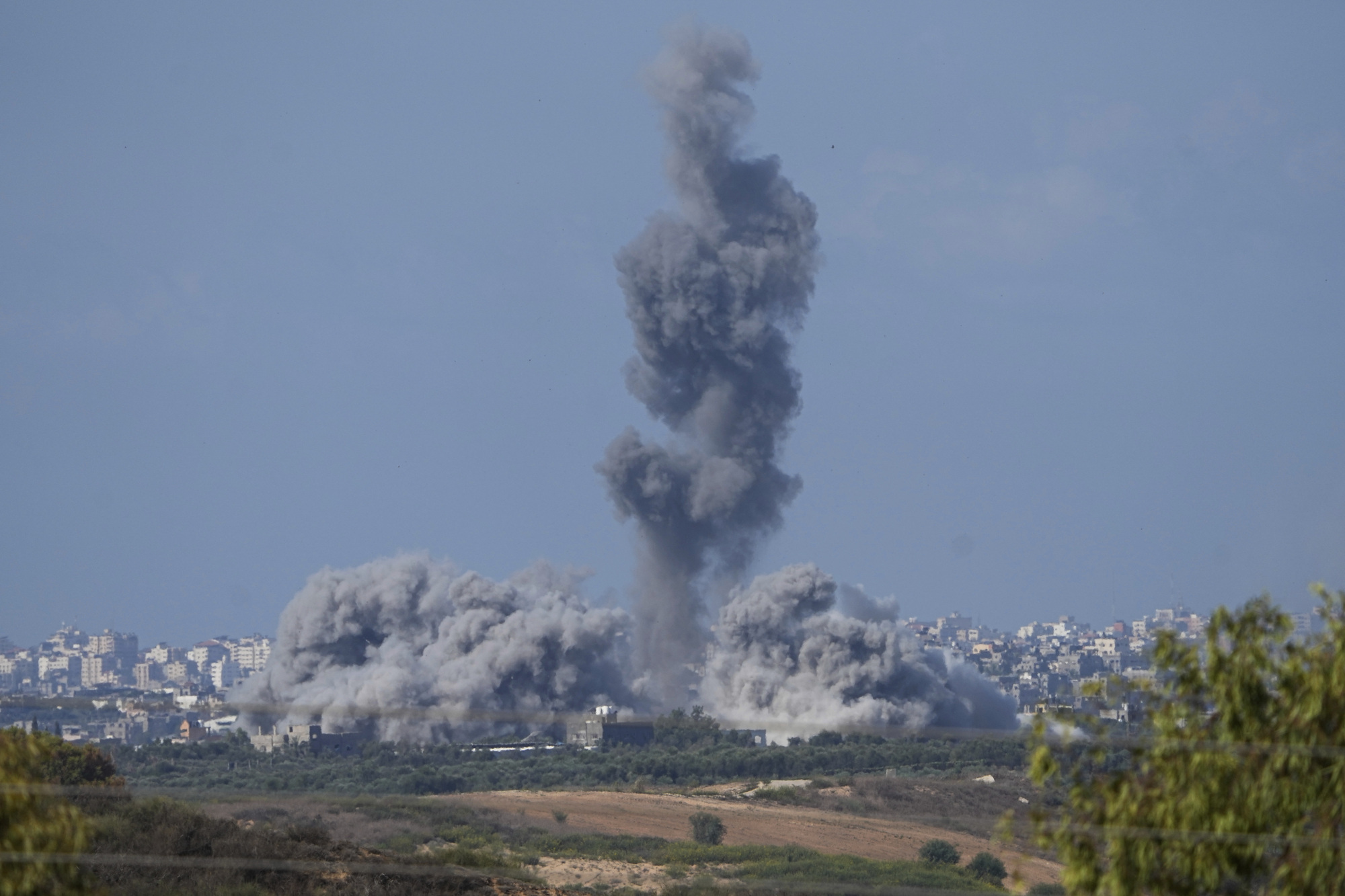
Oil prices rose nearly 6% as investors priced in the possibility of conflict spreading. Picture: Ariel Schalit/AP
Israel’s prime minister Benjamin Netanyahu has vowed to “demolish Hamas” as the military prepared for potential ground operations in Gaza against the militant group, following its deadly attacks a week ago in Israeli border towns.
Oil prices leapt nearly 6% on Friday as investors priced in the possibility of a wider Middle East conflict. Early trade in oil today will inform investors.
“It looks like we’re headed for a massive ground invasion of Gaza and a large-scale loss of life,” said Ben Cahill, senior fellow in the Energy Security and Climate Change Programme at the Centre for Strategic and International Studies. “Anytime you have a conflict of this scale, you will have a market reaction,” Mr Cahill said.
The US and its allies were nonetheless ratcheting up efforts to prevent the war between Israel and Hamas from engulfing the wider region, acting on concerns that an invasion of the Gaza Strip by Israeli forces could prompt Iran to enter the conflict.
The US has warned Iran in recent days through back-channel talks about the risks of escalation, White House national security adviser Jake Sullivan said yesterday. He said the US could not rule out Iran intervening either directly or via Hezbollah, the Lebanon-based militia group it sponsors.
Market reaction in the last week has been relatively muted, though Israel’s currency, the shekel, took a big hit. “I haven’t a clue whether markets will remain relatively well behaved,” said Erik Nielsen, group chief economics adviser at UniCredit.
“It almost certainly depends on whether this latest conflict remains localised or whether it escalates into a broader Middle Eastern war.”
The US stocks index, the S&P 500 fell back on Friday. Safe-haven assets saw buying, with gold up more than 3% and the dollar touching a one-week high.
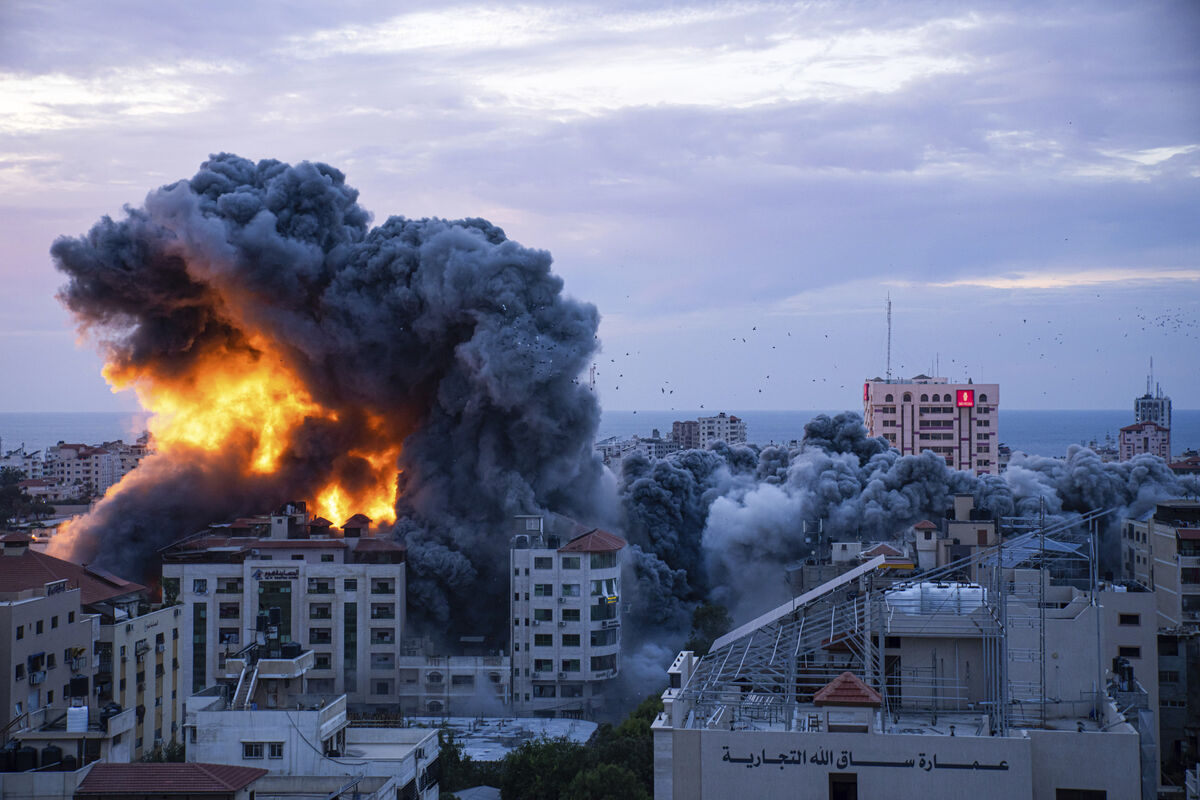
An expanding conflict would also likely cause inflation and, as a byproduct, interest rates around the world to accelerate further, said Bernard Baumohl, chief global economist at the Economic Outlook Group in New Jersey. However, while inflation and rates in other countries will likely rise in this worst-case scenario, the US could be the exception as foreign investors pour capital into what they deem a safe haven during global conflict, Mr Baumohl said.
“Interest rates could go down,” he said. “Expect the dollar to strengthen.”
In Europe, economists said the bar for another rate hike from the European Central Bank was high. The war between Hamas and Israel poses one of the most significant geopolitical risks to oil markets since Russia’s invasion of Ukraine last year.
“If the Ukraine war taught us anything, it’s not to underestimate the effect of geopolitics,” said Nomura European economist George Moran on the bank’s week ahead podcast.
Other energy markets could be impacted, as seen in recent developments, such as Chevron natural gas exports through a major sub-sea pipeline between Israel and Egypt.
Rising oil prices are unlikely to have a significant impact on US petrol prices or consumer spending, analysts noted.
The situation, however, bears monitoring, said Jack Ablin, chief investment officer at Cresset Capital.
“If all of a sudden either oil production is cut or oil transport is disrupted then that certainly creates problems not just for economies but for markets too,” he said.
- Reuters and Bloomberg

CONNECT WITH US TODAY



Be the first to know the latest news and updates