The richest man in Europe is at the centre of the world's luxury market
The luxury goods market has survived past economic crises without much change. For example, the leading firm in the market, LVMH, has been run by the same man for more than 30 years. 
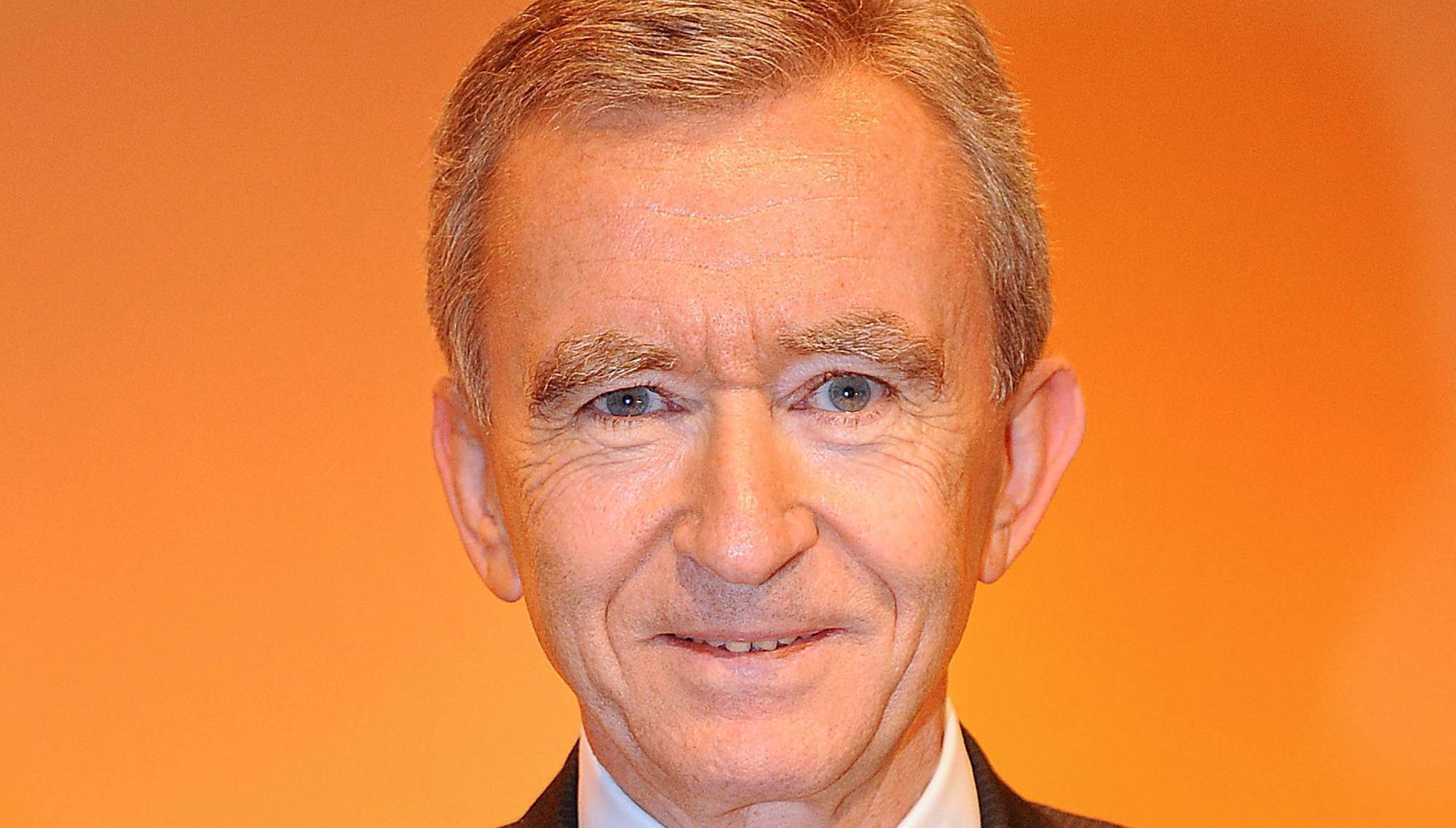
Bernard Arnault, the CEO of French luxury group LVMH, is worth about $233bn, according to Forbes. Picture: Antoine Antoniol/Bloomberg News

Bernard Arnault, the CEO of French luxury group LVMH, is worth about $233bn, according to Forbes. Picture: Antoine Antoniol/Bloomberg News

It is a rarity you’ll meet someone who does not know the name Elon Musk. The entrepreneur is known for his eccentric behaviour, like naming his dog Floki, a Shiba Inu, the CEO of Twitter after he purchased the social media platform.

The CEO of electric car company Tesla is currently worth an estimated $237bn (€207bn), putting him at the top of the revered list compiled by Forbes of the 10 richest people in the world. Even without the attention-seeking behaviour, it is hard to maintain a low profile with this kind of wealth.

However, the second richest person has managed to do just that. Bernard Arnault, the CEO of French luxury group LVMH, is worth about $233bn, according to Forbes. Mr Arnault was in the top position last year as the rich continued to splash out on expensive goods while tech leaders struggled with a slowdown in the sector.

The 74-year-old does not make a habit of intentionally trying to make headlines and is often only referenced in articles about his company. Aside from his business deals, he is also known to be an art enthusiast and has collected pieces by Picasso, Henry Moore, and Andy Warhol.

Mr Arnault began his professional career in 1949 as an engineer with the Ferret-Savinel construction company and was promoted to various executive management positions before becoming chairman in 1978.

He stayed there until 1984, when he undertook the reorganisation of the Financière Agache holding company. He returned the group to profitability as he embarked upon a strategy of developing the world’s leading luxury products firm. In the process, he reinvigorated Christian Dior as the cornerstone of the new organisation.

In 1989, Mr Arnault became the majority shareholder of LVMH, creating the world’s leading luxury products group. He has been the chairman and CEO of the company since that date.

Mr Musk leapfrogged over the Frenchman to take the top spot earlier this year, as spending on luxury items normalised as inflation lingers and pent-up demand built up during the pandemic stabilises.

Expensive brands continue to weather the cost-of-living crisis across the globe but tech firms remain in choppy waters, exposing economies that rely too much on them to risk.

Mr Arnault is the only European to make the list, which features no women, and leads the group behind some of the most luxurious brands in the world including Louis Vuitton and Givenchy. The company is older than firms like Mr Musk’s Twitter, Facebook owner Meta and search engine Google.

LVMH, which owns 75 brands, experienced a slowdown in the US market earlier this year, as did its competitors Burberry and Cartier. However, LVMH has weathered the weaker demand in the US better than its peers. The group benefits from a bigger global footprint and a wide array of brands spanning Moet & Chandon champagne to Tiffany jewellery, according to Bloomberg.

Bloomberg also reported that the market in Europe is seeing the return of wealthy tourists post-covid, which is leading to higher numbers heading towards fashion hotspots like Paris and Milan.

Expensive brands continue to weather the cost-of-living crisis across the globe but tech firms remain in choppy waters, exposing economies that rely too much on them to risk.

For example, Apple recently posted its third straight quarter of declining sales and predicted a similar performance in the current period. In addition, Microsoft shares fell last quarter as the slowdown continues as the sector recovers from a post-pandemic e-commerce downturn and the impact of interest rate hikes.

Apple, as well as PC makers like Lenovo and Dell, is also reporting sales declines amid the slump.

For several years now, players in big tech have been sought after to grow gross domestic product (GDP) in various countries, including Ireland. But before everyone had a smartphone in their hands, luxury brands were a key economic health indicator as they highlighted the spending power among consumers. The companies behind them have significantly boosted economies and continue to do so.

The longevity of fashion and luxury brand companies should not be overlooked or underestimated when tech enters its renaissance period post slowdown, especially as the emergence of AI provides new hope for the sector.

Luxury goods groups like LVMH and its rival Kering, the company behind Gucci, have demonstrated durability having survived previous financial crises which tumbled shares.

It may be time for economies to go back to basics and look to fashion and high-value goods to boost the economy while tech muddles through its current storm.

One guarantee that companies like LVMH provide is consistency, no matter what the economic environment looks like.

consumers still go after the trademark fashion looks such as Burberry’s signature check pattern, Christian Louboutin’s red sole shoes or the Louis Vuitton sought-after brown leather bags, despite eye-watering prices.

Tech firms strive for change and to provide the latest cutting-edge product. For example, phones and laptops are constantly changing and each iteration decreases in value over time. This is not the case for fashion and jewellery.

Vintage pieces are held in a high regard among buyers and while designs change somewhat from time to time, consumers still go after the trademark fashion looks such as Burberry’s signature check pattern, Christian Louboutin’s red sole shoes or the Louis Vuitton sought-after brown leather bags, despite eye-watering prices.

It is difficult for other countries, especially smaller ones like Ireland, to get a slice of the luxury goods’ success in Europe as places, mainly France and Italy, have the industry sown up. Bellwether companies including LVMH and Prada already based their European headquarters in Paris and Milan. 

Switzerland cannot be excluded either as it is a stronghold for opulent watches such as Rolex and Patek Philippe.

Yet, the impact of these brands can be felt in Ireland as demand for luxury brands remains strong, despite a squeeze on incomes, according to the head of Brown Thomas.

Brown Thomas Arnotts managing director Donald McDonald said the lifting of mask mandates in the country would further boost consumer confidence as he opened the group's fifth Brown Thomas store earlier this year, according to Reuters.

Some countries are making strides in significantly boosting their dominance in the luxury market though.

Fashion house Coach parent Tapestry is set to buy Michael Kors owner Capri Holdings in a deal valued at $8.5bn, creating a US fashion powerhouse to challenge larger European rivals for a bigger share of the global luxury market.

US luxury firms have consistently lagged their European peers in scale, limiting their ability to compete better.

The combined businesses will be the fourth-largest luxury company in the world, with a market share of about 5.1%, according to GlobalData analyst Neil Saunders. In the Americas, it will be the second-largest player behind LVMH, he added.

Luxury giants have been snapping up smaller brands even as inflation has potentially darkened the outlook for discretionary spending.

Cosmetics firm Estée Lauder Cos took over Tom Ford in a $2.8bn deal announced last year and completed in April.

Kering, which had held talks to buy Tom Ford before it was sold to Estée Lauder, agreed a deal last month for a 30% stake in fashion house Valentino for about $1.9bn. Kering also agreed in June to acquire perfume maker Creed at an undisclosed valuation.

Overall, luxury goods have boosted the euro area economy this year amid an energy crisis, sticky inflation and interest rate hikes.

Earlier this year, LVMH managed to reach a market capitalisation of $500bn, a monumental milestone for the continent.

That said, after a solid start to the year, luxury stocks have drifted lower in recent months in response to weak Chinese consumer and economic data, according to Bloomberg. Bullish investors are pinning their hopes on a revival in anticipation that Beijing will soon implement more decisive stimulus measures to kick-start a flagging economy.

Meanwhile, some industry leaders are looking at ways to merge both the old and the new by weaving technology into the fashion industry.

Ralph Lauren chief executive Patrice Louvet told Bloomberg his company is investing in the metaverse, a virtual reality product created by Meta.

“We want to be where our consumer is. And that's where the younger population is. That's where they want to engage with brands like us,” he said.

“We've got a partnership with Fortnite. There's some really cool boots that we developed that you can dress your player with, but we’ve actually done a physical version of them as well,” he added.

 Creations by Christian Dior during the Women's Haute-Couture Fall/Winter 2023/2024 Fashion Week in Paris last month. Picture: Alain Jocard / AFP via Getty Images
Creations by Christian Dior during the Women's Haute-Couture Fall/Winter 2023/2024 Fashion Week in Paris last month. Picture: Alain Jocard / AFP via Getty Images

In the meantime, while tech, luxury, and most other industries battle an ongoing volatile economic environment, they must also grapple with internal pressures.

The insatiable global demand for luxury goods and LVMH’s stellar financial results have thrown the French conglomerate into an ever-brighter spotlight.

Mr Arnault has brought some of the world’s most desirable, high-end brands under the LVMH umbrella. Christian Dior, Dom Perignon and Cheval Blanc are just a few of the gems in his portfolio.

But industry observers are asking how long can LVMH continue to outperform, given doubts about luxury appetites in critical Chinese and US markets.

And now he is approaching 80, there is also the issue of succession and who the tycoon will eventually pass the reins of his empire to.

- Additional reporting by Reuters and Bloomberg

More in this section

The Business Hub

Newsletter

News and analysis on business, money and jobs from Munster and beyond by our expert team of business writers.

Cookie Policy Privacy Policy Brand Safety FAQ Help Contact Us Terms and Conditions

© Examiner Echo Group Limited