Irish shares join sell-off on fears for higher for longer interest rates
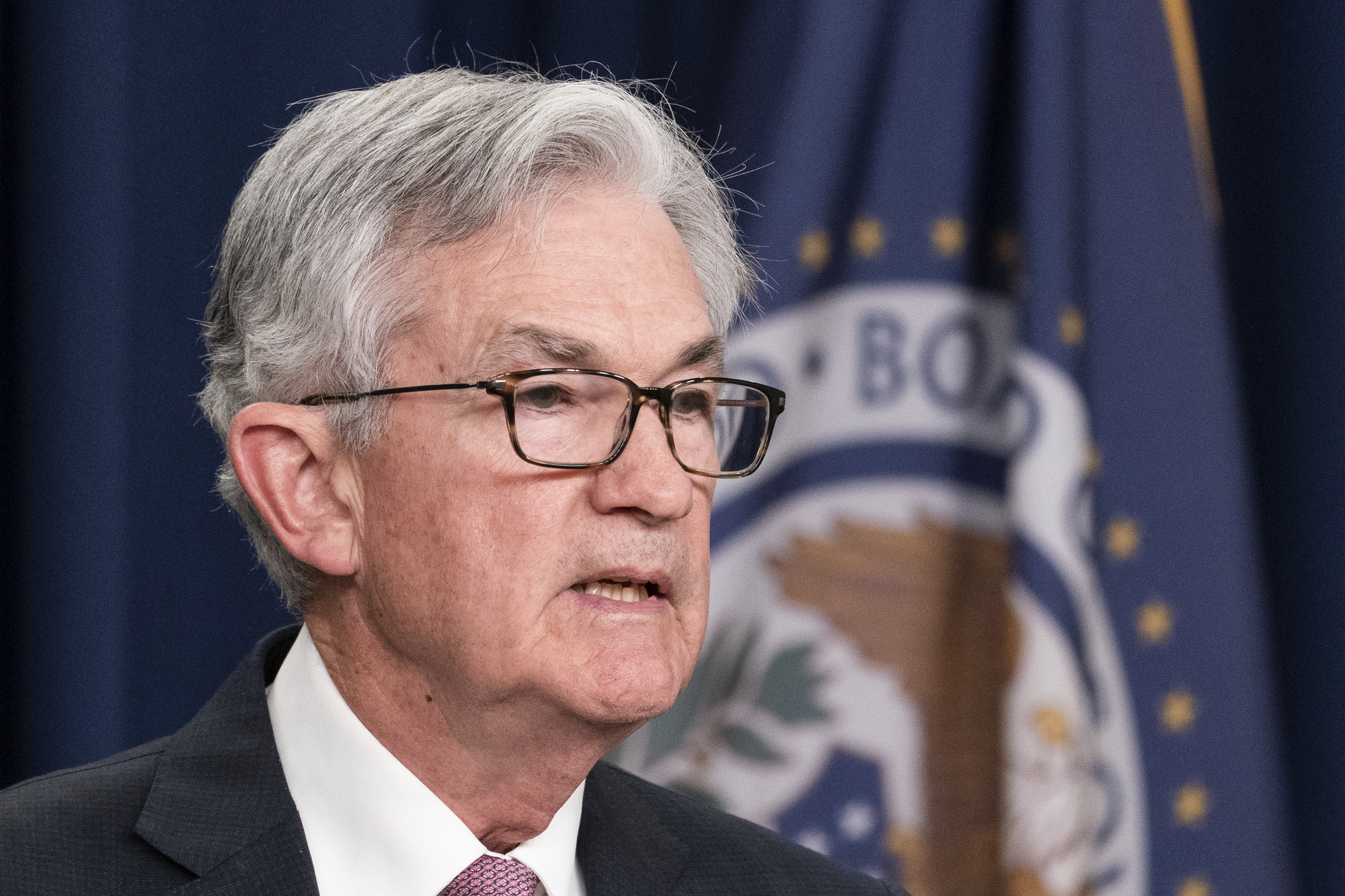
Federal Reserve chair Jerome Powell.
Irish shares joined in a sell-off across Europe as markets again worried that central banks would respond to entrenched inflation by keeping interest rates higher for longer.
The Stoxx-600 index of leading shares across Europe fell back in the session. Shares in Irish companies which generate a significant part of their earnings from overseas markets fell: Construction materials maker Kingspan slid 3%, while Ryanair and Irish Ferries-owner ICG both close lower by 1%.
A rise in global wholesale energy costs was the immediate catalyst for the shares sell-off, and the intentions of the US Federal Reserve, chaired by Jerome Powell, also unsettled stock markets.
"It has been another miserable day for stocks, as rising oil prices add to the woes of global equity markets," said Chris Beauchamp, chief market analyst at IG, an online trading broker.
"Signs of fear are everywhere, from a rising Vix [a volatility measure] to a surging put/call ratio, and for the moment buyers are few and far between,” he said in a commentary.
Concerns about interest rates were reflected in global government debt markets. The implied cost of borrowing for 10 years by the Irish Government rose to over 3%; the yield or interest rate for the British 10-year bond rose to 4.72%, and the German 10-year bond traded at 2.69%.
European wholesale gas prices fell slightly in the latest session, but continue to trade around their elevated levels of early summer, despite large stockpiles having filled storage facilities in preparation for the winter demand.
Gas is a key fuel in Ireland and across the rest of the continent to generate electricity. Wholesale gas prices had fallen as low as €27 per megawatt hour by the middle of July, raising hopes that cuts in utility bills would, after a period, be passed onto households and businesses.
However, prices have since risen back to over €37 per megawatt hour for delivery in September, and to over €55 for gas supplies in December.
Oil edged higher as tightening supplies took centre stage, at least temporarily sidelining the concerns about the Chinese economy and US monetary policy that had spurred a three-day drop. The price of Brent crude advanced $1.13 to $84.58 a barrel.
Physical markets across the globe have shown signs of robust demand, US commercial oil inventories are at the lowest since January and top buyers in Asia have been on a crude-buying spree.
Minutes from the US Fed’s July policy meeting showed that most participants continued to see “significant upside risks to inflation, which could require further tightening of monetary policy”.
However, two officials favoured leaving rates unchanged or “could have supported such a proposal” instead of the rate hike authorised by the US central bank.
“The minutes came across as reasonably hawkish, not altogether surprising given recent commentary from various Fed officials,” said Michael Hewson, chief market analyst at CMC Markets.
“However, there was some surprise that only two members appeared to support keeping rates unchanged.”
• Additional reporting Bloomberg
CONNECT WITH US TODAY



Be the first to know the latest news and updates