Back-to-school costs continue to track higher
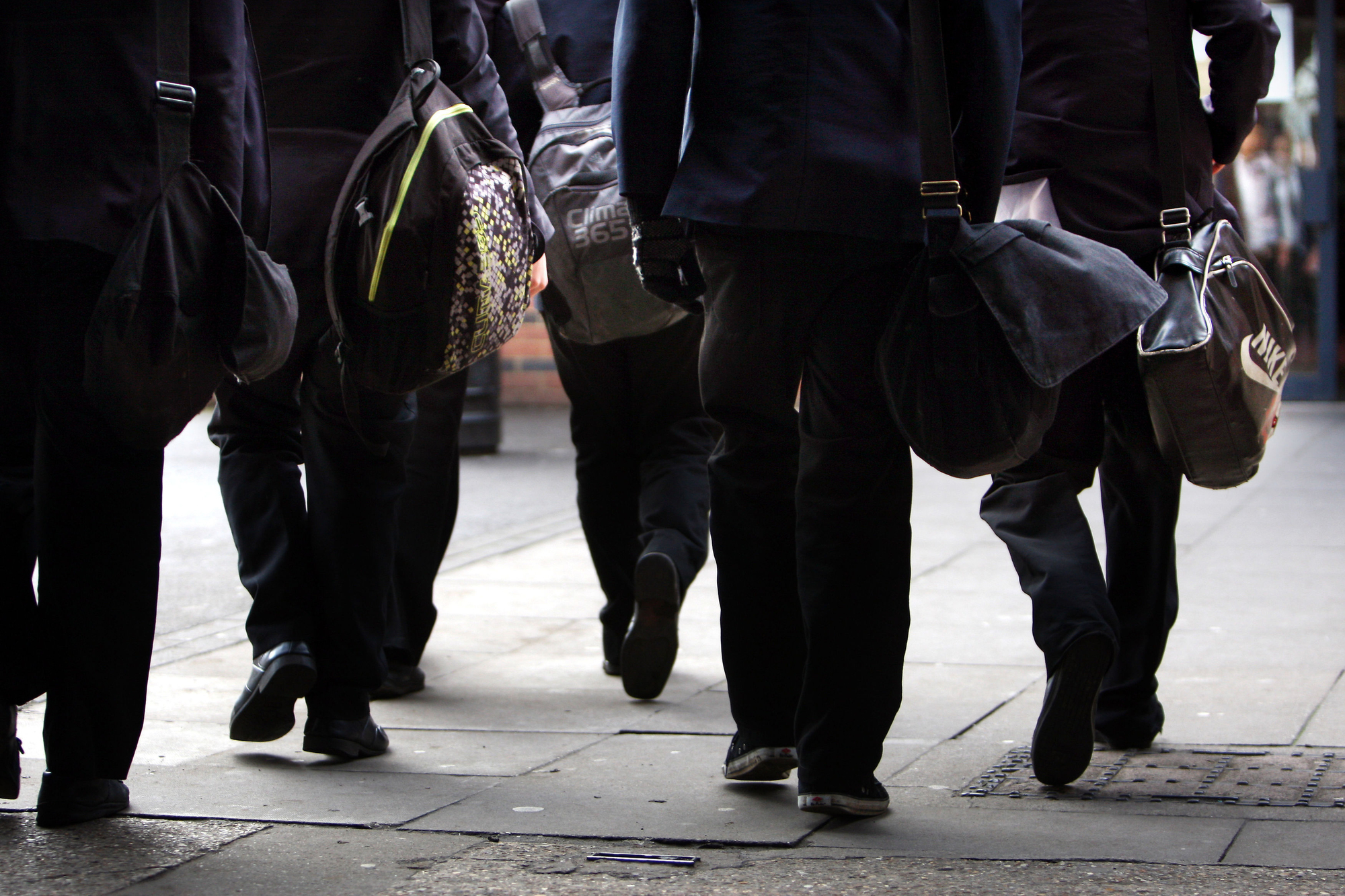
Back-to-school costs continue to track higher

The most expensive secondary school item this year is schoolbooks at €187.

It might seem like only last week that they broke up for the holidays, but the summer is never as long as it promises to be. Parents — if they haven’t already — are beginning to grapple with the costs of returning to school.

And these costs are not getting any smaller. 72% of Irish parents say the cost of back to school is a financial burden, up from 66% last year and 63% the year before.

There are some surprising figures in here too. Parents getting children ready for secondary school are spending €1,288 per child, a significant drop on last year’s €1,518. Parents of primary school children are also spending less: €1,152 this year compared to €1,195 last year.

These findings were revealed in a national survey of 723 parents of school children by the Irish League of Credit Unions (ILCU). The survey was carried out by independent market research company, iReach Insights in June.

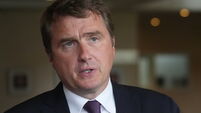
Mr David Malone is CEO of Irish League of Credit Unions. He points out that parents continue to feel a considerable financial burden educating their children.

“While we have seen a slight reduction in the amount being spent per child on back-to-school costs compared to 2022, general cost-of-living increases are impacting on households. So, while the reduction in back-to-school costs is welcome, it is partly due to parents cutting back on extra-curricular activities, and we still have parents getting into debt to cover back-to-school costs.” 

The average level of debt is €306 with 17% of parents having debts of over €500. We are also seeing the same number of parents getting into debt compared to last year (29% both years).

“Thankfully,” says Mr Malone, “the message on getting a credit union loan rather than using Payday or money lenders for help with back-to-school expenses seems to be getting through. For back-to-school supplies, 4% will seek a credit union loan and no respondent said they would go to a bank or moneylender.” 

There’s plenty of evidence of households cutting back on other expenses in order to afford back-to-school costs. 40% of parents of school children have cancelled or reduced non-essential services/activities in the run-up to September.

“More concerning,” says Mr Malone, “is that 18% of parents of school children are trying to earn additional income and the potential impact this might have on family life.” 13% of parents said they were seeking a loan to cover additional household costs, with 2% saying they would go to a money lender to do so.

Mr Malone said:

Again, we would urge anyone needing help with household costs, particularly those who feel they have no option but to use a moneylender, to talk their local credit union. 

"The cost of the loan will be cheaper — we’re answerable to our members, not to shareholders demanding big profits and a new member can join and apply for a loan on the same day.” 

Schoolbooks scheme

The big news this year is that September sees the launch of the free primary schoolbooks scheme. This will ease the burden on families by providing schoolbooks, workbooks and copy books to children in recognised primary schools and special schools. Parents will not have to pay any contribution towards schoolbooks.

Curiously enough, however, many parents surveyed by the ILCU were unaware that the scheme existed.

“It is surprising that nearly half (49%) of parents have not been informed of the scheme by their school, and a number of those parents (39%) are intending to purchase school books outright this year.” 

Given this finding, it’s quite possible that the figure which parents of primary school children are budgeting for this year’s back-to-school costs — €1,152 — may be unnecessarily high. Mr Malone expects to see the full impact of the scheme next year, and adds that he’s hopeful that its introduction will reduce the need for parents to get into debt in future years.

There’s plenty of evidence of the rising cost of living in these figures. The most expensive secondary school item this year is schoolbooks at €187.

Extracurricular expenses are the top expense for primary school parents. These now stand at €191. Another key finding: last year, 66% of parents said that they would have to deny their children extracurricular activities because they couldn’t afford them. This year’s figure is down slightly to 62%.

More worryingly, nearly two-fifths (37%) of parents say that they’re forced to deny their children new shoes because they can’t afford them.

The survey also revealed that 75% of schools are still seeking so-called ‘voluntary contributions’, that’s up 10% on last year.

The Competition and Consumer Protection Commission offers a budget planner on its website, ccpc.ie, which can help parents to figure out exactly how much they’ll need to fund school in the months ahead.

Secondary school costs

They point out that costs tend to increase when children transition from primary to secondary school. You’ll need to factor in additional expenses, particularly when it comes to books and uniforms. Moving to secondary school can also require extra money for after-school activities, school trips and electronic devices.

The new book scheme applies to primary school children only, but there are ways to economise on secondary school books. Many schools sell second-hand books; check your school’s website or call the secretary for details. There may also be a book rental scheme in operation which may save you money.

Swapping books with other families is also a long-standing option; you could ask other parents or a parent-teacher association about this. And if you have to buy brand new books, make sure to compare their prices in bookshops and online.

Uniforms can use up a large portion of your budget. Check if buying second-hand uniforms is an option. Find out from your school or other parents if there are any second-hand uniform sales near you. Keep an eye on social media and local websites.

Many shops run sales in advance of the new school year. You may be able to get special 2-for-1 offers on school clothes and stationery. Summer sales are well underway, so there may be bargains to be had on school clothing.

Most of those who qualify for the Back to School Clothing and Footwear Allowance (BTSCFA) do so automatically, so you don’t have to apply. If you think you qualify but haven’t received a letter confirming that it’s on its way, you can apply online at MyWelfare.ie. A child aged 4-11 now gets €260, while a child aged between 12 and 22 will get €385.

x

More in this section

The Business Hub

Newsletter

News and analysis on business, money and jobs from Munster and beyond by our expert team of business writers.

Cookie Policy Privacy Policy Brand Safety FAQ Help Contact Us Terms and Conditions

© Examiner Echo Group Limited