British interest rates likely heading much higher on inflation reading
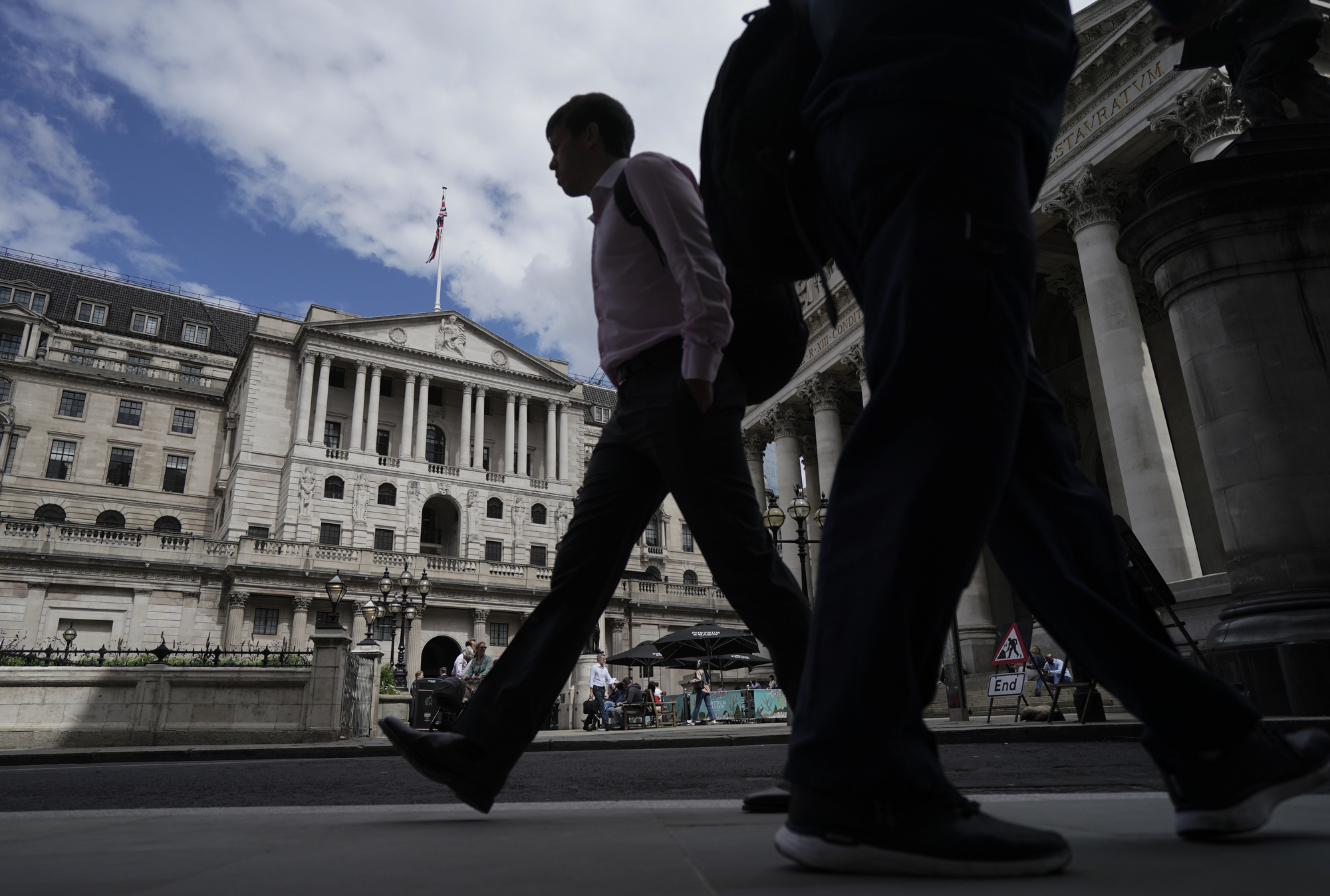
Bank of England: Markets bet bank rate will hit 6%, up from 5.25% currently, much higher than in the eurozone or the US.
Sterling rose sharply as the latest British inflation numbers reinforced bets that the Bank of England will likely hike interest rates again.
Sterling surged 0.35% against the dollar to $1.275 and climbed to 85.68 pence against the euro. The headline rate of UK consumer price inflation slowed to 6.8% in July, but core inflation, which strips out volatile food and energy prices, was unchanged at 6.9% from June, and higher than economist expectations for a reading of 6.8%. Services inflation picked up to 7.4% from 7.2% in June.


Read

Listen

Watch

Play
CONNECT WITH US TODAY



Be the first to know the latest news and updates






The Business Hub
Newsletter

News and analysis on business, money and jobs from Munster and beyond by our expert team of business writers.
The Business Hub
Newsletter
News and analysis on business, money and jobs from Munster and beyond by our expert team of business writers.

Lunchtime News
Newsletter
Get a lunch briefing straight to your inbox at noon daily. Also be the first to know with our occasional Breaking News emails.
Revoiced
Newsletter
Had a busy week? Sign up for some of the best reads from the week gone by. Selected just for you.
Most Read
Monday, October 5, 2026 - 9:00 PM
Monday, October 5, 2026 - 8:00 PM
Monday, October 5, 2026 - 3:00 PM