ECB is expected to deliver one last rate hike next month
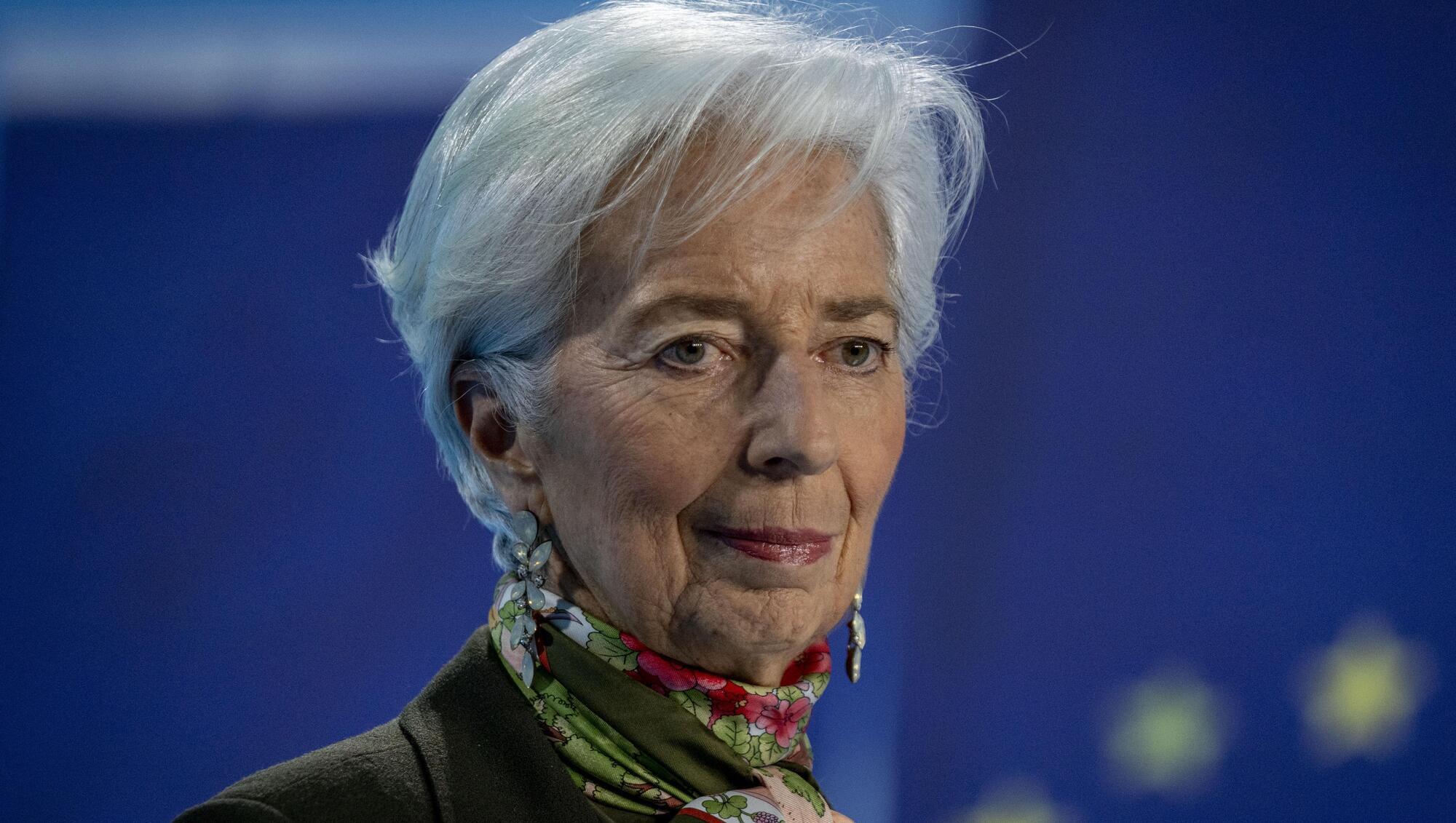
ECB president Christine Lagarde has said its meeting on September 14 will be between a 10th straight increase and a pause.
Unmoved by recent signs that inflation pressure is abating, economists continue to predict that the European Central Bank (ECB) will deliver one final increase in interest rates next month.
The deposit rate will be lifted to 4% in September from 3.75% now, a Bloomberg poll showed. At the same time, respondents reckon officials will start cutting borrowing costs in March, a month earlier than they previously thought.
The results come as major central banks ponder the end of their more than yearlong rate-hiking campaigns. ECB president Christine Lagarde has said its meeting on September 14 will be between a 10th straight increase and a pause.
Since officials last convened, ECB research has suggested that underlying inflation — a metric they’ve been keenly watching — has probably peaked. What’s more, a poll of consumers revealed that expectations for price growth across the 20-nation eurozone dropped further, though remained above the 2% goal.
Analysts in the Bloomberg survey, however, boosted their projections for inflation in 2023, and for core inflation this year and next. And a market measure of price gains is testing record highs.
Aside from inflation, warnings about economic weakness are getting louder.
Executive board member Fabio Panetta this month urged prudence “in calibrating our monetary-policy stance if we are to reach our inflation target without harming economic activity unnecessarily”.
While the eurozone has so far dodged a recession and is likely to continue doing so, Germany — its biggest member — suffered a winter downturn and stagnated in the second quarter. Economists expect another quarter of zero growth in the three months through September and still see German output shrinking by 0.3% this year, with the outlook for 2024 also shifting down to 0.8% from 1%.
German industry is facing continued weakness amid poor demand from China, worker shortages, tighter monetary policy and the lingering fallout from last year’s energy crisis.
Europe’s biggest economy is anticipated by the International Monetary Fund to suffer the only contraction among Group of Seven nations this year.
In another report, Germany’s economy ministry stated a “generally expected recovery still failed to materialise in early summer”.
“In terms of the domestic economy, the expected cautious recovery in private consumption, services and investment is showing the first signs of hope, which are likely to strengthen as the year progresses,” it said.
However, “the still weak external demand, the continuing geopolitical uncertainties, the still high rates of price hikes and the increasingly noticeable effects of monetary tightening are damping a stronger economic recovery”, the report said.
“Current leading indicators such as new orders and the business climate still don’t point to a sustained economic revival in Germany in the coming months,” it said.
ZEW numbers are likely to show that investor confidence toward Germany deteriorated again.
- Bloomberg

CONNECT WITH US TODAY



Be the first to know the latest news and updates