Mercosur is signed, but the anger among Irish farmers is only beginning
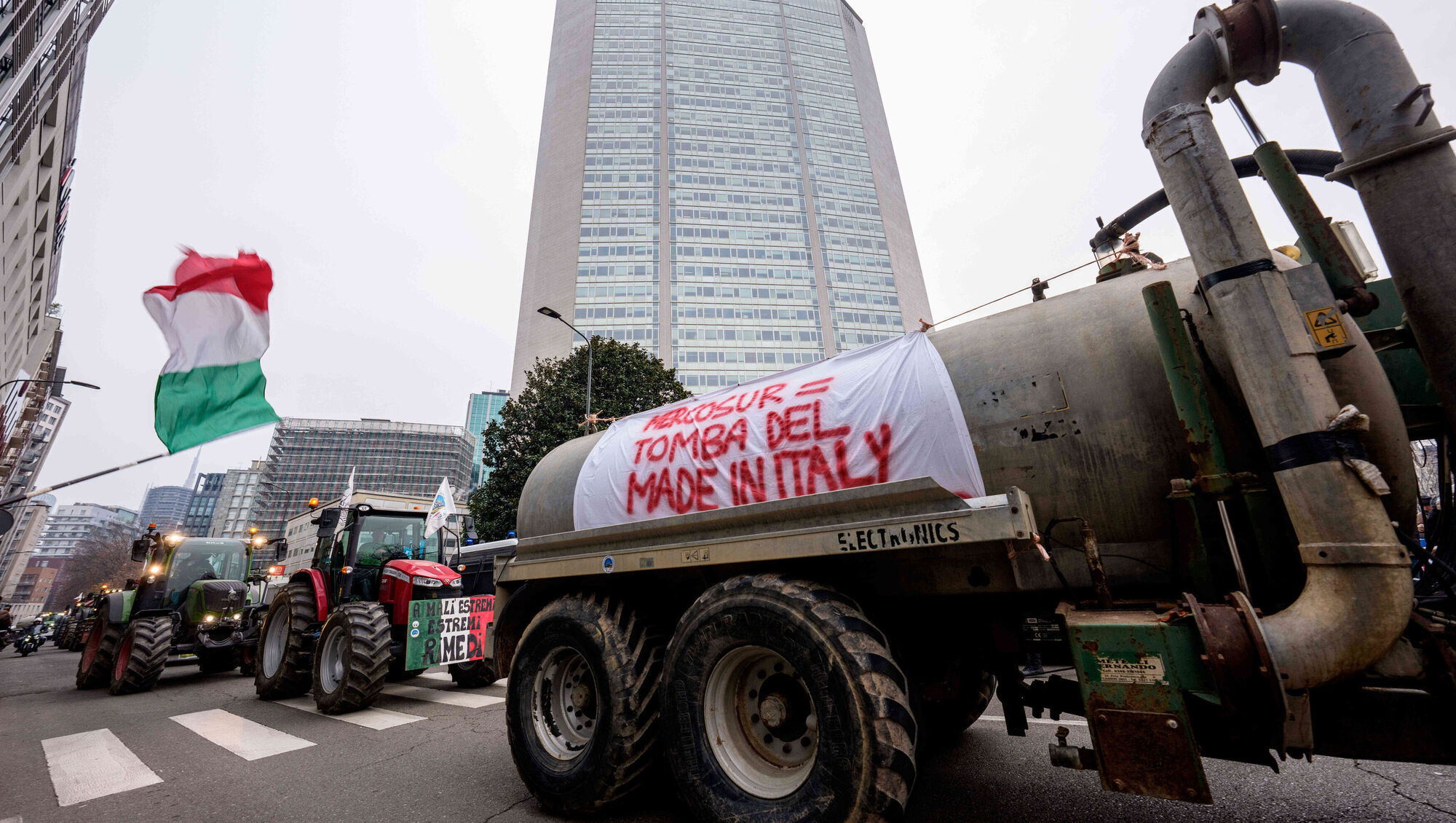
A truck sporting a banner in Italian that reads, "Mercusur, the tomb of made in Italy" during a farmers' protest against the Mercosur deal in Milan, Italy, on Friday. Photo: AP/Claudio Furlan/LaPresse
ENS OF thousands of Irish farmers arrive in Athlone today to protest the passing of the Mercosur agreement, the landmark trade deal between Europe and South America.
They join their colleagues across Europe who must now wait to judge the impact of the agreement.
Depending on who you speak to in Europe, Mercosur is either a win for European exporters and consumers in a period of uncertainty related to global trade and tariffs or it's a bad deal for the continent and will unleash a wave of beef and other agricultural products that will undermine the Irish and European farmers.
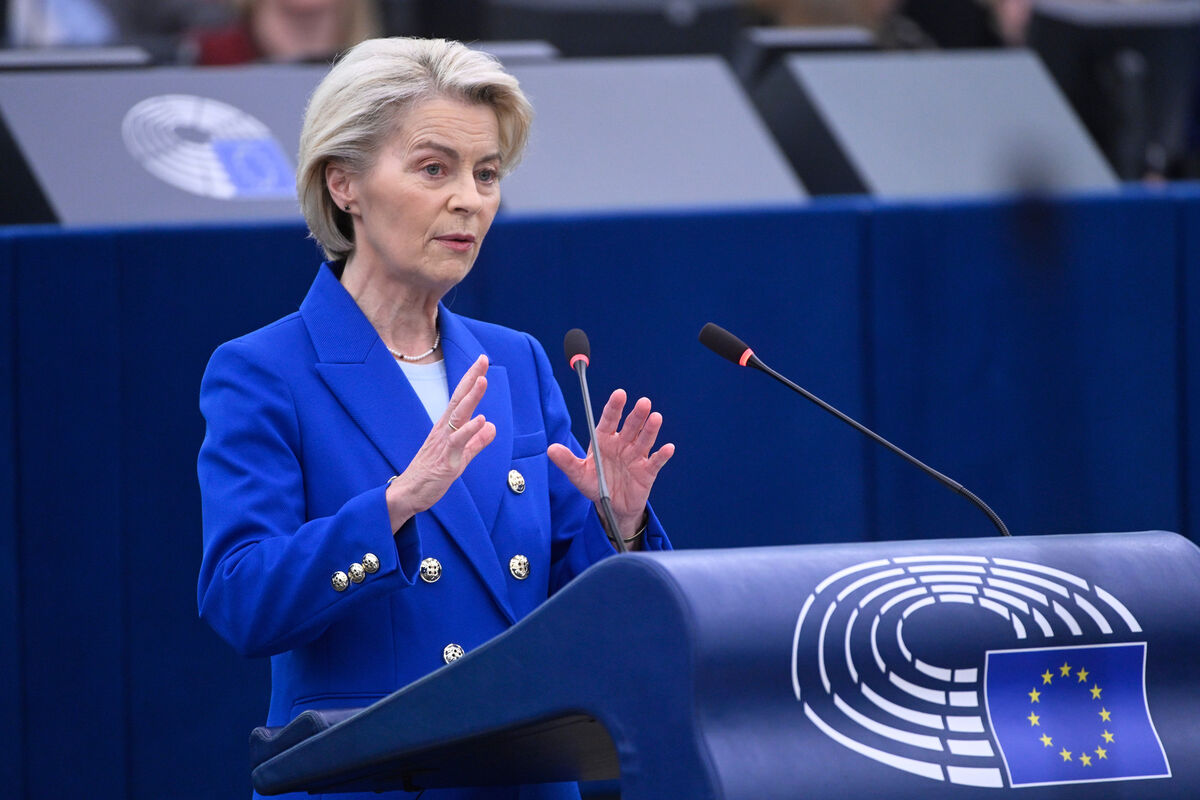
Opposition led by France, Ireland and Poland failed to prevent the deal from being passed this week, and EU Commission President Ursula von der Leyen is expected to travel to Paraguay in the coming days to sign the deal.
Ireland's opposition to the deal at a Government level is also noteworthy, given our general pro-European stance and export-led economy.
Mercosur (Mercado Común del Sur) is the South American trade bloc formed in 1991 by founding members Argentina, Brazil, Paraguay and Uruguay. Today, the full members include the founding members and Bolivia, which joined in 2024.
Venezuela, currently preoccupied with the loss of its president, was a full member in 2012 but is currently suspended due to non-compliance. A trade deal between the South American countries and the EU has been 25 years in the making and will be the EU’s largest in terms of tariff cuts.
The EU is already Mercosur’s second-largest trading partners in goods after China, but ahead of the US, with exports of €57bn in 2024. The EU also accounts for a quarter of the total Mercosur trade in services, amounting to €29bn in 2023.
The proponents of the trade agreement say the deal will allow European exporters to sell far more products into South America at more favourable conditions than the US or Asian products. One estimate puts savings for European exporters at €4bn per year through the elimination of tariffs.
The EU Commission and proponents such as Germany and Spain say the deal offers a route away from reliance on China, especially for critical minerals such as battery metal lithium. It will ensure there are no taxes on the export of most such materials.
Germany has also backed the deal given its large automotive industry. Current tariffs on car parts, machinery, chemicals and pharmaceuticals between the two regions are 35%, 20%, 18% and 14%, respectively.
Proponents also say it offers relief from the impact of tariffs imposed by US President Donald Trump. The deal will also give protection to the more than 3,500 EU protected products, including French Champagne, Irish Whiskey and Donegal Tweed.
In exchange for this market access by European industries, South American countries will gain access to Europe for a range of products. But it is this access that has kicked off years of opposition and protest.
Beef farmers in particular are concerned about the impact of the quota of 99,000 tonnes of beef, which is proposed in the revised agreement, maintaining that it will drop the prices of beef in the EU. These 99,000 tonnes of beef correspond to 1.5% of the EU’s total production.
The usual tariff on beef imports from Mercosur is around 40% to 45%; with the revised agreement, a tariff rate quota of 7.5% will apply to a limited amount of beef.
There will be two different quotas on imported beef. 55% of the quota will consist of fresh or chilled meat, and 45% of lower-value frozen meat. Irish beef farmers are particularly concerned about the fresh beef quota, as these imports will affect high-value cuts.
There are safeguards in place as part of the deal in an effort to protect EU farmers against any sudden increase in imports.
The safeguard clause was dubbed “purely cosmetic” and “a political fig leaf” by Irish Farmers’ Association (IFA) President Francie Gorman.
There is also a financial safety net set aside to support farmers if imports negatively affect the markets. Mr Gorman said it is very difficult to see how this so-called safeguard clause will be of any help. It requires there to be a threat of ‘serious injury’ to the sector before an investigation is even launched.
Other farming organisations, such as the Irish Creamery Milk Suppliers Association (ICMSA) and the Irish Cattle and Sheep Association (ICSA), have also called out the Government’s inaction in opposing the agreement.
“Even at this late stage, the Irish Government could, and should, stand up for Irish farmers and the principles, standard and science that we have all operated under for 20 years.
"They could, and should, call out Mercosur for what it demonstrably is: a complete sell-out of sustainable farming and declare that Ireland will reject Mercosur in its current format,” said ICMSA president Denis Drennan.
It is noted that meat from South America, particularly beef, is already imported to the EU. The commission has underlined that food that is imported into the EU must comply with the existing rules, including those related to genetically modified organisms (GMOs) and compliance with maximum residue levels for pesticides, veterinary medicines or contaminants set by the EU.
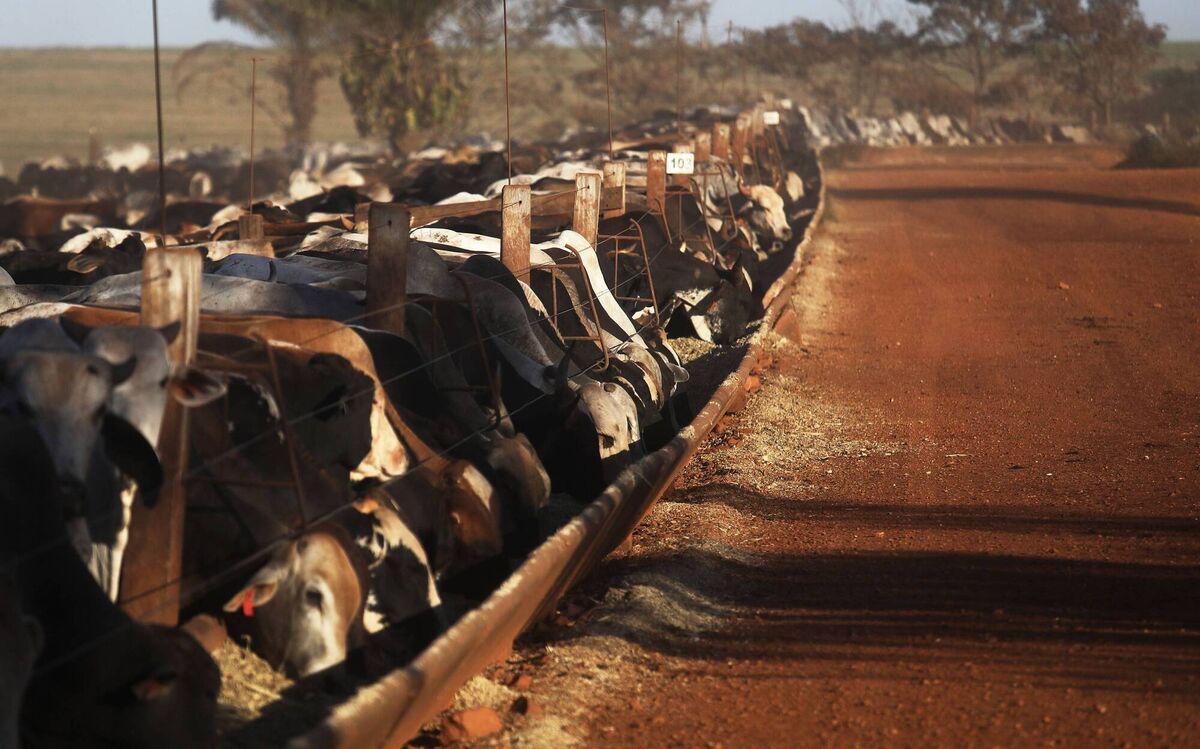
Farming organisations have pointed to the lack of antibiotic control in Mercosur countries such as Brazil and have staunchly opposed imports due to hormone use in those countries.
Recently, Brazilian beef imported into Europe was found to contain banned hormones and was confirmed this week to have entered the Irish food chain and is now subject to an official recall by the Food Safety Authority.
The EU Commission said food safety import controls include audits and approval of the control systems of the countries interested in exporting to the EU. They said meat imported into the EU must come from animals that were slaughtered or killed under animal welfare conditions equivalent to those of the EU, and that there is sampling of products already on sale in the EU market, originating in the EU or imported.
As the trade discussions went on over many years, various modifications and guarantees were offered to take the sting out of any impact.
Farm organisations here were quick to oppose any attempt to link progress on Mercosur to the other key farming issues, the reform of CAP payments and Ireland's nitrates derogation, which allows farmers here to stock more cattle than their European counterparts.
In recent days, in a final push by von der Leyen, the EU offered a further €45bn in future budget allocations to "ensure additional resources are available as of 2028 for addressing the needs of farmers and rural communities". Despite being dismissed as a "financial ploy", the concession seemed to have persuaded hold outs like Italy to support the deal.
While the opposition of farm organisations was expected, the decision by the Irish Government this week to oppose the deal was a surprising one and has likely damaged the country's reputation within the EU. A potential Government-coalition collapse was on the cards during the week over concerns, particularly from Independents.
Ultimately, Ireland's response was a united one. Speaking in China this week, Taoiseach Micheál Martin said their opposition relates to the higher standards placed on Irish and European farmers, both for food quality and carbon efficiency.
With the deal now set to proceed, it is set to have a significant impact on future trade.
For European consumers and businesses, tariffs on about 90% of goods will be phased out, meaning many imported products could become cheaper over time. However, price drops for specific goods such as beef or poultry will also depend on differing quotas and standards.
European consumer trends will also play their part, and there is no guarantee the demand will be there for South American beef and other produce.
Irish beef and dairy are considered premium products, but their prices are rising above that of general inflation. According to the CSO, cattle output prices in Ireland rose almost 50% over the past year. The price of sirloin steak has risen by more than €5 per kg over the past year.
With ratification now likely, the deal is set to reshape transatlantic trade relations after more than two decades of negotiation, but the concerns of Irish and European farmers over standards and enforcement remain unresolved.

CONNECT WITH US TODAY



Be the first to know the latest news and updates