Surging bank profits prompt call for Irish windfall tax
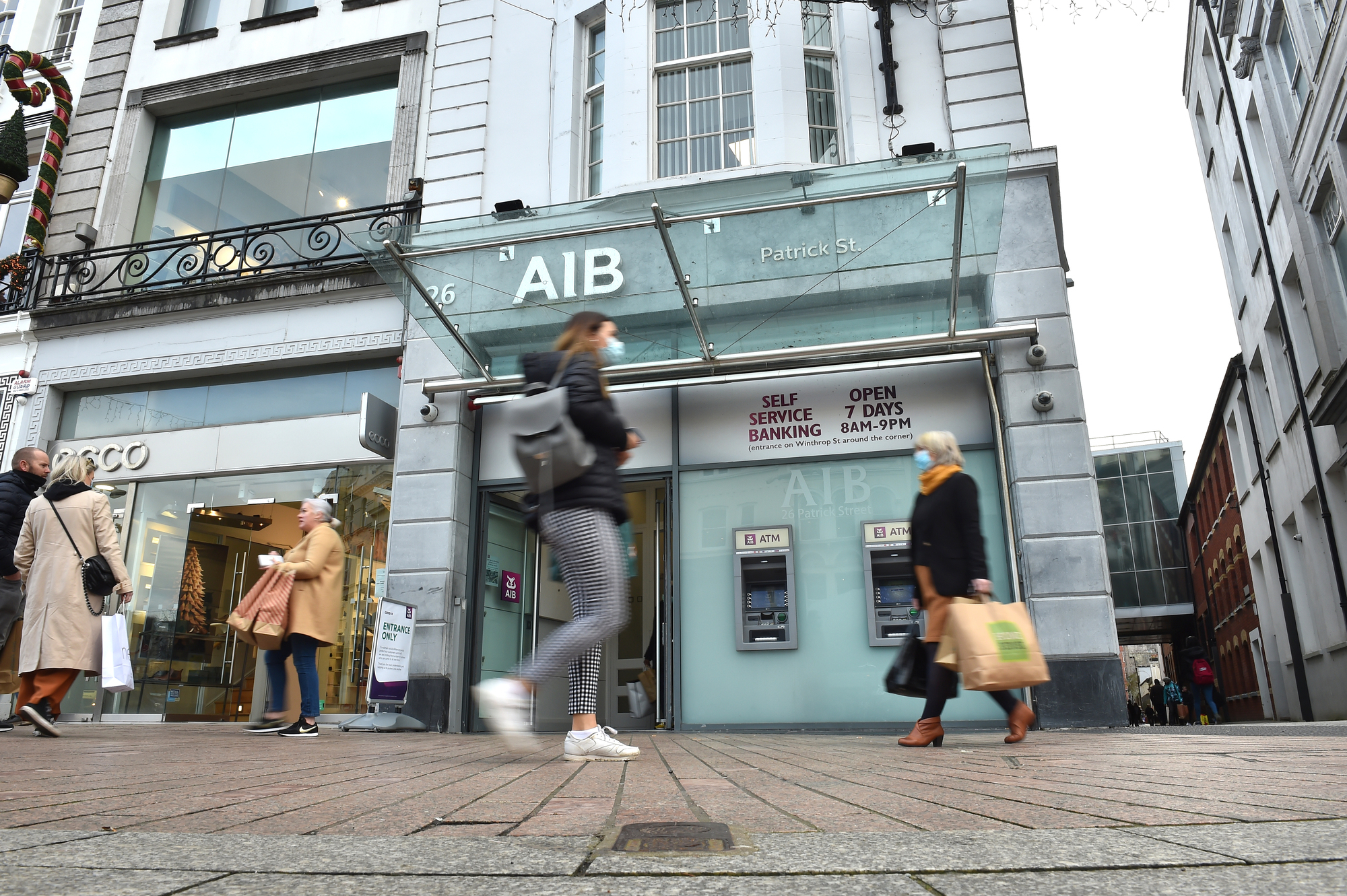
Ireland's three remaining pillar banks have seen profits soar on the back of continuous interest rate hikes and growing concentration arising from Ulster Bank's and KBC's departure. File Picture: Dan Linehan
Surging profits and a failure to increase deposit rates have prompted a call for windfall taxes to be applied to Irish banks, reflecting measures currently being implemented across the EU.
As sticky core inflation continues to hurt consumers, Ireland's banking sector has cashed in on nine consecutive interest rate hikes by the ECB, with recent half-year earnings revealing a surge in profits across AIB, Bank of Ireland and Permanent TSB.
At the same time, Irish banks have been criticised for offering some of the lowest deposit rates offered to savers. Standard & Poor found Ireland to have the lowest deposit rate gains out of the Eurozone, UK and US, with just 7% of interest rate hikes being passed on to savers.
"The past few months have shown increasing evidence of profiteering," said Ciarán Nugent, economist at the Nevin Economic Research Institute.
Speaking to the , Mr Nugent said a tax on rising bank profits would distribute money more effectively around the economy, aiding those who have been most impacted by rising price levels.
"Wages are continually lagging behind inflation. The profits we've seen coming out of the banking sector need to be taxed and given back to the economy.
"We need to look towards easing the cost of living and ongoing housing issues, which have only worsened over the past ten years."
In the past year, a growing number of countries across Europe have targeted banks which have generated larger profits off rising interest rates.
In July 2022, Spain became the largest country to introduce a tax on bank profits. To garner additional funds to ease growing price pressures, the Spanish government introduced a 4.8% tax on banks’ income from interest and commissions for two years.
Other countries, including Hungary, the Czech Republic and Lithuania have all implemented similar measures, with Italy also joining just this week, introducing a major windfall tax of 40% on banks' net interest income, measured as the difference between the interest rate the bank is charged and the rates it charges to consumers.
However, following a sharp drop in bank shares arising from the surprise announcement, the Italian government said it would push on with the plan while capping the impact of the levy on each bank.
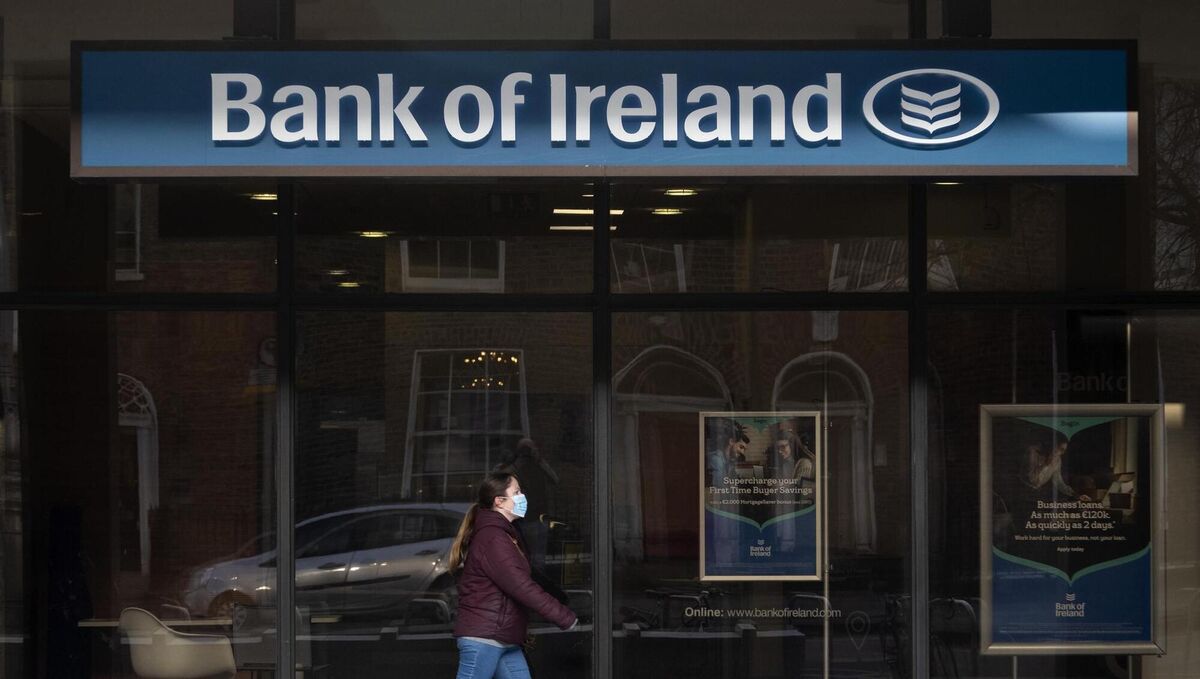
In the past six months, Ireland's three remaining pillar banks have seen profits soar on the back of continuous interest rate hikes and growing concentration arising from Ulster Bank's and KBC's departure.
Just last week, AIB posted an operating profit of more than €1.2bn for the first six months of 2023, exceeding its total of €1.08bn for all of last year. Similarly, Bank of Ireland posted an operating profit of €1bn at the end of June from €351m in the same period last year.
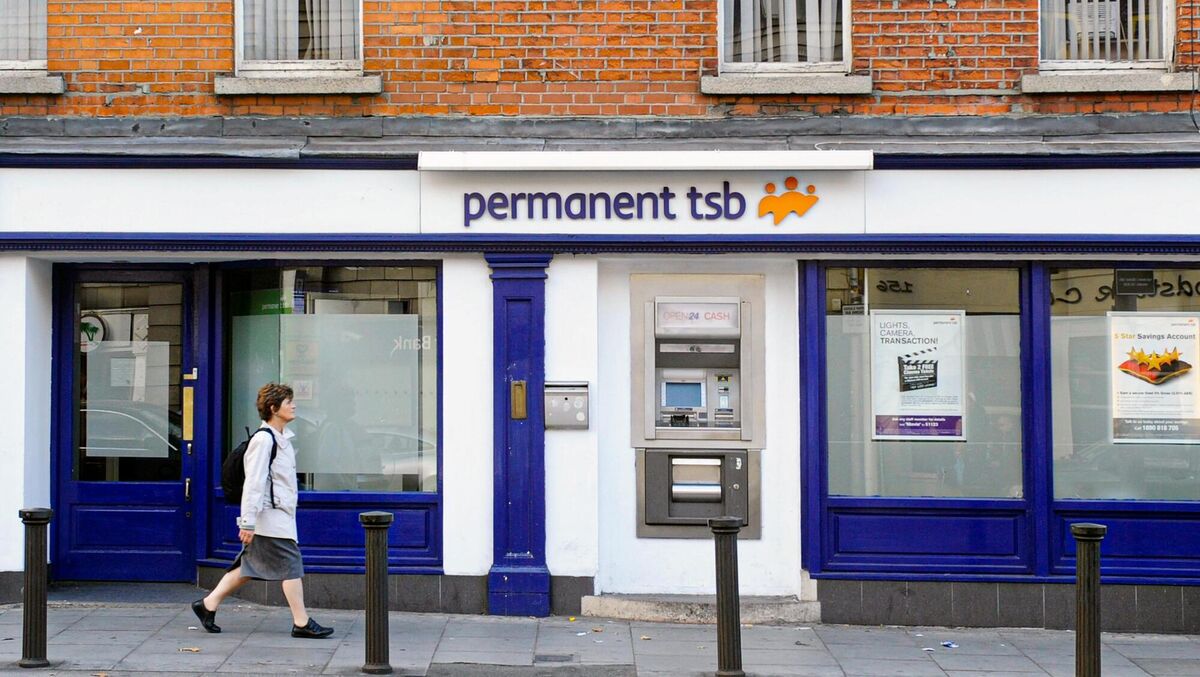
Furthermore, Permanent TSB reported a surge in net interest income to €298m, with the bank's mortgage market share rising from 16% to more than 23% in just one year.
Since 2014, the Irish government has imposed a bank levy on the level of Deposit Interest Retention Tax (DIRT) paid by banks.
Up until 2021, the levy raised €150m each year, however, following the departure of KBC and Ulster Bank, that figure shrunk to €87m in 2022, with the same amount expected for 2023, despite the surge in bank profits.
With the existing levy set to end this year, it is still unknown what taxes banks will have to pay, and if additional charges will be applied to surging profits.
Speaking to the a spokesperson for the Department of Finance said the Department is "currently engaged in an exercise to review the bank levy, and make recommendations to the Minister for Finance as to its future."
"The Department is aware of the range of levies of various types and durations that are in effect across the EU, and these have informed, and will help inform, its continuing work in this area."
Speaking to the a spokesperson for the banking representative body, the BPFI, said such a move would make the competitive landscape "much more challenging for potential new entrants."
"The significant decline in Italian bank shares, following the announcement of the windfall tax, demonstrated the unintended consequences of such a move, and resulted in a rapid reversal by the government.”
Asked about the possibility of a windfall tax on banks in the light of their growing profits, Taoiseach Leo Varadkar said any changes would be a matter for consideration in the Budget.
He explained there is already a form of windfall tax on the banks called a bank levy and the banks also pay Employers’ PRSI on staff.
Asked about a possible windfall tax, the Minister for Public Expenditure and Reform Paschal Donohoe said a levy on the banks was currently in place. “It’s a matter for the Minister for Finance in relation to the future of that levy," he said.
"We really appreciate that for many at the moment, the rising interest rates and inflation continuing to go up places so much pressure on so many. And we have looked to help to respond back to the rising cost of living with a variety of different measures, both in last year’s Budget and since then.”
He said that the issue of banks passing on profits to savers in the form of higher interest rates "are commercial decisions and they’re decisions that have to be made independently by banks within our country".
Economist Austin Hughes said what happened in Italy and the uncertainty the move caused means it would be "disastrous" to implement in Ireland. "We are two very different economies. Italy is running a deficit while Ireland will have a surplus. At a time when we are trying to encourage banking competition, a windfall tax would send us in the opposite direction," he said.
However, he did say the current strength of the Irish pillar banks could strengthen the case for the extension of the banking levy. "Few things in Ireland that are introduced as a temporary measure are ended. They invariably become permanent," he said.
CONNECT WITH US TODAY



Be the first to know the latest news and updates