Bank of England raises interest rates by a half point to 5%
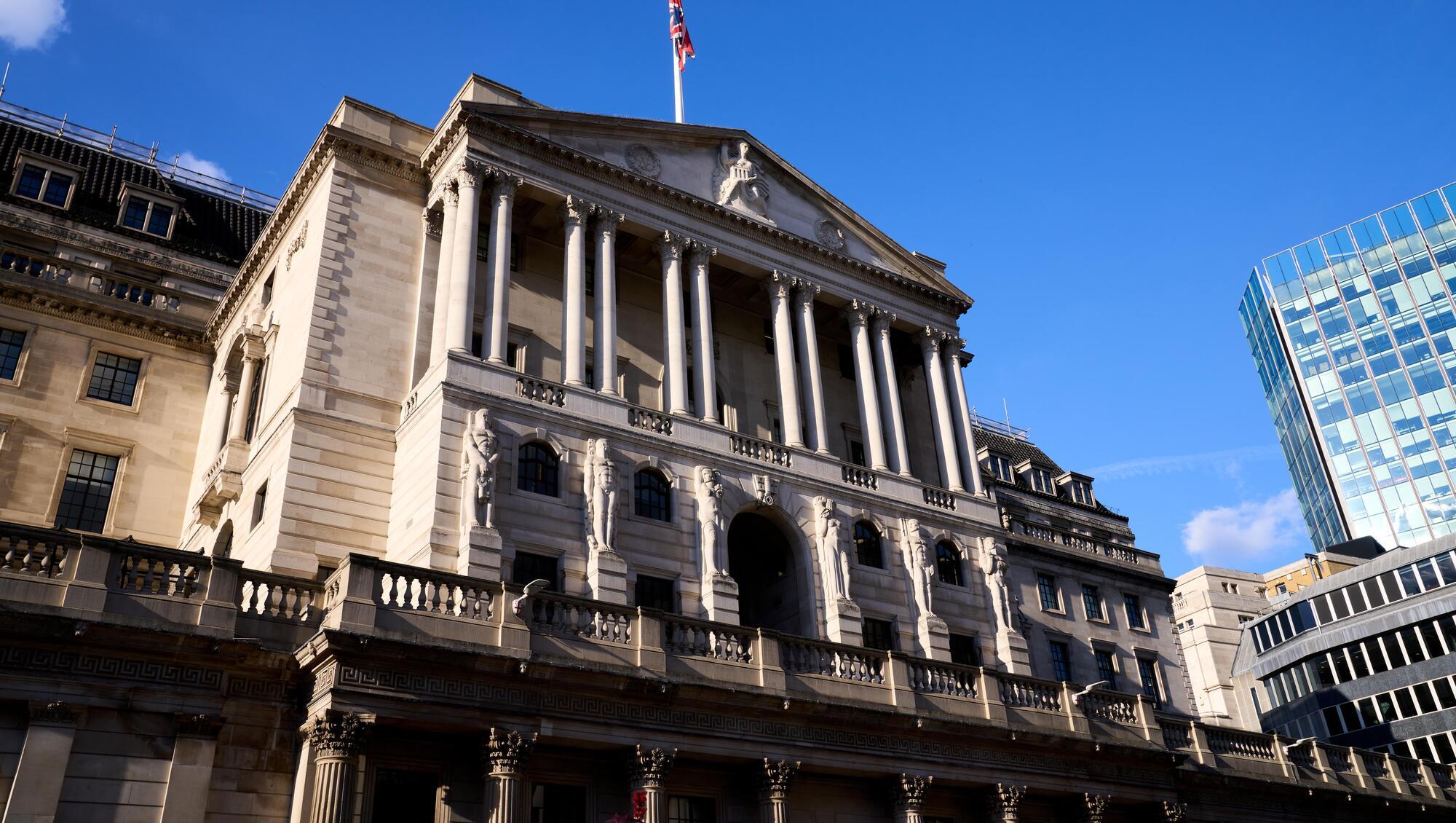
The Bank of England. Rates have increased for the 13th consecutive time to the highest level since 2008.
The Bank of England has raised interest rates by a half point to 5% as it intensifies its efforts to tackle stubbornly high inflation, adding to the strain on households struggling with soaring mortgage costs.
In what will be seen as a major move, the Bank’s monetary policy committee (MPC) increased rates for the 13th consecutive time to the highest level since 2008. Before the decision was announced, financial markets were evenly split on whether the Bank would vote for a half-point rise or a smaller quarter-point increase.
The latest rise in borrowing costs comes after figures on Wednesday showed inflation remained unchanged at 8.7% in May, driving expectations that the central bank would have no choice but to respond. Inflation was expected to fall to 8.4%, which would still have been well above the Bank’s 2% target.
Amid a growing sense of alarm over stubborn inflationary risks, the MPC said: “There has been significant upside news in recent data that indicates more persistence in the inflation process, against the backdrop of a tight labour market and continued resilience in demand.”
The Bank said that it would continue to watch for persistent inflationary risks, and would further tighten interest rates if necessary.
It heaps further pressure on the UK government as the prime minister, Rishi Sunak, faces calls to intervene to help mortgage holders struggling with soaring bills, either directly or by forcing lenders to be more lenient.
Responding to the move, the UK's finance minister Chancellor Jeremy Hunt, said the government’s resolve to bring down inflation was “watertight because it is the only long-term way to relieve pressure on families with mortgages. If we don’t act now, it will be worse later.”
Seven members of the Bank’s rate-setting panel, including the governor, Andrew Bailey, voted for a half-point increase, outnumbering two members — the independent economists Swati Dhingra and Silvana Tenreyro — who pushed for interest rates to be held steady amid concern over the impact on the economy from 12 previous hikes.
The move comes as households across the country face a surge in mortgage repayments as the impact from earlier rate hikes feeds through to the cost of home loans, in a development heaping pressure on the government as millions of families struggle with soaring bills.
In a fortnight of turmoil in the mortgage market, high-street lenders and building societies had rushed to pull hundreds of cheaper deals on new home loans ahead of the Bank’s latest decision, while pushing up the cost of a typical two-year fixed-rate mortgage above 6% – the highest level since Liz Truss’s disastrous mini-budget last autumn.
Borrowing costs have risen steadily since the Bank first began raising rates from a record low of 0.1% in December 2021. More than a quarter of mortgage holders are expected to come to the end of cheap deals struck before this time – leaving millions of people facing a “mortgage timebomb” of higher borrowing costs.
CONNECT WITH US TODAY



Be the first to know the latest news and updates