Aidan Flynn: Countdown to border checks at British ports 
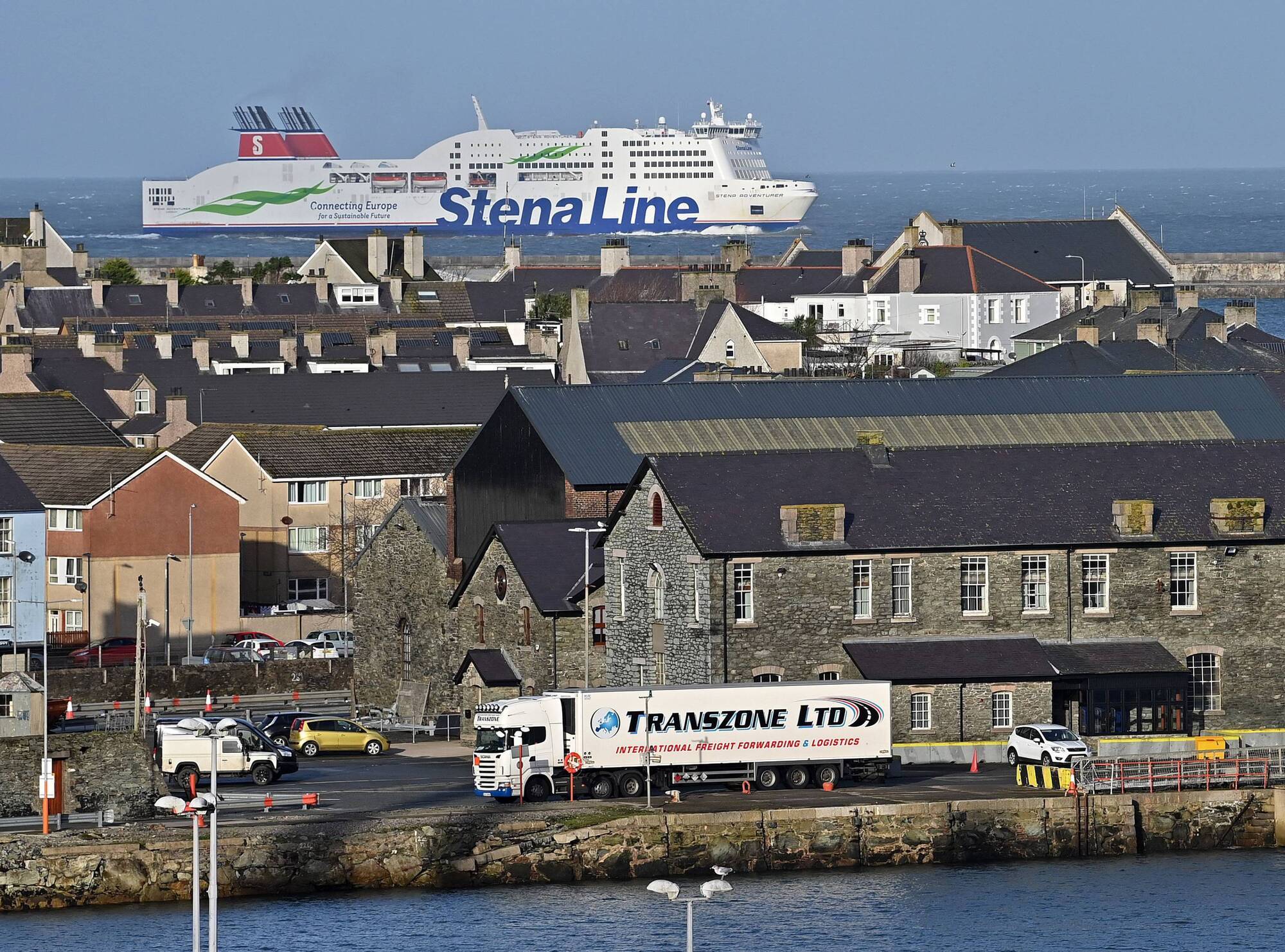
So far Irish exporters, particularly those involved in the export of food products, live animals, animal products, plants, or plant products, have been immune to the full impact of Brexit
Aidan Flynn: Countdown to border checks at British ports 

Britain recently published details of its Border Target Operating Model, a regime of new SPS and security controls on imports into the UK from countries inside and outside the EU. Picture: Getty

It’s almost the seventh anniversary of the Brexit referendum in the UK, but the fallout is still still being felt in Ireland with its major trading partner.

The Trade and Cooperation Agreement (TCA) that promised to deliver a “deep and meaningful relationship” between the UK and the EU, has in truth yet to be realised — the stumbling block having been the Northern Ireland protocol.

However, the Windsor Framework that replaced the proposed protocol will be introduced on a phased basis, commencing in September. It is designed to ease trade for goods moving between Britain and the North.

Ireland is the Britain’s sixth largest trading partner. Exports across the Irish Sea to Britain increased by €2.7bn, or 19%, last year, while exports from the Republic to the North surged by €1.7bn, or 31%.

So far, Irish exporters, particularly those involved in the export of food products, live animals, animal products, plants, or plant products to Britain have been immune to the full impact of Brexit, as the introduction of the sanitary and phytosanitary (SPS) checks and other control requirements at British ports has been delayed.

But that is now all changing, as Irish exporters of such products face new checks at British ports.

Britain recently published details of its so-called Border Target Operating Model that will introduce a regime of new SPS and security controls on imports into the UK from countries inside and outside the EU, at its various ports. The new controls will be required for businesses from Ireland when moving Irish goods from Irish ports to Britain from the end of October.

Health certificates will be required on imports of so-called medium risk animal products, plants, plant products, and high-risk food and feed of non-animal origin from the EU, including Ireland.

In addition, there will be a requirement to pre-notify imports of agri-food goods before they move to Britain.

These controls are similar to those required at EU ports for imports from the UK post Brexit and implemented since January 2021 when the transition period ended.

'Minimising trader burdens'

The UK Border Target Operating Model boasts of the ambition to minimise trader burdens and maintain border security, while remaining aligned with international standards through reducing safety and security data requirements to make it easier to submit data through the UK Single Trade window. The SPS controls will be based on a risk-based approach.

Simplified and digitised health certificates will be introduced to further assist with reduction of administration and paperwork for HGV drivers.

The British government maintains that its objective is to deliver ‘easements’ at ports. This ambition must be matched by exporter country’s ability to deliver reciprocal easements.

However, it is currently unclear if the Irish Electronic Health Certificate system will be ready and compatible with UK systems, and if the competent authorities have sufficient capacity to issue electronic health certificates for the required categories of goods.

The added complication of the new system is that hauliers of groupage loads — which combine several smaller shipments into the one load -- will face new challenges in mixing low-risk products with medium-risk goods.

They face the risk of full loads being stopped.

Understanding supply chains and the type of goods and the levels of risk categories is essential to ensure exports move seamlessly from October.

For goods moving between the North and Britain, the requirements for controls are covered under the Windsor Framework. Like all new systems it will take time to bed in.

But there is now a requirement that Irish exporting firms prepare for the new changes, and to be ready for the phased implementation of checks for exports to Britain from the autumn.

  • Aidan Flynn is the chief executive at Freight Transport Association Ireland.

x

More in this section

The Business Hub

Newsletter

News and analysis on business, money and jobs from Munster and beyond by our expert team of business writers.

Cookie Policy Privacy Policy Brand Safety FAQ Help Contact Us Terms and Conditions

© Examiner Echo Group Limited