Consumer Interests: Watchdog issues warning on dangerous gas cookers
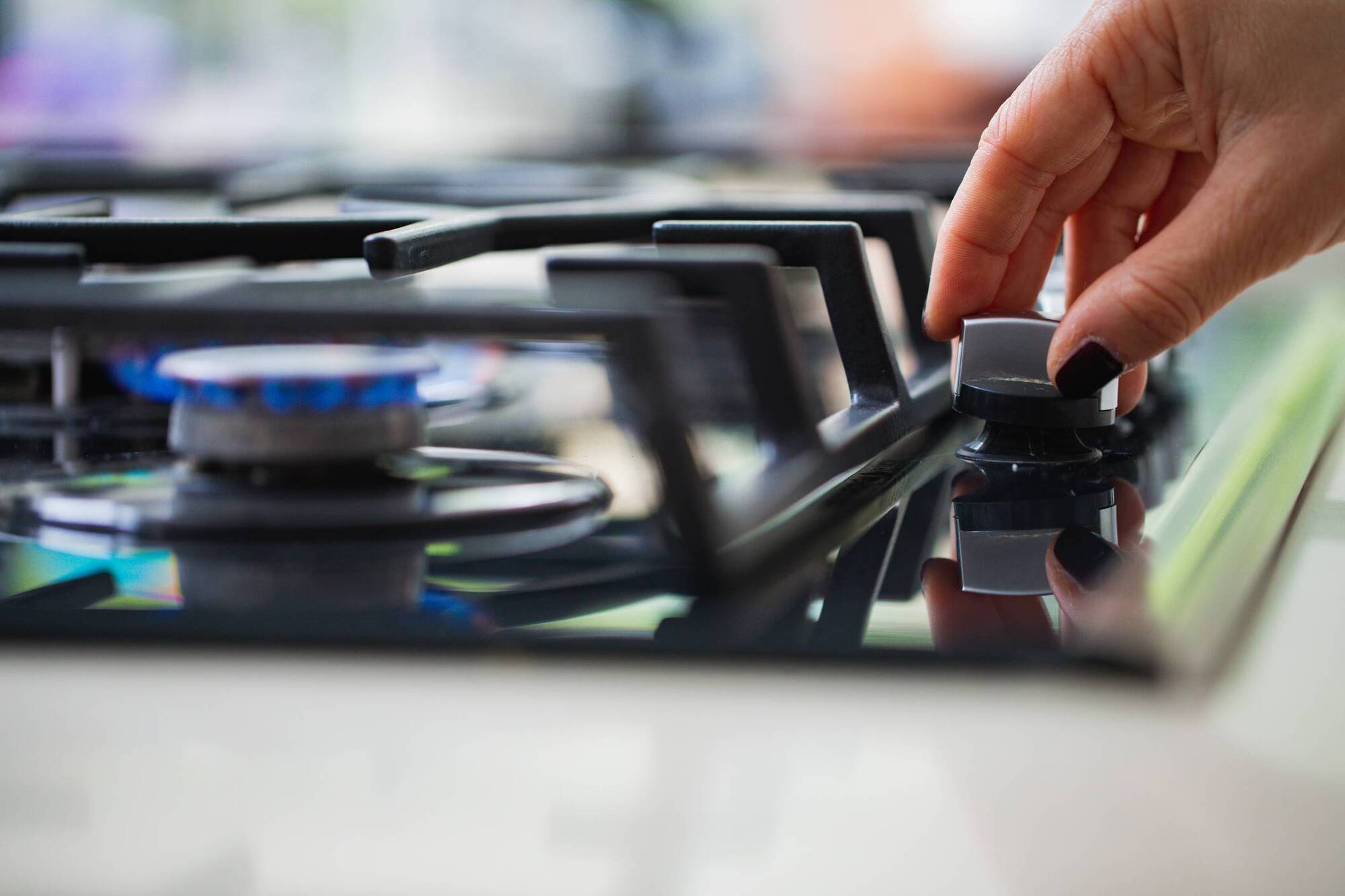
The manufacturer said it had made several attempts to contact affected customers, but to date, only a small number of Irish owners have arranged for their cookers to be made safe. File picture.
The Competition and Consumer Protection Commission (CCPC) is urging consumers who own gas range cookers affected by a potentially lethal fault to contact the manufacturer now for free modifications.
First identified last year, the safety issue affects Belling, New World and Stoves branded gas range cookers with a gas grill, specifically the 90, 100 and 110 models.
The manufacturer, Glen Dimplex Home Appliances Ltd, said it had made several attempts to contact affected customers, but to date, only a small number of Irish owners have arranged for their cookers to be made safe.
This safety alert was issued because the grill in these cookers can generate dangerous levels of carbon monoxide, a lethal gas when used with the door closed.
Affected customers are advised to contact Glen Dimplex immediately to have the grill fixed, and say the grill must only be used with the door open until it is modified.
CCPC director of communications Grainne Griffin is urging consumers to check their cooker immediately to see if it is one of the affected models, and if so, to contact Glen Dimplex as soon as possible to arrange for modification.
"While items should always be produced in line with safety standards, sometimes faults can emerge after purchase. This is why it is always a good idea to register your details with the manufacturer so they can contact you with important updates and safety alerts like these.”
Affected customers should arrange for modifications by contacting Glen Dimplex Home Appliances Ltd on 01 691 7111 or consumersupport@glendimplex.com.
Consumers who previously bought one of the affected models but have sold it on or given it away are also asked to get in touch with Glen Dimplex in order to help locate the new owners.
You can find more information on how to identify the affected models at ccpc.ie.
While this product alert ranks among the more serious of those issued by consumer authorities, product recalls and alerts happen all the time.
‘Safety Gate’ is an EU-wide system that allows consumer authorities across the EU to share information about dodgy non-food items. Each alert contains information on the kind of product detected as dangerous, a description of the risk and the measures taken to deal with it. Every alert is followed up by the other authorities, which take their own measures if they find the same product in their markets.
In 2022, authorities from the 30 participating countries of the Safety Gate network (EU member states plus Norway, Iceland and Liechtenstein) reacted to 2,117 alerts with 3,932 follow-up actions.
According to Safety Gate’s just-released annual report, risks related to chemical substances, injuries and choking were notified most often. Toys topped the list, followed by motor vehicles, cosmetics, clothing and electrical appliances.
The CCPC continues to highlight the risks posed to consumers by poor quality, unsafe or non-compliant products, and toys in particular. The commission has created a checklist of what to look out for to make sure consumers are safety aware.
First of all, check for the CE mark on children’s toys before you buy them. The CE mark is a manufacturer’s declaration that the product complies with EU safety regulations and standards.
The mark should be easy to see, either on the product, in the instruction manual or on the packaging. When buying toys online, check for the CE mark as soon as the package arrives. If there is no visible CE mark, send it back. Under consumer protection law, you have 14 days from when the goods arrive to notify the business that you wish to cancel your order, and a further fourteen days to return the goods.

Second, always buy from a reputable dealer. This will help you to avoid unsafe, non-compliant toys, or indeed toys with a fake CE mark.
If you are buying online, it can be hard to know who exactly you are buying from, so it is important to do a little research, check reviews and social media pages. If you cannot easily find where the business is based, approach with caution. And if the business is based outside of the EU, try and find an alternative trader with the EU so that you have the protections guaranteed by consumer law.
One of the biggest dangers for children is small or detachable parts of toys, because these can lodge in little ears, noses and throats. A €2 coin is good reference point. Anything smaller is a potential choking hazard for children aged up to three years.
Check age guidance instructions on all children’s toys, in particular those designed for children under three. Age labelling is the manufacturer's way of telling you whether the toys are safe for a child of a particular age. It is also important to consider any younger children who may be in the same house as the intended recipient.
Finally, check for sharp edges, long cords or cables. Be sure to avoid dangerous or fold-away parts, or small holes that could trap children’s fingers.
Product recalls are now a standard feature of the consumer landscape. Last Friday alone, the CCPC issued eight separate recalls. The products ranged from a life jacket to a toy piano. Very many of these recalls relate to products made available on large internet platforms like Amazon and eBay.
So what do you do if you have bought a product that has been recalled? First off, let the retailer know. It may turn out to be a once-off fault in which case you are entitled to a repair, a replacement, a reduction in the price or a refund. You will need proof of purchase such as a receipt or bank or credit card statement. If you are still not satisfied, get in touch with the CCPC.
If you hear about a product recall and think you’re affected, check the product recall details on the CCPC site. It may only be a specific batch being recalled, or it might just affect certain countries.
And if you are have found an unsafe product,