Irish workplaces becoming more stressful and absenteeism rising
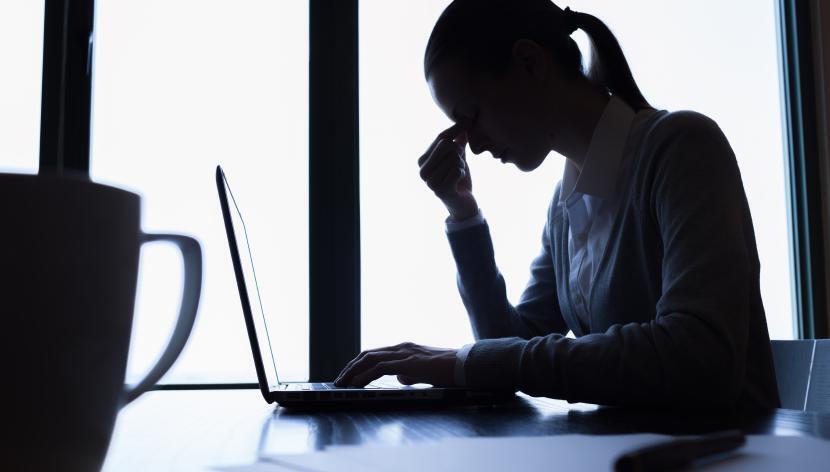
A third of respondents said working out of hours and almost a quarter of respondents said having little or no breaks affected their mental health.
Mental health-related absence is a growing concern for Irish employers, as more than half of employers recently surveyed reported that the proportion of absenteeism due to mental ill-health has increased in the last 12 months.
According to a recent study of health and well-being promotion in Irish companies, the majority of Irish employers are not investing enough in mental health supports within the workplace. The report includes results conducted on over 1,500 companies in Ireland led by Dr Jane Bourke of Cork University Business School at University College Cork, Professor Stephen Roper of Warwick Business School and Director of the Enterprise Research Centre and Niamh Lenihan of UCC and Munster Technological University.
“Mental health-related sickness absence is a growing challenge for Irish employers,” said Dr Burke. “The business costs of poor employee mental health and well-being can be substantial. However, employers are more likely to implement mental health and well-being initiatives that do not involve a financial outlay. In fact, only one in five firms have a dedicated budget for mental health.”
Niamh Lenihan commented that the report is a first step to understanding workplace mental health and wellness promotion by Irish employers: “Why are Irish employers, the majority of whom acknowledge their responsibilities, not investing in workplace mental health and well-being to a greater extent? It may be that the business case for investing in mental health and well-being is unclear to Irish businesses.”
Workplaces are changing as more employers allow staff to work from home, with the majority viewing remote and hybrid working positively.
Prior to the pandemic, 7% of firms in Ireland had employees who worked from home — while currently 32% of firms have employees that work from home. ‘Presenteeism’ — working when ill — is higher in Irish businesses (27%) compared to businesses in England (21%), a pattern which is consistent across sectors and firm size bands.
The most commonly cited reasons for presenteeism by Irish employers is the need to meet deadlines and client demand. Smaller firms are much less likely to be providing support for employee mental health and well-being, possibly due to resource constraints, more informal practices within smaller businesses and the lack of a distinct HR function
Key findings in the report — Healthy Workplace Ireland: A Survey of Mental Health and Well-being Promotion in Irish Firms — include:
- 80% of employers in Ireland are not investing in workplace mental health;
- 76% of employers see employee mental health and well-being as their responsibility;
- and 32% of employers have an organisational response to mental health and well-being.
Mental health-related sickness absence has increased post-pandemic, with 64% of employers stating that absenteeism — physical and mental-health related — adversely impacts business performance.
A workplace survey with 900 respondents released by Mental Health Ireland in 2022 showed a significant need for mental health support at work with both employees and employers agreeing that their job can be a direct challenge to their mental health. A high number of employees said that job stressors had a negative impact on their wellbeing.
A third of respondents said working out of hours and almost a quarter of respondents said having little or no breaks affected their mental health, while 90% of employers had noticed an increase in mental health challenges in the workplace since the pandemic.
Martin Rogan, CEO of Mental Health Ireland, said: “By attending to our mental health, we can avoid burnout, disengagement, absenteeism, and strained relationships in the workplace. Work plays an important role in all of our lives, supporting livelihoods, as a place where we can make a valued contribution, gain a sense of achievement as well as being a place for social connection.”
He added that the past two years have changed the world of work forever and we must embrace this new reality: “In a competitive labour market, at a time of full employment, employers understand that focusing on mental health in the workplace has never been more important.”


CONNECT WITH US TODAY



Be the first to know the latest news and updates