ECB back in spotlight after US Federal Reserve hikes rates by quarter point
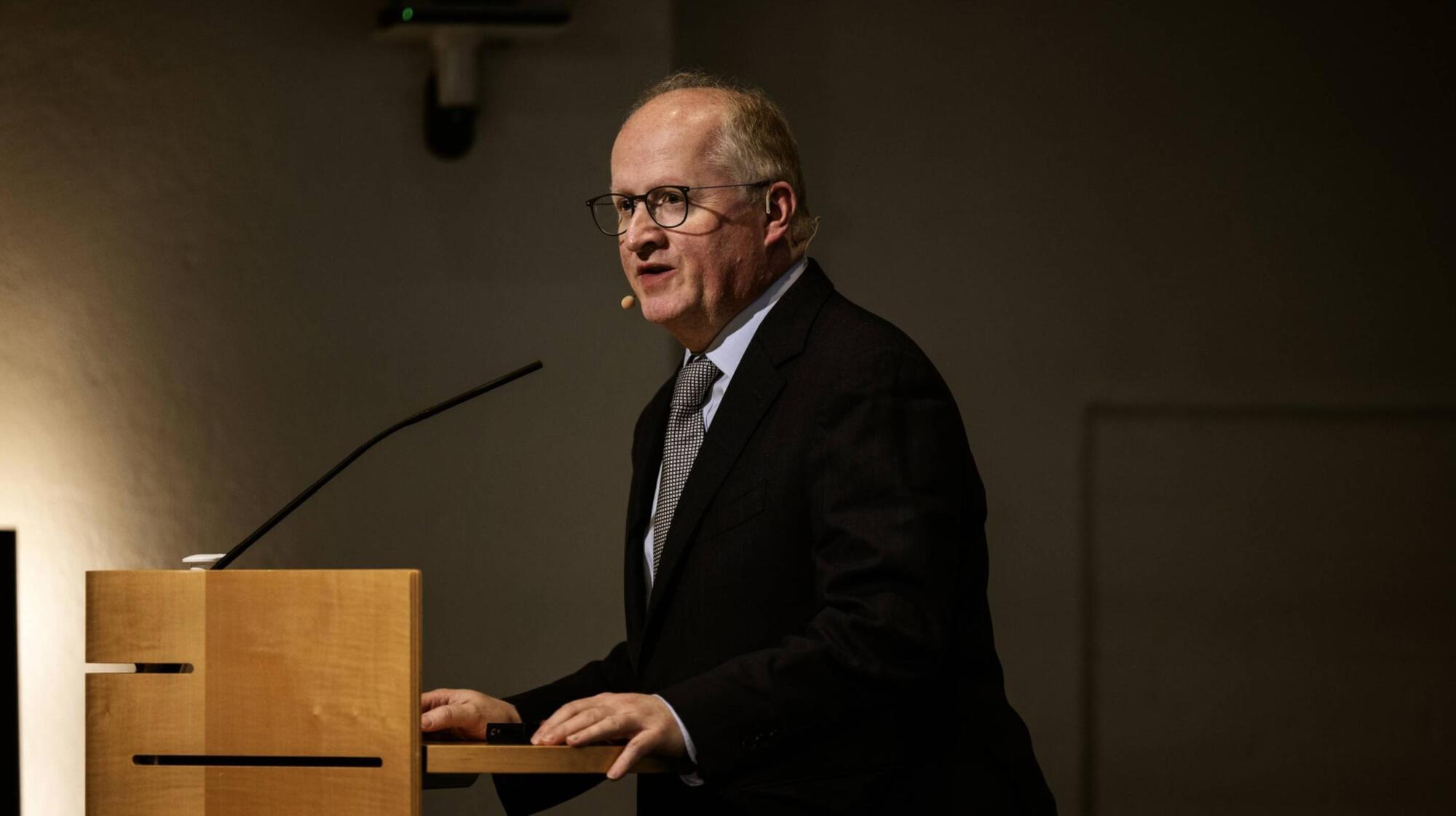
Philip Lane, chief economist at the ECB: Speaking before the US Fed rate hike, Mr Lane appeared to play down the the prospects for further fallout for the banking system
The US central bank unveiled a quarter-point increase in interest rates on Wednesday night, a move that will be studied for clues on future hikes by the European Central Bank here amid the global banking crisis.
The spectacular collapse in the last two weeks of four US banks, including Silicon Valley Bank, Signature, and lender Silvergate, has been partly blamed on the rapid rise of global interest rates starting last year, as global central banks aggressively fought against surging inflation.
The banking turmoil spread to Europe and led to the €3bn shotgun buyout last Sunday night of Credit Suisse by UBS, a fellow European banking giant.
The turmoil has widely been recognised as giving the Federal Reserve and ECB reason to reconsider the speed of their rate hikes for fear that an overly aggressive campaign would expose further stresses in global banking and cause more banks to go under.
Wednesday's US rate hike of a quarter point compares with the hefty half-point increase that financial markets were expecting before the collapse of Silicon Valley Bank.
Announcing the quarter-point rate rise, Federal Reserve policymakers believe beating back inflation may require just one more interest rate hike this year. The spotlight now turns to the ECB and whether it can justify continuing with large rate increases.
Also speaking on Wednesday but before the US Fed's decision, ECB chief economist Philip Lane appeared to play down the the prospects for further fallout for the banking system from the high-profile failures of Silicon Valley Bank and Credit Suisse. He said that the market jitters may turn out to be "a non-event" for the outlook of interest rates.
Mr Lane — the former governor of the Irish central bank — added that a full-blown crisis that rewrites the outlook was unlikely.
ECB president Christine Lagarde had also weighed in on the banking crisis, saying that eurozone banks may become more risk-averse and cut lending volumes, implying the central bank may need to do less.
Meanwhile, leading economist Austin Hughes has questioned the policy of the ECB hiking rates to tame inflation, saying demand pressures were less elevated in Europe than in the US, and adding there was no compelling reason for the ECB to follow the Fed. The ECB "should decouple" from the US central bank over interest rates, Mr Hughes said.
The Bank of England, which announces its own rate decision on Thursday morning, also faces a conundrum after new figures showed annual consumer price inflation there accelerated to 10.4% last month, following a sharp rise in core inflation that excludes prices of energy and food prices.
The British rate compares with inflation of 8.5% in the eurozone and 6% in the US.
Separately, Luke Ellis, chief executive of hedge fund Man Group has predicted that more banks will fail in the coming years. "I think we will have significantly more banks that don't exist in 12-24 months," Mr Ellis said, adding that he thought smaller and regional banks in the US and challenger banks in Britain could be at risk.


CONNECT WITH US TODAY



Be the first to know the latest news and updates