Chambers Ireland holding 'uncomfortable conversations' with network members about road projects
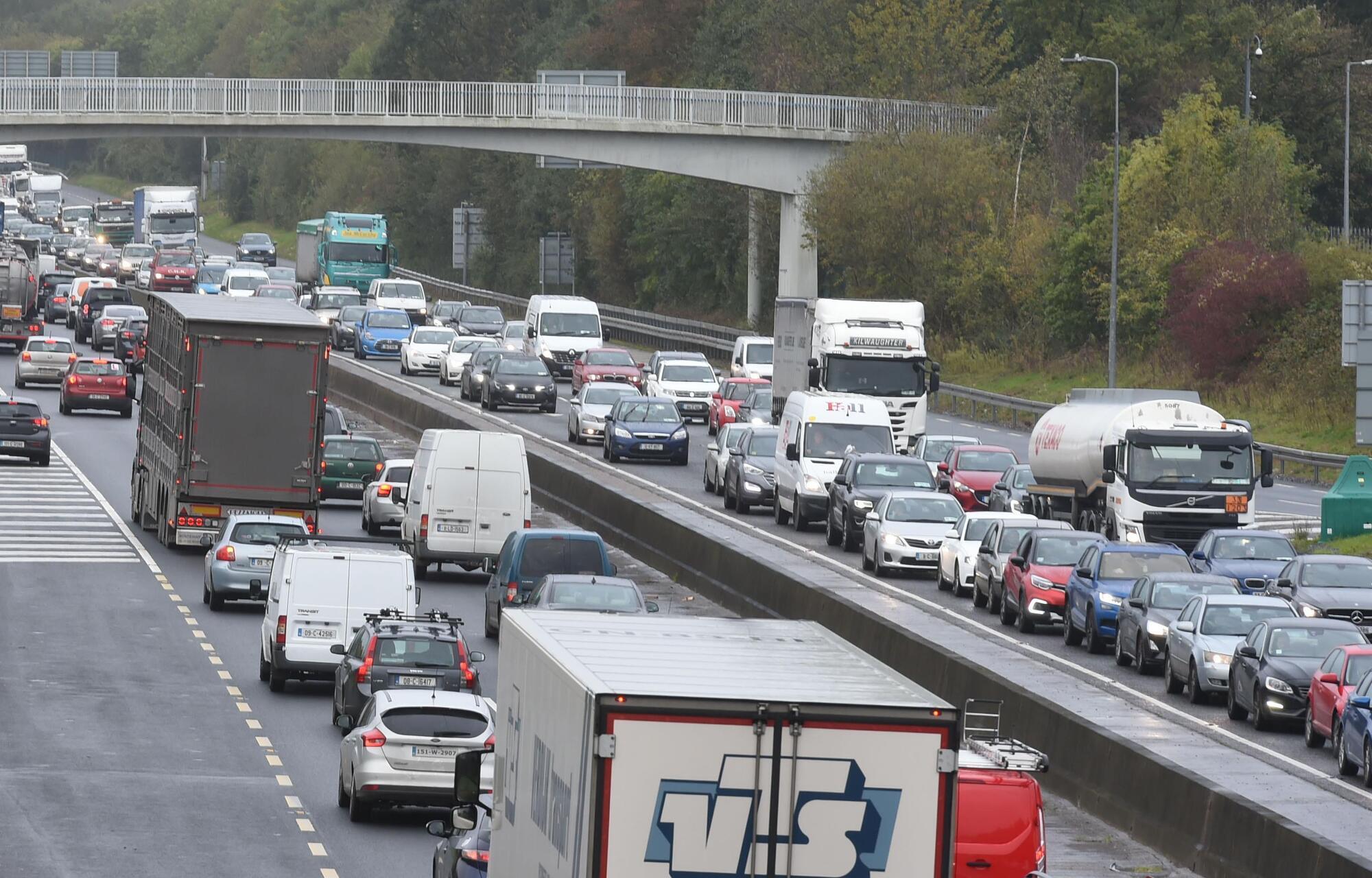
Chambers Ireland said cars 'have been undermining the economic potential of our cities and towns'. Picture: Larry Cummins
Chambers Ireland says “uncomfortable conversations” are happening within the chamber network about road projects, but that the business organisation was “trying to lead” in shaping decision-making.
Appearing before an Oireachtas Committee on Environment and Climate Action, director of policy and communications with Chambers Ireland Shane Conneely said it was advocating for better public and sustainable transport infrastructure, to provide people with an alternative to using cars.
“This is a key concern of our network because quality-of-life issues are making it harder for businesses to attract and retain staff across the country,” he said, adding long commutes by car have been “normalised” and are impacting quality of life, and “damaging households and communities”.
He also highlighted the impact cars have been having on urban centres across the country, saying “they have been undermining the economic potential of our cities and towns”.
The comments came as part of a wider discussion about the 17 UN Sustainable Development Goals (SDG) at the climate-focused committee.
Cathaoirleach of the committee, Green Party TD Brian Leddin, asked Chambers Ireland about business chambers across the country that have advocated and continue to advocate for road projects.
Recognising the leadership of Chambers Ireland in promoting more sustainable transport projects, he asked if there was a tension or challenge within the network as some local chambers continued to advocate for car-focused road developments, “undermining” efforts to achieve SDGs.
Mr Conneely said there were “uncomfortable conversations” happening within the chamber network about road projects, but Chambers Ireland was “trying to lead” in shaping decision-making.
He said it could be difficult when a road project has been delayed for 10 or 15 years, when personal credibility has become tied up in its delivery, and counterfactual beliefs that ‘if this was built 15 years ago everything would have been great’ cannot be disproven.
“This is part of a wider societal thing. I have sat down with individual board members, individual business members of chambers around the country, who really think this particular ring road will be the one that will solve all of their problems,” he said.
“Realistically, those things cost several hundreds of millions more than you think they’ll cost and when they’re brought in, you could have probably had a light rail system for the same price,” he added.
Mr Conneely said Chambers Ireland cannot issue any edict to the 39 independent chambers around the country about what approach to take with transport projects, but it has been “reshaping discussions” away from projects like motorways, and more towards transport corridors.
“I think that as things move forward we will see less of it, as individual chambers are not championing the same kinds of projects to the same degree as they used to,” he said.