Half of workers engage in out-of-hours work emails and calls
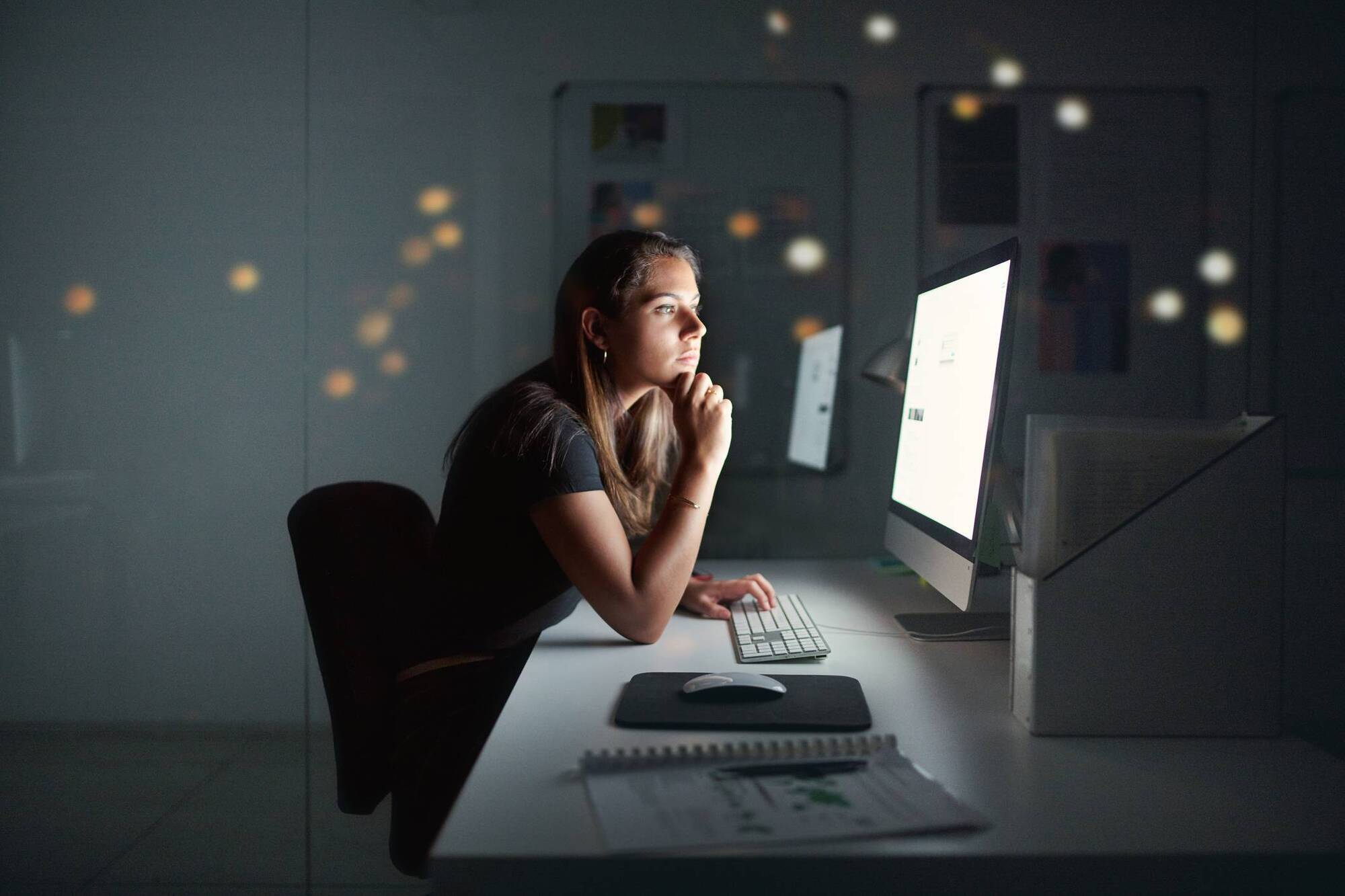
One in three (34%) said that their mental health and wellbeing have been regularly impacted by work in the last 12 months. Picture: iStock
Irish workers' mental health and wellbeing are being impacted by their work as they are not able to âswitch offâ, a new survey has found.
Conducted by HR consultancy firm, HR Buddy, nearly four in 10 people (37%) said they found it difficult to switch off from work while a further three in 10 (30%) said it could be improved. Only three in 10 respondents (33%) said that they did not find it difficult to achieve âswitch offâ.
One in three (34%) said that their mental health and wellbeing has been regularly impacted by work in the last 12 months while another 43% said itâs rarely impacted. Nearly one in 10 (8%) said they always suffer, due to work related issues. Just 15% chose the option of âneverâ, when asked if their mental health and wellbeing had been impacted by their work.Â
These results however, are a slight improvement on the same survey conducted a year previously.
"It is evident that following on from last yearâs research in this area, that we still have problems in workplaces with regard to the 'always-on culture' and how mental health and wellbeing can be impacted by this," HR Buddy founder Damien McCarthy said.
"It is incredible to think that the 'right to disconnect' code of practice has not achieved its purpose with two-thirds of workers saying that they were not aware of this as a policy in their workplace. This is something that workplaces need to focus on and ensure that policies, training, communication and culture is created within workplaces."
The survey also revealed that the majority of workers (55%) engage in out-of-hours work emails and calls. However, 46% of those said that this was their decision and not because they felt obligated by their employer to do so, nearly two in 10 (17%) said it was a combination of it being their decision but also felt it was expected of them. Nearly four in 10 (37%) said it was only because their employer expected it of them.
When asked if their workplace actively discouraged employees from sending out-of-hours emails, nearly two-thirds of respondents (63%) said ânoâ with only 37% saying their employer actively discouraged out-of-hours work emails.
A third of respondents said they did have a âRight to Disconnectâ policy. However, 25% said they did not while four in 10 (40%) said they werenât sure if their workplace had such a policy. The âRight to Disconnect from workâ was introduced and signed by TĂĄnaiste Leo Varadkar, as a code of practice in April 2021.
"The fact that the code of practice on the right to disconnect is not achieving its goal is worrying," McCarthy said. "There are further opportunities coming up with the 'right to request remote working' and the Work-life balance bill later in the year."
"What is clear is that legislation alone is not working, these need to be backed up with supports to employers and workers to ensure that a full understanding and successful implementation is achieved. We appear to have a broken system of improvement and we need more joined up thinking and whole thinking between employers, employees and the State in order to achieve that."
"There are now over 2.7 million people at work in Ireland for the first time and a more whole approach between all stakeholders could help achieve better results. Employers need help from the government in making new employment legislation work," he said.