Shares in AIB and Bank of Ireland drop all gains made since start of year
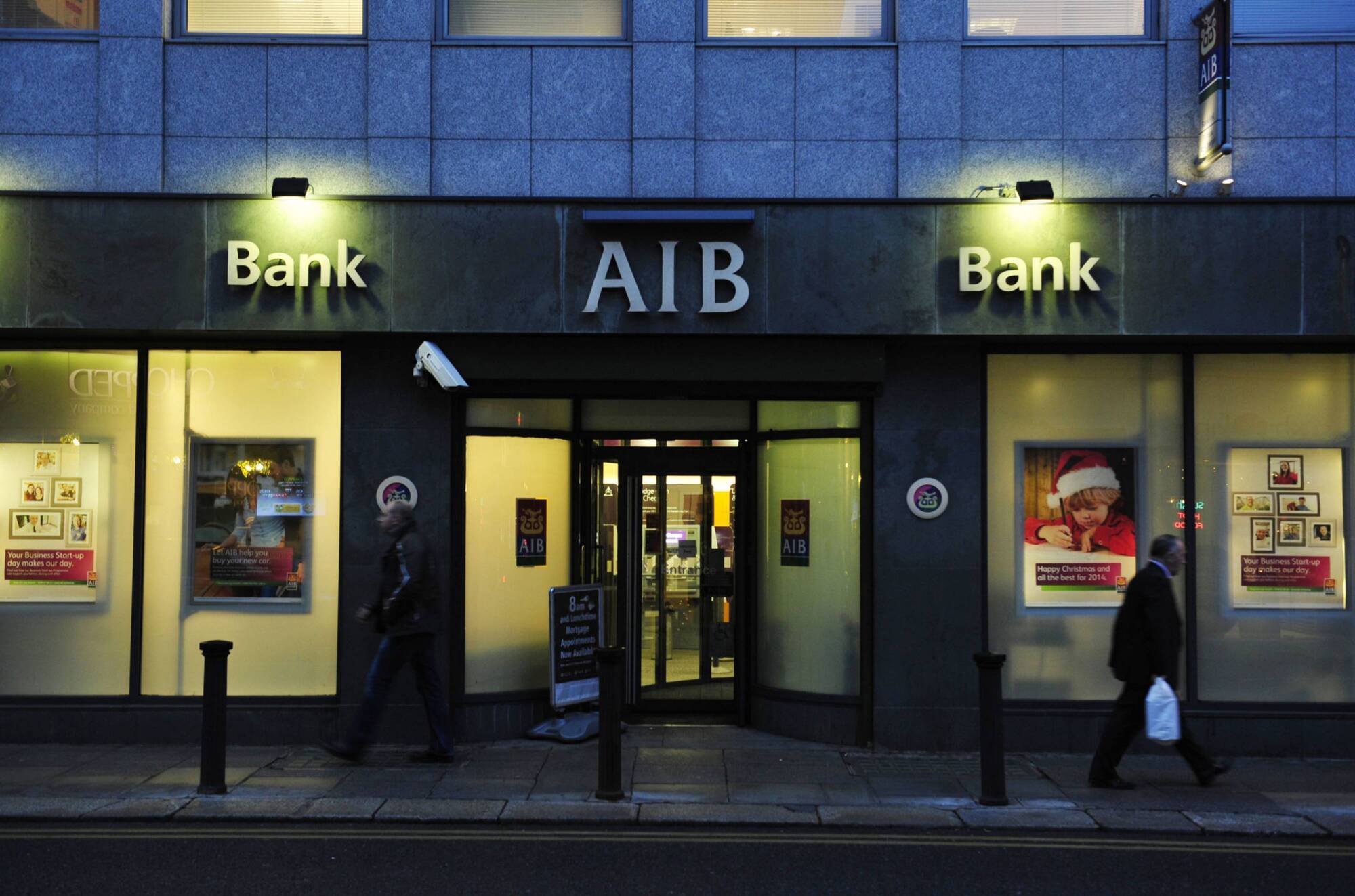
Irish banks' stocks caught up in the global banking turmoil as ECB moves to reassure markets that eurozone lenders are safe
Shares in AIB and Bank of Ireland drop all gains made since start of year

AIB shares closed 2% lower in The St Patrick's Day session, marking losses of up to 7% this week. Stock picture

AIB and Bank of Ireland shares fell today after being caught up in the turmoil swirling around global banking, as the European Central Bank said eurozone lenders were safe.

Irish banks were among the best stockmarket performers in Europe in the past year, but they have now lost all the gains clocked up in market value worth many billions of euro since the start of this year.

AIB and Bank of Ireland shares closed 2% and 1% lower respectively in the session, marking losses of up to 7% this week, valuing both lenders at around €9.5bn.

Their shares, however, have still locked in huge gains from a year ago as investors hailed potential profits after the lessening of competition with the exit of Ulster Bank and KBC Bank from Ireland.

Bank shares around the world continued to reel following the collapse last weekend of US banks, including Silicon Valley Bank, and the closure of Signature Bank.

The contagion spread this week to US mid-size lender First Republic and Credit Suisse, one of Europe’s largest lenders. Their troubles continued today. On Thursday, large US banks swooped in to rescue the San Francisco-based lender, while Credit Suisse tapped an emergency Swiss central bank loan of up to $54bn (€51bn) to shore up its liquidity.

However, supervisors at the ECB see no contagion for eurozone banks from recent sector turmoil, Reuters has reported.

The ECB held an ad hoc supervisory board meeting, its second this week, to discuss the stresses and volatility in the banking sector in an unusual move ahead of a scheduled one next week.

Jean-Claude Trichet, who headed the ECB at the height of the eurozone debt crisis over a decade ago, said the banking market turmoil on both sides of the Atlantic showed how global markets were interconnected.

“We are living in a global village,” he told CNBC. On Credit Suisse, Mr Trichet said that it had long been the weakest bank in Europe, and praised the action taken by banking regulators.

Ratings firm DBRS said there were big differences between US and EU lenders, and that “EU banks have a lower exposure to fixed income securities, more stable deposit bases, a regulatory framework that includes tighter interest rate risk-management policies even for smaller banks”.

“Nevertheless, we are closely monitoring EU banks’ liquidity positions as well as their exposure to fixed income securities,” the ratings firm said.

Capital Economics chief market economist John Higgins said that US lenders may face more turmoil.

“US banks’ problems may have only just begun, but we doubt a global financial crisis 2.0 is on the cards,” he said. Capital Economics also said that it was “too soon to conclude that eurozone banks will escape liquidity issues on the back of troubles at US regional banks and Credit Suisse”.

“But there are some reasons for cautious optimism. With that in mind, we are sticking to our forecast that the ECB deposit rate will peak at 4% later this year,” it said.

x

More in this section

The Business Hub

Newsletter

News and analysis on business, money and jobs from Munster and beyond by our expert team of business writers.

Cookie Policy Privacy Policy Brand Safety FAQ Help Contact Us Terms and Conditions

© Examiner Echo Group Limited