British supermarkets impose rationing due to vegetable shortages
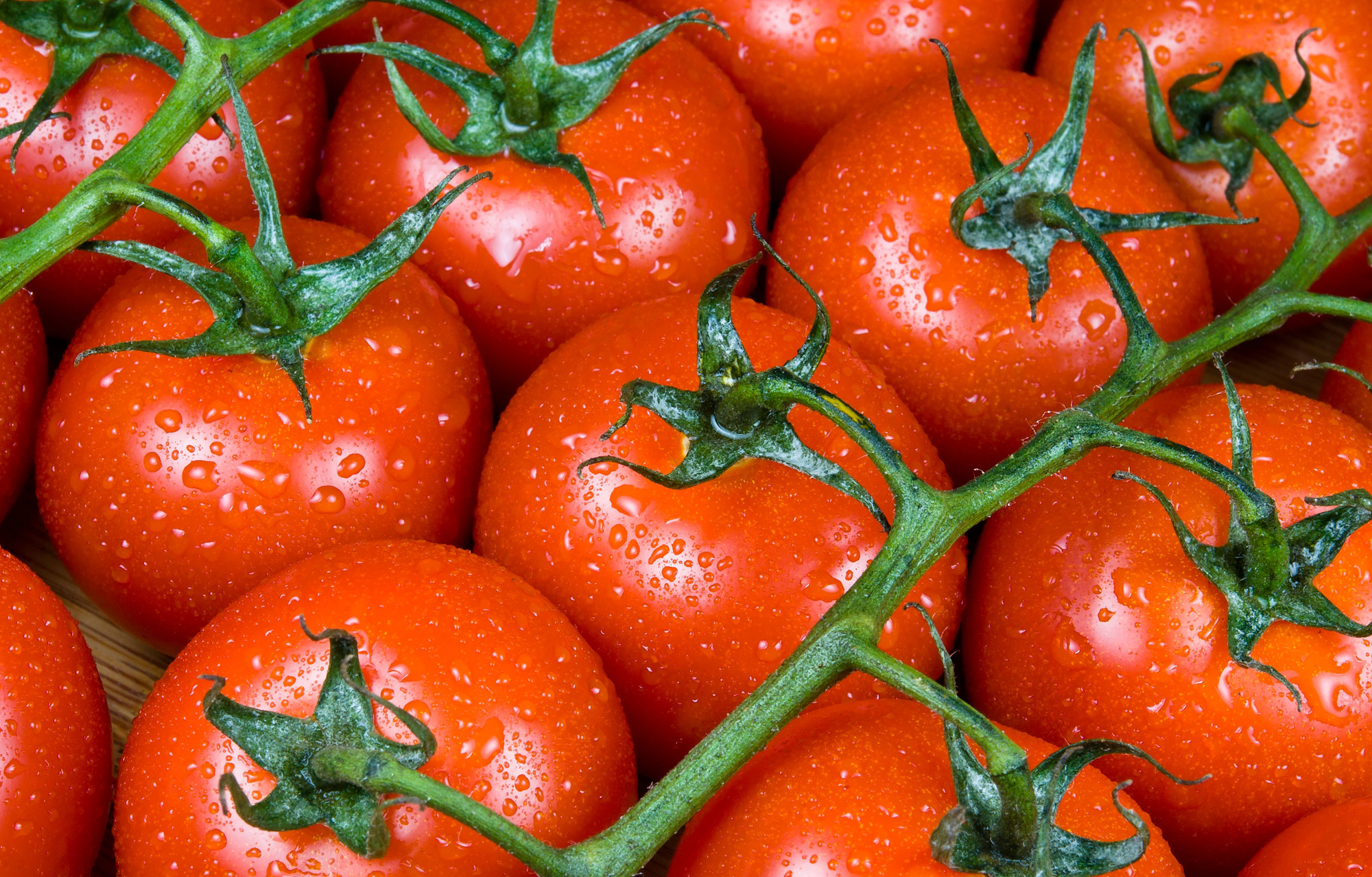
Social media was awash with pictures of empty fruit and vegetable shelves in Britain, with tomatoes in particular short supply. Picture: Alamy Stock
Britain is facing a shortage of vegetables, particularly tomatoes, after supermarket supplies were hit by disrupted harvests in southern Europe and north Africa, prompting two major grocers to limit customer purchases.
Asda, Britain's third largest grocer, said it had introduced a temporary three pack limit for purchases of tomatoes, peppers, cucumbers, lettuce, salad bags, broccoli, cauliflower, and also raspberries.
“Like other supermarkets, we are experiencing sourcing challenges on some products that are grown in southern Spain and north Africa," an Asda spokesperson said.
Rival Morrisons said it would impose a cap of two items per customer across tomatoes, cucumbers, lettuce, and peppers from tomorrow.
Social media was awash with pictures of empty fruit and vegetable shelves in Britain, with tomatoes in particular short supply.
Other European countries appear less impacted than Britain, with German wholesaler Metro saying it was unaffected.
The British Retail Consortium, or BRC, which represents all the major supermarkets including market leader Tesco and No 2 Sainsbury's, said the supply issues were industry wide.
It said difficult weather in southern Europe and northern Africa had disrupted the harvests of a range of crops. Andrew Opie, the BRC's director of food & sustainability, said.
Grocers said the situation was exacerbated by less winter production in greenhouses in Britain and the Netherlands due to high energy costs.
Though largely self-sufficient in the summer, Britain typically imports 95% of its tomatoes and 90% of lettuces from December to March, according to BRC data.
Britain is particularly reliant on Spain, and increasingly Morocco, which earlier this month barred exports of tomatoes, onions, and potatoes to West African countries to reduce domestic prices and protect exports to Europe.
Spanish producers also expressed concern. "The situation is beginning to be worrying, as some companies are starting to have problems in meeting their clients' schedules," the Association of Fruit and Vegetable Producers' Organisations of Almeria said in a statement.
Waitrose executive director James Bailey said extreme weather rather than Brexit was to blame. "It's been snowing and hailing in Spain, it was hailing in North Africa last week, that is wiping out a large proportion of those crops," he told .
"Give it about a fortnight and the other growing seasons in other parts of the world will have caught up and we should be able to get that supply back in."
A spokesperson for Marks & Spencer said the group was not immune from the supply issues but had mitigated by sourcing from alternative growing markets.
Last year Britain's grocers suffered supply disruptions due to Russia's invasion of Ukraine, but availability improved before Christmas, except for eggs.
- Reuters
CONNECT WITH US TODAY



Be the first to know the latest news and updates