Eoghan O'Mara Walsh: Consumers will pay the price if Vat increases
Hopes of difficulties being in the rear-view mirror have quickly evaporated. Global economic headwinds, inflation, and the energy crisis have all meant that there is now considerable unease about the outlook for 2023
Eoghan O'Mara Walsh: Consumers will pay the price if Vat increases

2022 ended up being much better-than- anticipated year in the tourism industry and it is estimated that 7m international tourists came to Ireland.

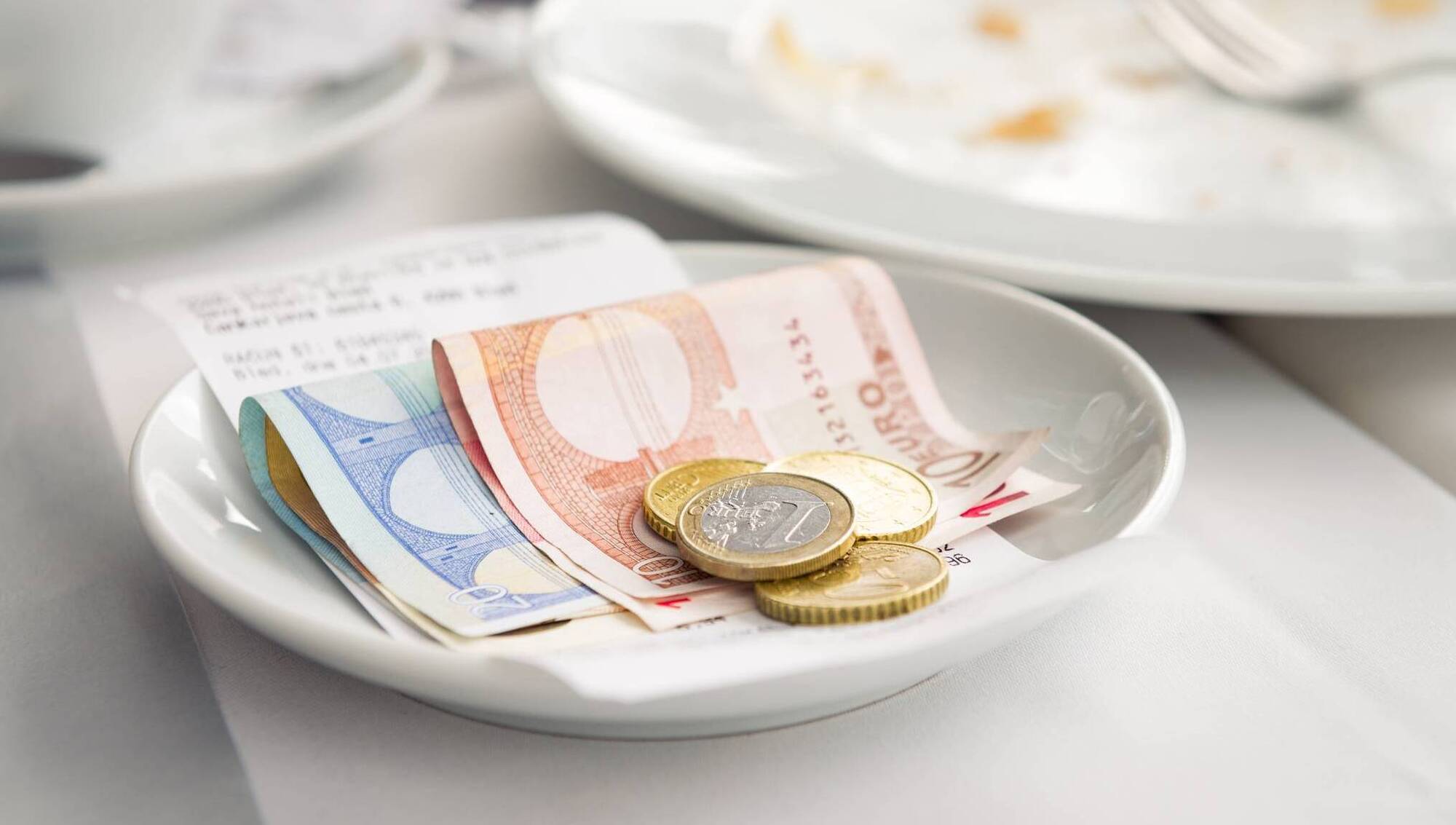
Imagine holding the levers of power at a time of significant inflationary pressures and deciding to heap an extra 4% onto the price of accommodation and food services?

Let’s say that everything from your lunch in a local cafe to your wedding banquet, from your well-deserved stay in a hotel, to your Easter visit to a family attraction, would be 4% more expensive from March 1 onwards.


And all because of a willful Government decision to go ahead and increase the 9% Vat rate as scheduled at the end of next month? Daft.

A recent report by economist Jim Power makes the definitive case for an extension of the 9% rate. Mr Power’s report identifies 20,000 tourism and hospitality businesses in the country, the vast majority of whom are labour-intensive SMEs with modest profit margins. 

All are wrestling with escalating costs elsewhere from energy to insurance, and Mr Power’s analysis is that a Vat increase will simply have to be passed on to the consumer. Therefore, prices are set to rise.

Of even more concern than the inflationary impact is the fact that a Vat hike will soften demand and as many as 24,000 jobs in the sector will be at risk.

It was this time last year, pretty much to the day, that the former Taoiseach Micheál Martin surprised the nation by announcing the lifting of nearly all pandemic restrictions.

In terms of economic impact, Covid-19 was particularly ruinous for Ireland’s tourism and hospitality sector which was either closed or part-closed for the whole period of the pandemic. 

Once restrictions were lifted though, tourism activity surged thanks to pent-up demand combined with accumulated savings.

Outdoor dining at a selection of cafes in Bantry, Co Cork. Picture: Eamonn Farrell/RollingNews.ie

Last year ended up being much better than anticipated and it is estimated that 7m international tourists came to Ireland.

However, hopes of difficulties being in the rear-view mirror have quickly evaporated. 

A reliance on the industry

Global economic headwinds, inflation, and the energy crisis have all meant that there is now considerable unease about the outlook for 2023.

In this context, Government’s decision to increase the tourism Vat rate by 50% as planned next month is nothing short of inexplicable.

Hopefully new Finance Minister Michael McGrath heeds these warnings and quickly gives the industry certainty about the 9% Vat rate going forward.

Another cause of significant concern for Irish tourism, Ireland’s largest indigenous industry and biggest regional employer, is the Government’s over-reliance on  tourism accommodation providers to house asylum seekers and Ukrainian refugees.

Latest departmental figures show that nearly one in three of all tourism bedrooms are now no longer available to the tourism economy due to Government contracts.

While hotels and guesthouses are part of the solution to accommodate refugees, they cannot be the main solution. 

If this level of accommodation is unavailable to tourism this summer, it will pose a major problem, particularly for downstream businesses such as shops, attractions, pubs, restaurants, cultural experiences, and inbound tour operators. 

The wider picture

Fáilte Ireland data clearly shows that for every €1 a tourist spends on accommodation, €2.50 is spent on ancillary tourism services.

Put simply, if there are few tourism beds in tourism regions next summer, there will be little tourism activity.

Take Kerry, for example, often quoted as the home of Irish tourism, where currently 36% of all tourism beds are unavailable. That is a lot of displaced American and European visitors who spend across the local and regional economy.

In Kerry — known as the home of Irish tourism — 36% of the tourism beds are currently unavailable. Picture: Dan Linehan

Furthermore, Government’s proposed clampdown on short-term lets, many of which are bonafide tourism businesses that have traded for years, also risks reducing tourism accommodation capacity just when it is needed most.

So, in this cold January, Irish tourism leaders are urging Government to defer the unwise Vat increase and to come up with a balanced two-year plan as to how refugees and asylum seekers are to be accommodated.

Taoiseach Leo Varadkar said recently that the same number of refugees are expected this year as last. The pressure on everything from services to accommodation will only get worse and such is the seriousness of the issue that a whole-Government approach is needed led by the Department of An Taoiseach.

The use of vacant buildings, State institutions, unused dwellings and modular housing, along with tourism accommodation stock, must be fully implemented.

From interest rate hikes to energy inflation, so much is beyond Government’s control. But decisions on Vat rates and how refugees are to be housed are very much within its control. Let’s hope the right decisions are taken.

Eoghan O’Mara Walsh is CEO of the Irish Tourism Industry Confederation

More in this section

The Business Hub

Newsletter

News and analysis on business, money and jobs from Munster and beyond by our expert team of business writers.

Cookie Policy Privacy Policy Brand Safety FAQ Help Contact Us Terms and Conditions

© Examiner Echo Group Limited