Ireland's tourism sector could contract next year
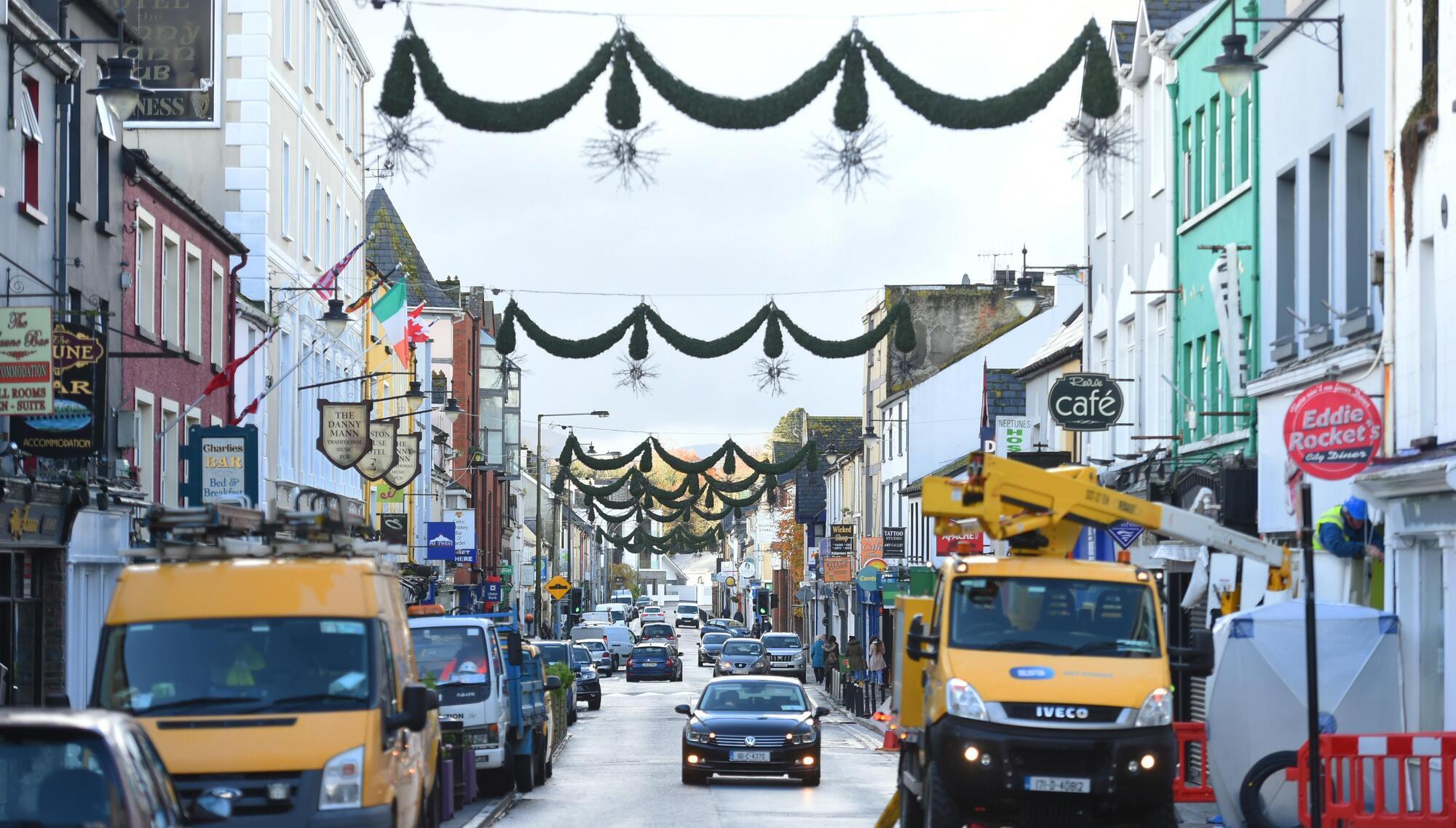
Killarney, one of Ireland's biggest tourism towns, has seen significant numbers of hotel beds utilised for Ukrainian refugees and asylum seekers. File picture: Larry Cummins
Ireland's tourism sector could contract next year and is unlikely to recover to pre-pandemic levels until 2026 at the earliest, the Irish Tourism Industry Confederation (ITIC) said.
The representative body blamed soaring inflation, the energy crisis, and the shortage of hotel beds due to Government contracts to house Ukrainian refugees and asylum seekers.
ITIC estimate that seven million international tourists came to Ireland this year, a 73% recovery compared to the pre-pandemic peak of 2019. They said the speed and strength of the recovery in travel to Ireland exceeded expectations and the surge in demand surpassed most industry projections.
However, they said estimates for next year range from a dip in this year’s performance to just single-digit growth.
Of the seven million international tourists this year, ITIC estimate that 2.6 million came from Mainland Europe down 28% on 2019, 2.4 million came from Britain (-30%), 1.5 million came from North America (-22%) while 0.46 million came from long-haul markets (-32%).
Looking forward, ITIC welcomed the growth in air access to the country but expressed significant concern that continued recovery would be threatened by rising costs and the impact of Government contracts with tourism accommodation suppliers.
Eoghan O’Mara Walsh, CEO of ITIC, expressed significant concern that accommodation supply would be severely restricted next year.
“We now estimate that at least 28% of all tourism beds in regional Ireland are not available to the tourism economy due to Government contracts. While hotels and guesthouses are part of the solution to accommodate refugees, they cannot be the only solution," he said.
"If this level of tourism accommodation stock is not available next year for international visitors it could cost the broader tourism industry up to €1bn in lost earnings”.
ITIC state that downstream businesses such as shops, attractions, pubs, restaurants and cultural experiences will be hit particularly hard. Fáilte Ireland data shows that for every €1 a tourist spends on accommodation, €2.50 is spent on ancillary tourism services.
"If there are no tourism beds in tourism towns next summer there will be no tourism activity and that will have a very negative impact on local economies," O’Mara Walsh said.


CONNECT WITH US TODAY



Be the first to know the latest news and updates