Consumer energy bills 'still to fully reflect rise in wholesale gas prices'
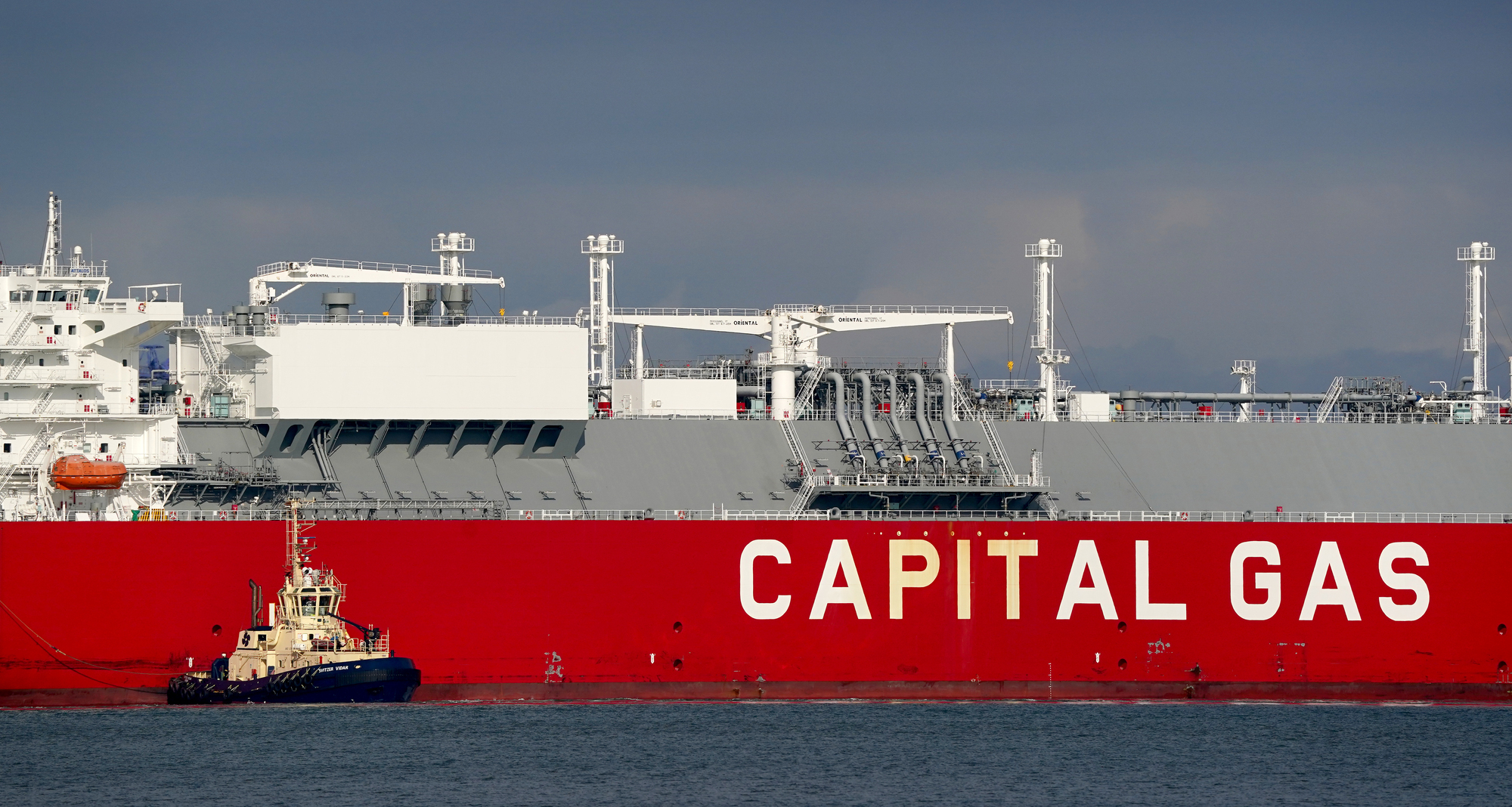
Wholesale gas prices have soared in Europe since Russia invaded Ukraine in February, helping to trigger the worst cost-of-living crisis and potential economic crises since the 1970s.
The huge spike in wholesale gas prices has still fully to be passed on to the utility bills for households and businesses, and the inflation shock will last longer than expected despite the best efforts of governments, a major report has warned.
Fitch Ratings, in an economic research bulletin called 'Gas Prices Unleash Huge Inflation Shock on Eurozone', said consumer energy prices have yet to fully reflect the rise in the wholesale gas prices.
Wholesale gas prices have soared in Europe since Russia invaded Ukraine in February, helping to trigger the worst cost-of-living crisis and potential economic crises since the 1970s.
On Friday, futures markets were showing that gas for delivery in December, although 6% down in the session, was still trading three times higher than prices a year earlier.
"Governments in Europe are responding aggressively to minimise rises in consumer energy prices as wholesale gas and electricity prices soar following the near-shut-off of Russian gas," the ratings firm said.
"Despite recent volatility, wholesale prices are likely to remain relatively high for some time, and a return to 2021 prices is unlikely, making it costly to maintain a wedge between wholesale and consumer energy prices.
The huge shock from wholesale gas spikes has spread across Europe, with eurozone countries such as Estonia, Latvia, and Lithuania that depend most on gas supplies from Russia, facing the highest levels of inflation, at more than 20%.
Governments have scrambled to spend billions of euro in subsidising utility bills this winter, including over €4bn for households and businesses earmarked by the Government here.
Fitch said that interventions by France and Spain have helped to limit to some extent the full rise in wholesale energy costs being passed onto consumers.
"Germany is the latest country to announce at end-September a package of up to €200bn (5% of GDP) to directly alleviate high energy prices," Fitch said.
"An expert commission has since proposed to subsidise 80% of the September 2022 level of consumption of consumers and businesses starting in March 2023," it said.
CONNECT WITH US TODAY



Be the first to know the latest news and updates