John Whelan: We are at the end of the low-cost airline ticket era
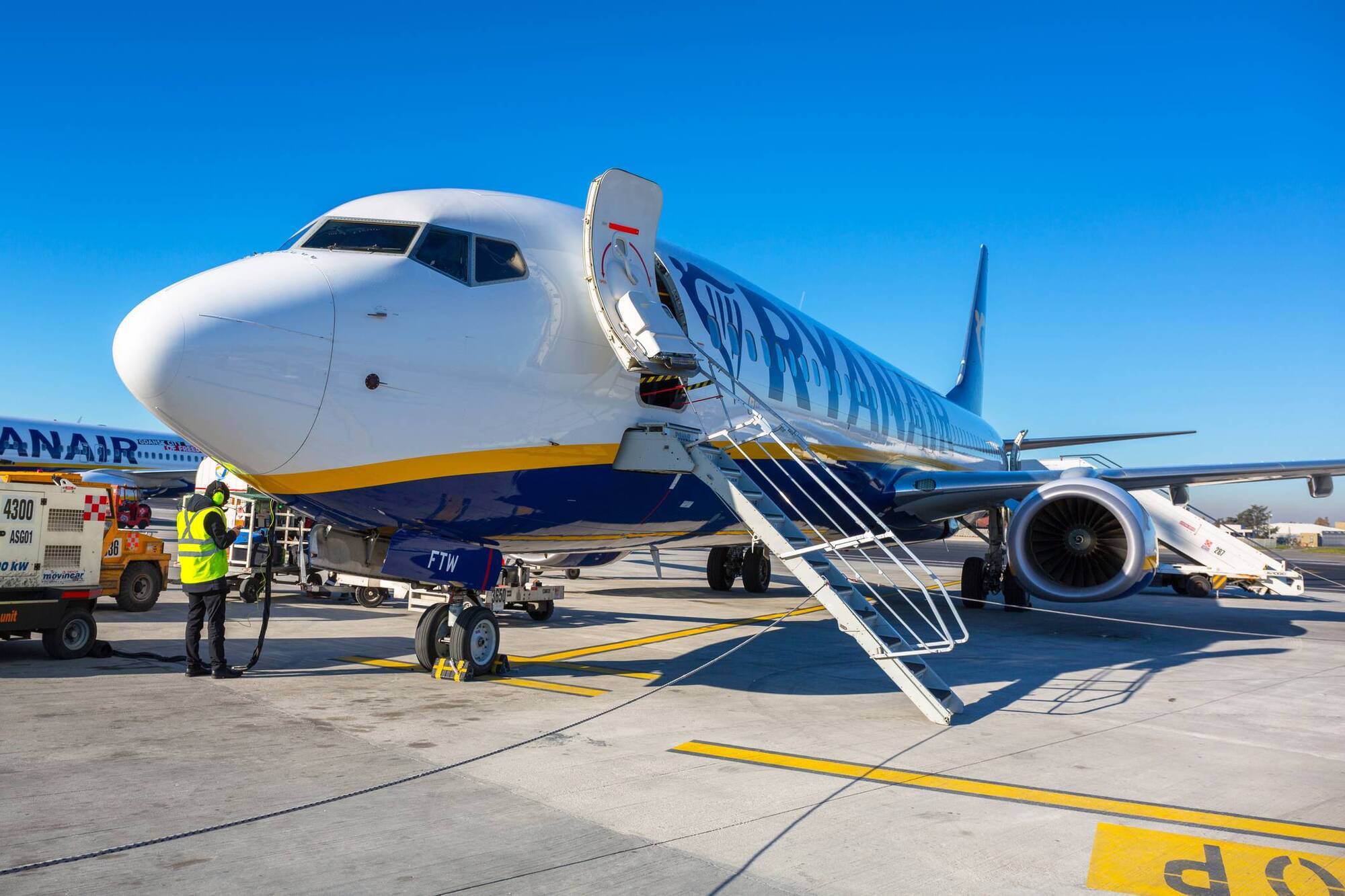
Ryanair looks to be best placed to hold out against the competition with 80% of its fuel consumption for 2022 hedged at $63 a barrel.
After a three-year roller coaster that sent many in the airline industry into liquidation, while others turned to their governments for bailouts to stay in business, the aviation industry bounced back this year.
However, the profitability of the industry has been damaged by the dramatic rise in fuel prices since the start of the year, placing pressure on airlines to raise ticket prices.
The restrictions in place during the pandemic unleashed a massive pent-up demand once they were lifted.
Demand for flights accelerated through the summer months, with Ryanair reporting 16.8m passengers carried in July, two million more than in 2019. It has been beating its pre-Covid numbers since March.
A significant part of the growth has come from Ryanair’s rapid expansion into Italy, according to Michael O Leary, who predicted that by the end of 2022, "we’ll probably be at 50% market share".
This would put Ryanair into a dominant position in the Italian market, well ahead of rivals ITA (formerly Alitalia) Wizz Air and EasyJet.
Surprisingly, none of the European short-haul carriers have, to date, increased their ticket prices due to the rapid rise in fuel prices, following the Russian invasion of Ukraine.
However, there is uncertainty as to how much longer the industry can hold back, as aviation fuel accounts for a quarter of the average airline's cost base according to the International Air Transport Association, and airlines are still recovering from losses incurred through the pandemic years.
Ryanair looks to be best placed to hold out against the competition with 80% of its fuel consumption for 2022 hedged at $63 a barrel, well below the current market rate.
Whereas Wizz Air, who took out a four-month hedge in March, is likely to be at a much higher rate than that of Ryanair.
The airlines that provide a mix of short-haul and long-haul flights, such as Lufthansa and British Airways, have opted for a mix of fuel surcharges on long haul and a hold on prices on short-haul, the latter as a competitive move to avoid further passenger losses to Ryanair.
In the US, the mainline carriers, Delta, United and American have increased prices as US airlines traditionally have not used the hedging mechanism to manage fuel price risks.
However, the industry is also under pressure to reduce its carbon emissions. Many airlines, such as Ryanair, have rushed to commit to emissions targets but most cannot say for sure how they will get there.
Ryanair is suggesting that sustainable aviation fuel (SAF) can do much of the heavy lifting as it seeks to reach net zero emissions by 2050. The company said that using greener fuel would help it to achieve more than a third of its emissions targets.
But SAF is extremely expensive and according to Willie Walsh, director general of IATA, will inevitably drive-up airfares. SAF, which is produced from waste oils, emits almost three-quarters less carbon than conventional aviation kerosene fuel, but it costs almost three times as much.
Ryanair last year committed €1.5m to fund a research partnership with Trinity College Dublin, which will cover topics such as the development of a more economically sustainable SAF.
Ryanair’s announcement that it intends to focus heavily on sustainable fuels, comes in the wake of the announcement by the Securities and Exchange Commission (SEC), the stock regulator in the US, that in the future companies under its watch may in future have to report their emissions in detail. Ryanair is listed on the Nasdaq and could be among the companies affected.
In July last year, the European Commission published a package of legislative proposals branded “Fit for 55”. One component of the package is the Refuel EU proposal which aims to force airlines to uptake 63% of SAF for each journey in and from the EU by 2050.
The twin impact of releasing aviation fuel to its current price and allowing for mandated uptake of more SAF green fuel in the coming years seems to indicate we are at the end of the low-cost airline ticket.

CONNECT WITH US TODAY



Be the first to know the latest news and updates