Jim Power: I worry about risks facing Irish small firms in the next few months
Jim Power: I worry about risks facing Irish small firms in the next few months

Central bankers are starting to panic and are now clearly taking the view that they will have to do whatever it takes to try to kill off the inflationary psychology that is building in the global system, even if this means pushing economies into recession.

It is quite extraordinary the extent to which unwelcome news is building globally. Inflation everywhere continues to scale new heights and what was once seen as a "transitory" problem seems to be becoming more embedded with every week that passes. 

Central bankers are starting to panic and are now clearly taking the view that they will have to do whatever it takes to try to kill off the inflationary psychology that is building in the global system, even if this means pushing economies into recession.

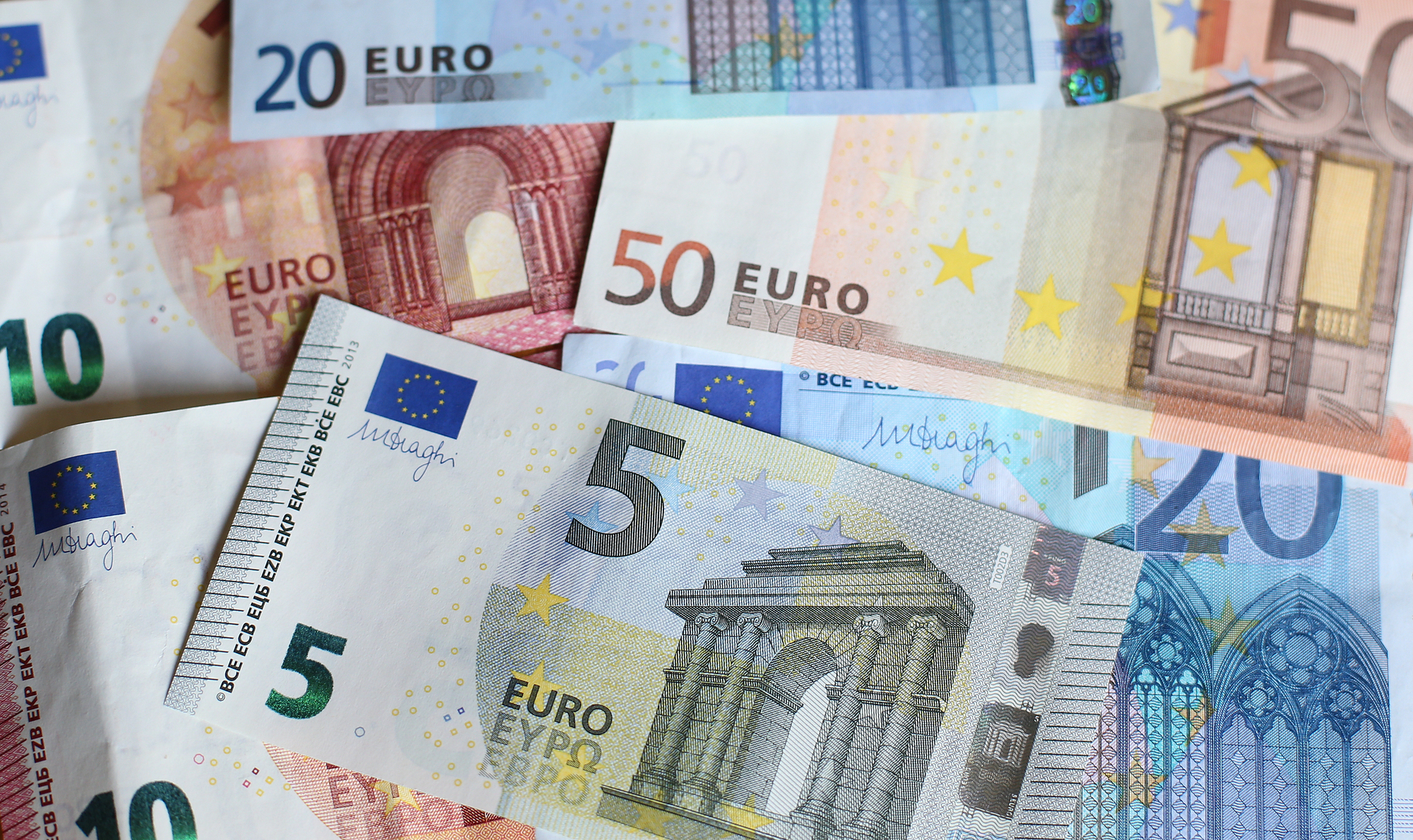
In quick succession, the European Central Bank hikes interest rates for the first time since 2011, the US Federal Reserve delivered the second consecutive hefty rate increase, and the Bank of England is tipped to do the same again this week. The US central bank has admitted that failure to bring inflation under control would be worse than tightening monetary policy too aggressively. 

I suspect the ECB is taking a similar view and recession in the eurozone looks increasingly possible over the coming months. Increasing interest rates in an environment where growth is coming under sustained pressure is quite reminiscent of the 1970s and 1980s.

In its July World Economic Outlook, the IMF pointed out that "a tentative recovery in 2021 has been followed by increasingly gloomy developments in 2022 as risks begin to materialise". 

It said that several shocks have hit a global economy that was already weakened by the pandemic. These shocks include higher-than-expected global inflation; tighter financial conditions; a worse-than-expected slowdown in China due to Covid-19 outbreaks and lockdowns; and further negative spillovers from the war in Ukraine.

The IMF is warning that the risks to the outlook are "overwhelmingly tilted to the downside". 

Apart from all that has materialised over the past six months, the main risks include the war in Ukraine leading to a sudden cessation of European gas imports from Russia and that inflation could be more difficult than anticipated to bring down, either if labour markets are tighter than expected or inflation expectations un-anchor.

The risks also include tighter global lending conditions that could induce debt distress in emerging markets and developing economies; renewed Covid-19 outbreaks and lockdowns and a further escalation of the property crisis might further suppress Chinese growth; and so-called geopolitical fragmentation that could impede global trade and co-operation.

These global news stories are ominous, and it is very questionable as to how much longer the Irish economy can withstand these strengthening global economic and financial currents. A US recession could have some implications for US multinational investment here, but I would not have too many concerns for large multinationals who have deep pockets and strong pricing power. 

In contrast, I would have much more concern about the challenges facing the diverse small and medium-sized enterprise sector, or SMEs, here, which accounts for 99% of companies and around 65% of private sector employment.

It is not terribly sensible to make generic statements about a sector of the economy that is characterised by hundreds of different activities, sizes, and attributes, but here goes: I do this safe in the knowledge that different companies will be affected in quite diverse ways by the emerging challenges.

Those that export will obviously be affected by a slowdown or possible recessionary conditions in the markets into which they sell. 

However, I would have much greater concern about the escalation of input costs and the limitations on the ability to pass on higher prices to consumers and other businesses that are being hammered by the cost-of-living crisis. 

On input costs, energy and labour costs are the two most obvious challenges, but raw material costs in general seem to be under considerable pressure. On the financing side, interest rates are starting to rise and look certain to rise further as the ECB continues to turn the screw on inflation. 

To compound the difficulties, the banking system here is now broken and small firms have little choice in an increasingly concentrated banking market.

I am worried about the risks to Irish small firms over the coming months. With the countdown already started to the budget next month, it is incumbent on Government to give real support to the SME sector rather than focusing on populist gimmicks to address a cost-of-living crisis that is largely outside of the control of Government.

More in this section

The Business Hub

Newsletter

News and analysis on business, money and jobs from Munster and beyond by our expert team of business writers.

Cookie Policy Privacy Policy Brand Safety FAQ Help Contact Us Terms and Conditions

© Examiner Echo Group Limited