Sky-high gas prices focus on key pipeline from Russia and Europe's heatwave
High temperatures raise concerns about increased energy demand for the electricity generated by gas turbines to power air conditioning units
Sky-high gas prices focus on key pipeline from Russia and Europe's heatwave

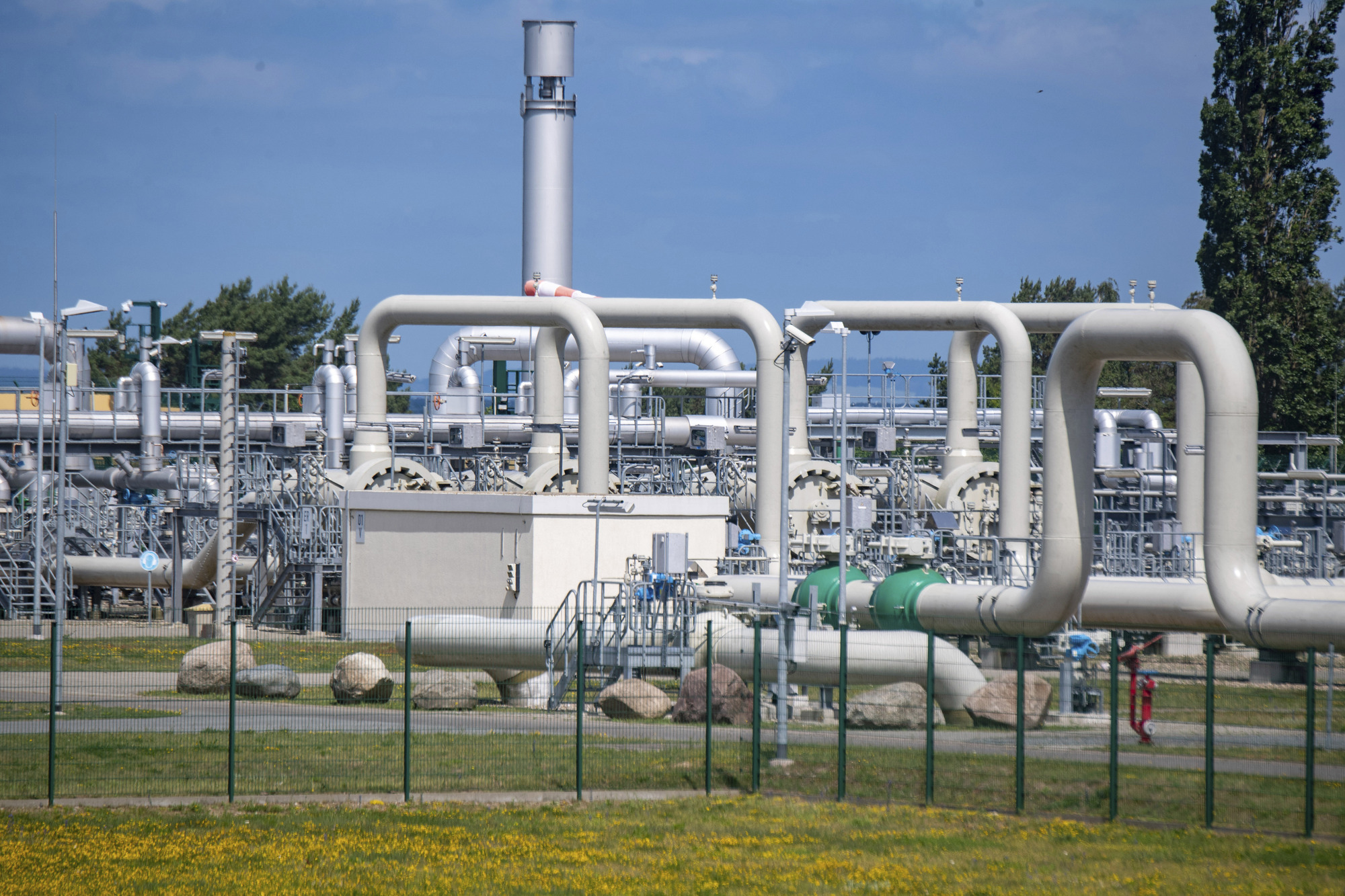
View of pipe systems and shut-off devices at the gas receiving station of the Nord Stream 1 Baltic Sea pipeline in Lubmin, Germany.

The prices of European wholesale eased slightly but remain at hugely elevated levels for next winter, suggesting traders fear about future gas from Russia whether or not gas starts flowing again along a key pipeline on Thursday.         

The heatwave across the continent has also added to concerns about increased energy demand for the electricity generated by gas turbines to power air conditioning units.            

For the past two weeks, the price of gas for delivery in September has risen as the Nord Stream 1 gas pipeline that delivers huge amounts of gas from Russia to Europe has been taken out for its annual maintenance. 

Traders have long feared that the gas won't start reflowing when the pipeline returns onstream on Thursday, should Moscow ramp up the economic war with the West that flared following the Russian invasion of Ukraine on February 24. 

Rebuilding storage

Germany has scrambled to preserve gas consumption this summer with an eye to rebuilding storage ahead of the winter, and the EU has responded by preparing non-mandatory guidelines for member countries to preserve gas consumption.                

However, the price of European wholesale gas prices for immediate delivery, in late summer, eased somewhat in trading on Monday, with the so-called Dutch TTF contract easing by around 1%. That suggests that traders are betting on the return of the Nord Stream 1 pipeline on Thursday.                                                  

Significantly, prices for European gas to delivered in the winter months remain at record high levels, with the contract for gas to be delivered in the winter months trading at €162.40 per megawatt per hour, up from only €22.75 per MW a year ago.

Elevated continental European gas prices influence Irish prices even though Ireland sources the bulk of its gas from the North Sea via gas interconnectors across the Irish Sea from Britain.                       

British gas prices have rebounded, after falling late last week as Norwegian flows increased after some outages ended, traders said.

The availability of French nuclear plants and other infrastructure was also a concern due to extreme heat conditions in Europe, traders added.

The UK-Belgium interconnector has been taken offline again due to adverse weather conditions which are limiting the rate of flows.

France's energy regulator said it was extending measures to help the Bugey nuclear plant cope with heatwave conditions. 

  • Additional reporting Reuters

More in this section

The Business Hub

Newsletter

News and analysis on business, money and jobs from Munster and beyond by our expert team of business writers.

Cookie Policy Privacy Policy Brand Safety FAQ Help Contact Us Terms and Conditions

© Examiner Echo Group Limited