Ulster Bank and KBC exits may hinder access to SME funding
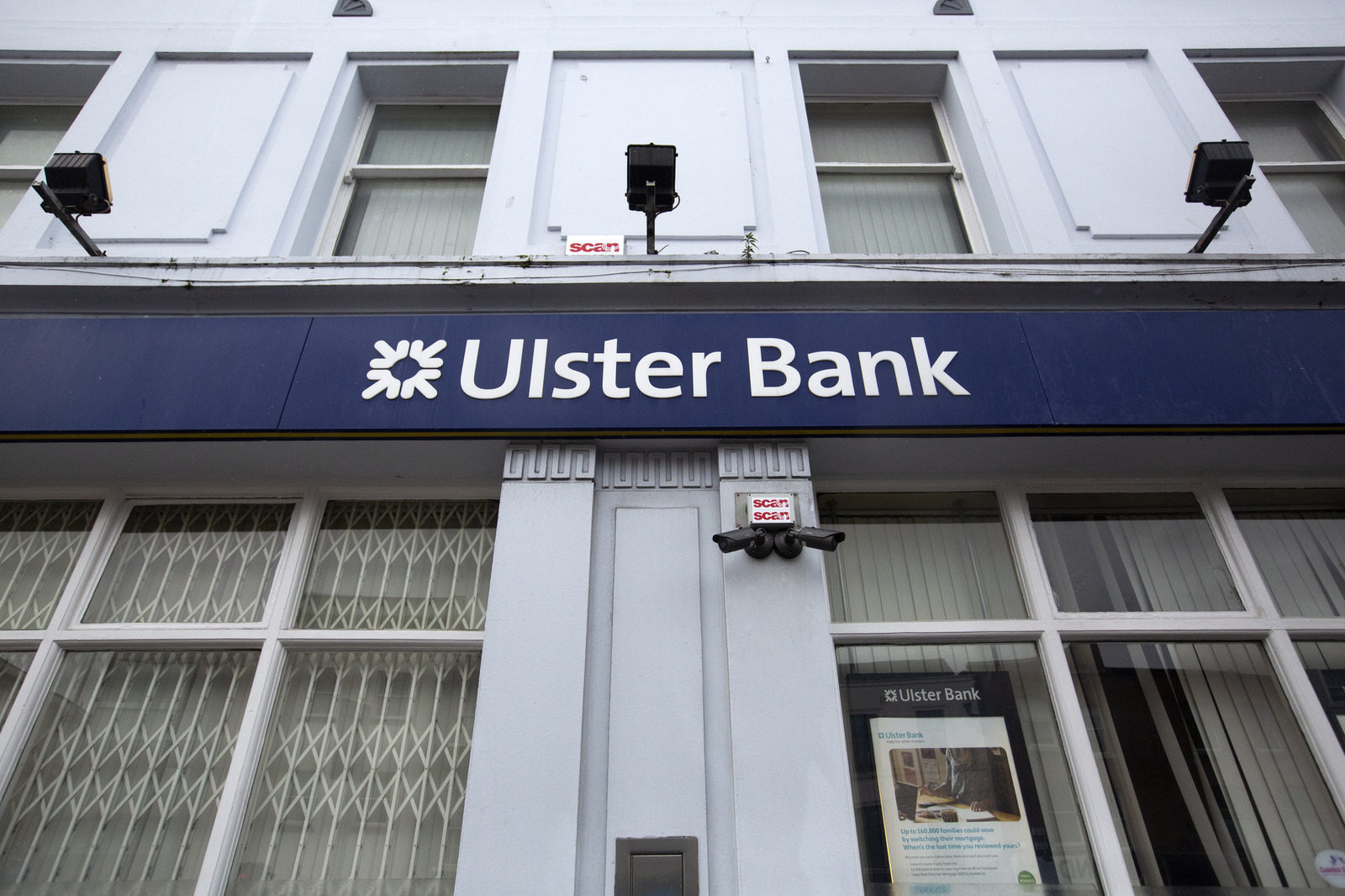
Chartered Accountants Ireland indicated that the exit of both Ulster Bank and KBC is making it harder for SMEs to access funding. Photo: Sam Boal/Rolling News
Chartered Accountants Ireland have urged the Government to conduct a review into the reasons why KBC and Ulster Bank exited the retail banking market in Ireland.
The institute, which represents 30,000 members, indicated that the exit of these banks have caused headaches for already struggling SMEs which are coping with inflation and supply chain pressures.
“As well as supporting competition in business banking, the Government should also recognise the importance of next-tier, alternative lenders,” said Chartered Accountants Ireland’s director of public policy, Brian Keegan:
Chartered Accountants Ireland indicated that the exit of both of these banks is making it harder for SMEs to access funding.
“The SBCI needs to continue to grow and develop partnerships to create competition that will benefit and support SMEs,” said Mr Keegan.
This is just one of many suggestions Chartered Accountants Ireland gave ahead of the this year’s Budget.
Chartered Accountants Ireland have also suggested allowing individuals to invest in renewable energy companies under the EII Scheme and for entrepreneur relief, which has a cap of €1m, to be revised and increased to €12m for entrepreneurs who reinvest in a new business.
SME representative body Isme also called for this relief to be increased in recent weeks, but to a slightly lower amount of €10m.

While the body suggested ways to help SMEs, AIB’s latest purchasing managers index for the services industry highlighted how vulnerable businesses in this area are.
Both input prices and charges in the services sector rose at the fourth-fastest rates on record, little changed from the all-time highs seen in March and April, respectively.
Anecdotal evidence mentioned higher prices for fuel, wages, energy and freight as contributing to the hikes, according to the PMI.
Irish service providers said they are less optimistic now than they were in previous months in relation to their outlook on business activity for the year due to high levels of inflation and supply chain uncertainty.


CONNECT WITH US TODAY



Be the first to know the latest news and updates