Worst squeeze in 21 years for British households piles pressure on Johnson
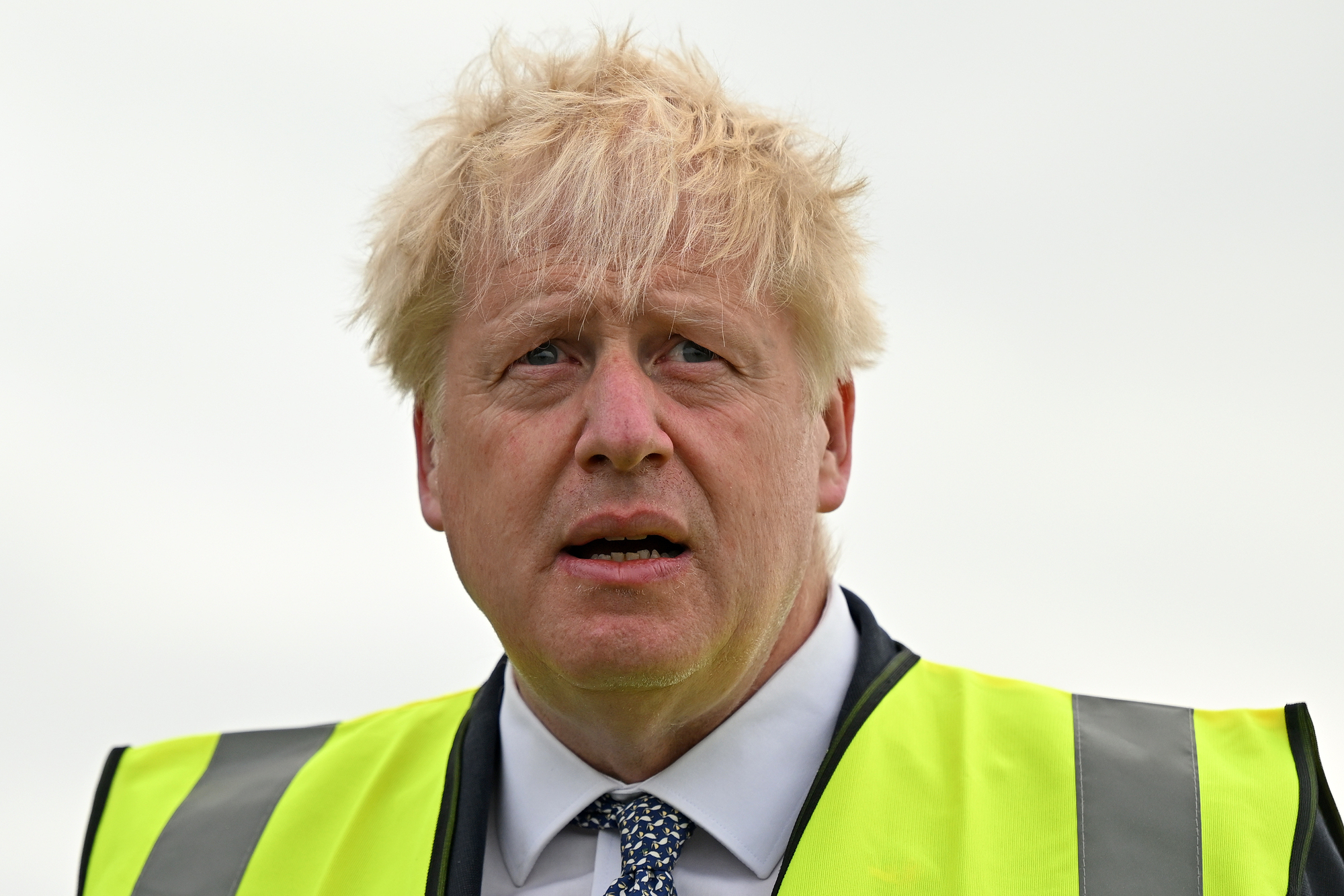
Average earnings in the UK, excluding bonuses, were 3.4% lower in April than a year earlier. This is piling pressure on British Prime Minister Boris Johnson.
The spending power of British households fell the most in at least 21 years as wage increases were eaten up by the fastest inflation in decades, official figures showed.
When adjusted for prices, average earnings excluding bonuses were 3.4% lower in April than a year earlier, the biggest drop since modern records began in 2001, the Office for National Statistics said.
The figures show how pay packets for most British workers are failing to benefit from the tightest labour market in living memory. Earnings rose by just over 4% in April, around half the rate of inflation. Wages including bonuses grew at a faster pace but the rewards are uneven. Unemployment edged slightly higher to 3.8%.
“This is really grim news on pay and is only likely to get worse,” said Tony Wilson, director of the Institute of Employment Studies. “The picture is particularly bad for public sector workers, with real pay falling by nearly 6% year on year."
The squeeze is piling pressure on British prime minister Boris Johnson and creating a major challenge for Bank of England governor Andrew Bailey as policymakers try to curb inflation without pushing the British economy into recession.
“Our jobs market remains robust with redundancies at an all-time low,” chancellor of the exchequer Rishi Sunak said. “Helping people into work is the best way to support families in the long term, and we are continuing to support people into new and better jobs."
Wages are rising too slowly for workers but are growing too quickly for companies, which are raising prices to protect their profit margins. The Bank of England is expected to deliver an unprecedented fifth successive rate hike on Thursday to avert a wage-price spiral, and money markets imply many more are on the way.
The figures underscore the crisis the British government faces in the public sector, where workers are becoming more militant in the face of collapsing real pay. For public sector workers, real pay is falling by nearly 6% a year, the ONS figures showed. Railway workers have been striking and the government has yet to agree public sector pay settlements for the health service.
For the government, calls for further help are mounting. Tax rises are adding to the squeeze and ministers admit that a £15bn (€17.4bn) aid package announced last month will only go so far to help.
“Real wages are falling off a cliff as the cost of living soars,” said Frances O’Grady, general secretary of the Trades Union Congress. “Millions of workers are being forced to choose between paying their bills or feeding their families. That isn’t right.”
CONNECT WITH US TODAY



Be the first to know the latest news and updates