How the hawks secured victory at the ECB over interest rate hikes this week
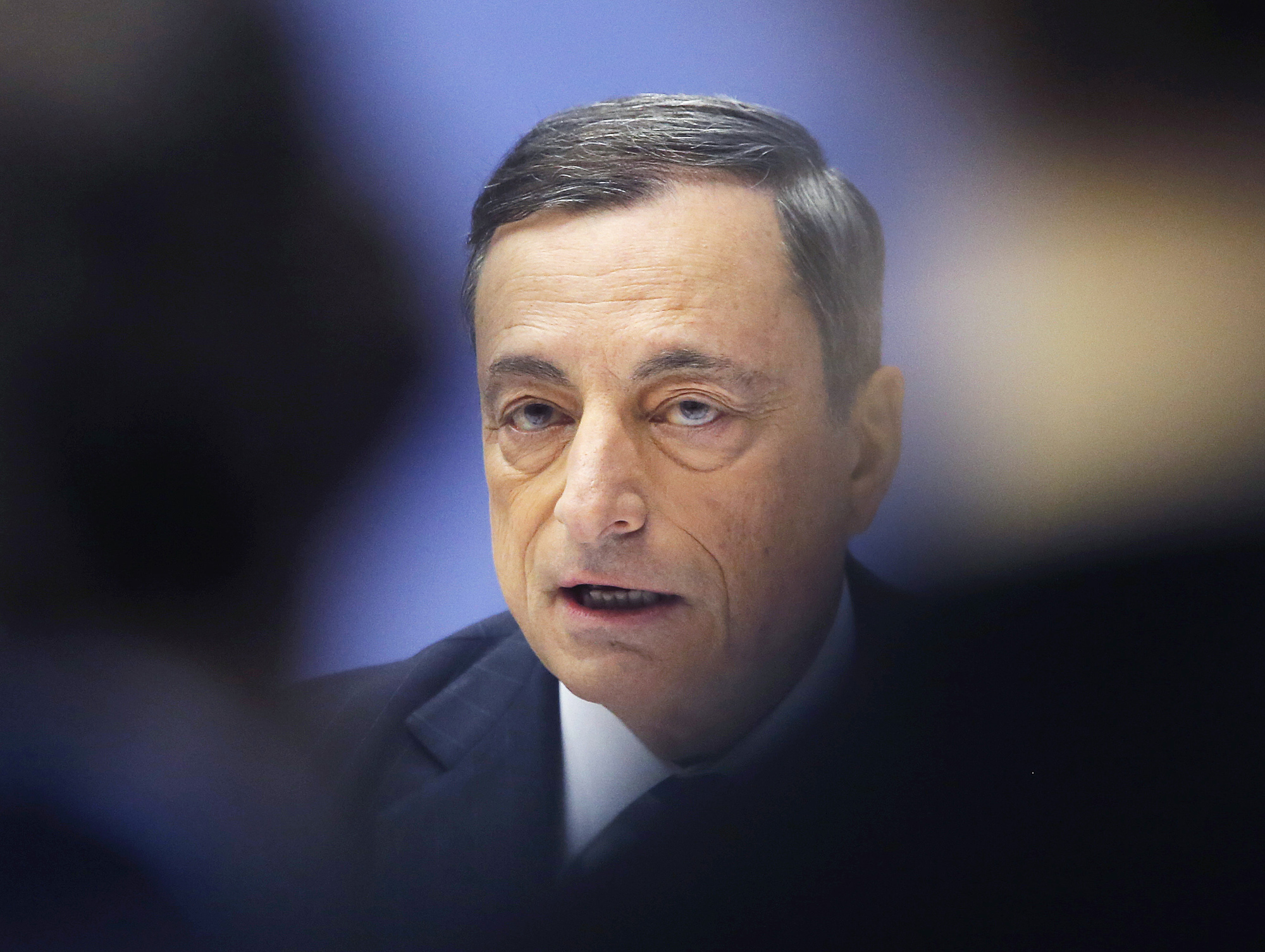
Mario Draghi, the former president of European Central Bank, had been at the helm for eight years.
For the first time in a generation, hawkish officials are taking control of the European Central Bank’s steering wheel.
What began as a lone push by Klaas Knot of the Netherlands little more than three weeks ago — to consider a half-point interest-rate hike — has morphed into a whole new campaign of monetary tightening for the eurozone, as unveiled by ECB president Christine Lagarde on Thursday.
Short of immediate action, the combination of an imminent end to bond purchases and promises of two increases in borrowing costs, including a likely 50-basis point, or quarter point, move in September, amounts to a major victory for the predominantly northern European contingent of officials fretting about record inflation.
The change of course not only marks a shift in the assessment of the price threat bearing down on the region, but also a re-balancing of power within the governing council.
A whole coterie of officials whose opinions favouring more restrictive policy were frequently disregarded when Mario Draghi was in charge now seem to be holding sway — drawing a line under an era in which the former president’s stance largely dominated.
“It’s the hawks winning all the positions, just like the doves did for many years,” said Karsten Junius, chief economist at Bank J Safra Sarasin.
“It’s definitely the hawks that prevailed and have pushed Lagarde. The 50 basis-point commitment is something that we have never seen.”
Also significant is the effective pledge entailed in the decision for consecutive moves at the coming two meetings.
That amounts to the sort of “pre-commitment” that former president, Jean-Claude Trichet, who led the ECB for much of the first decade of the century, used to eschew.
For the eight years that his successor, Mr Draghi, was at the helm — until 2019 — hawkish officials such as Mr Knot and then-Bundesbank president, Jens Weidmann, consistently found their views fell on deaf ears.
Contrast that with how the Dutchman and colleagues from Germany, Austria, and others are shifting the needle.
“Inflation in the eurozone won’t slow on its own,” Mr Weidmann’s replacement, Joachim Nagel, said on Friday.
Meanwhile, the formidable Italian influence at the ECB — where the most senior staff official in charge of crafting monetary policy is Massimo Rostagno, a fellow countryman that Mr Draghi appointed — now suddenly seems less potent.
- Bloomberg

CONNECT WITH US TODAY



Be the first to know the latest news and updates