Fiscal Council warns that Ireland has 'little margin of error' in dealing with cost-of-living crisis

The Government must contend with €2bn of hidden inflation costs ahead of Budget 2023 in October, according to fiscal watchdog
Fiscal Council warns that Ireland has 'little margin of error' in dealing with cost-of-living crisis

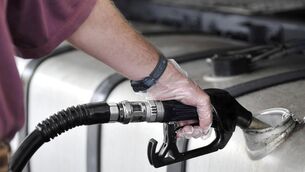
The price of everything from fuel to food is surging but Ireland's fiscal watchdog has warned that the Government will have little scope for tax cuts in October's budget. Stock picture: JupiterImages/PA

The Government faces €2bn of hidden inflation costs ahead of October’s budget as the cost-of-living crisis could limit the scope of major tax cuts in the coming years.

That is the assessment of the Irish Fiscal Advisory Council as the watchdog identifies the pressures on Government spending against the background of the biggest surge in inflation for a generation.


In a major report, the watchdog highlights “the very tricky balancing act” the Government faces to insulate the many households that are just about making ends meet, as energy and food prices take off.

With little margin of error, the Government will likely have to make difficult choices between fully indexing welfare rates and scaling back investment plans.

The €2bn figure is the amount the watchdog estimates the Government faces in “additional stand-still costs”, even before any additional spending, if it were to fully index all spending from the fallout of inflation.

The report says it is unclear what sort of hit the Government will take from inflation on its major capital projects, but costs will inevitably rise, forcing the Government to prioritise spending one way or another.

However, there is good news on the health of the Irish economy.

“Resilient” growth will help shrink the budget deficit, providing room to fund further targeted cost-of-living measures in October, it says.

Government revenues have tapped the exports boom of the pharma and IT multinationals based here. Nonetheless, the risks are substantial should energy inflation fail to ease back next year or should very large wage hikes lead to more price pressures, the watchdog warns.

In framing the 2023 budget in October, the fiscal council says there is enough in contingency funds to cover the cost of refugees arriving from Ukraine, while the measures announced for the cost-of-living crisis this year, including subsidies on utility bills and excise duty cuts, are running at €1.5bn, it estimates.

“We have basically had these favourable revenue trends and, through careful management of current spending, we can have both much more investment and an improvement in the budget balance,” fiscal council chairman Sebastian Barnes told reporters. “However this picture is complicated by higher inflation.”

Just to maintain public services, welfare rates and public pay at existing levels “will be quite high and pushed higher by the higher inflation that is expected”, according to the report.

On tax revenues, the watchdog says corporation taxes are still expected to generate 20% of overall public revenues. That means the State could be beholden to decisions made in the boardrooms of a handful of multinationals based abroad. The fiscal council believes €6bn-€9bn in corporation tax revenues cannot be relied on totally.

It wants such “excess” receipts in time to be diverted to build the Rainy Day fund.

It also wants updated costs for programmes — including climate change, Sláintecare, and the ageing population — and sees the increased probability for more defence spending in the years ahead.

More in this section

The Business Hub

Newsletter

News and analysis on business, money and jobs from Munster and beyond by our expert team of business writers.

Cookie Policy Privacy Policy Brand Safety FAQ Help Contact Us Terms and Conditions

© Examiner Echo Group Limited