Warning that uncertainty over Russian gas supplies to Europe will extend into 2023
Ukraine's decision to stop Russia supplying gas through a pipeline in its territory will add to Europe's energy worries
Warning that uncertainty over Russian gas supplies to Europe will extend into 2023

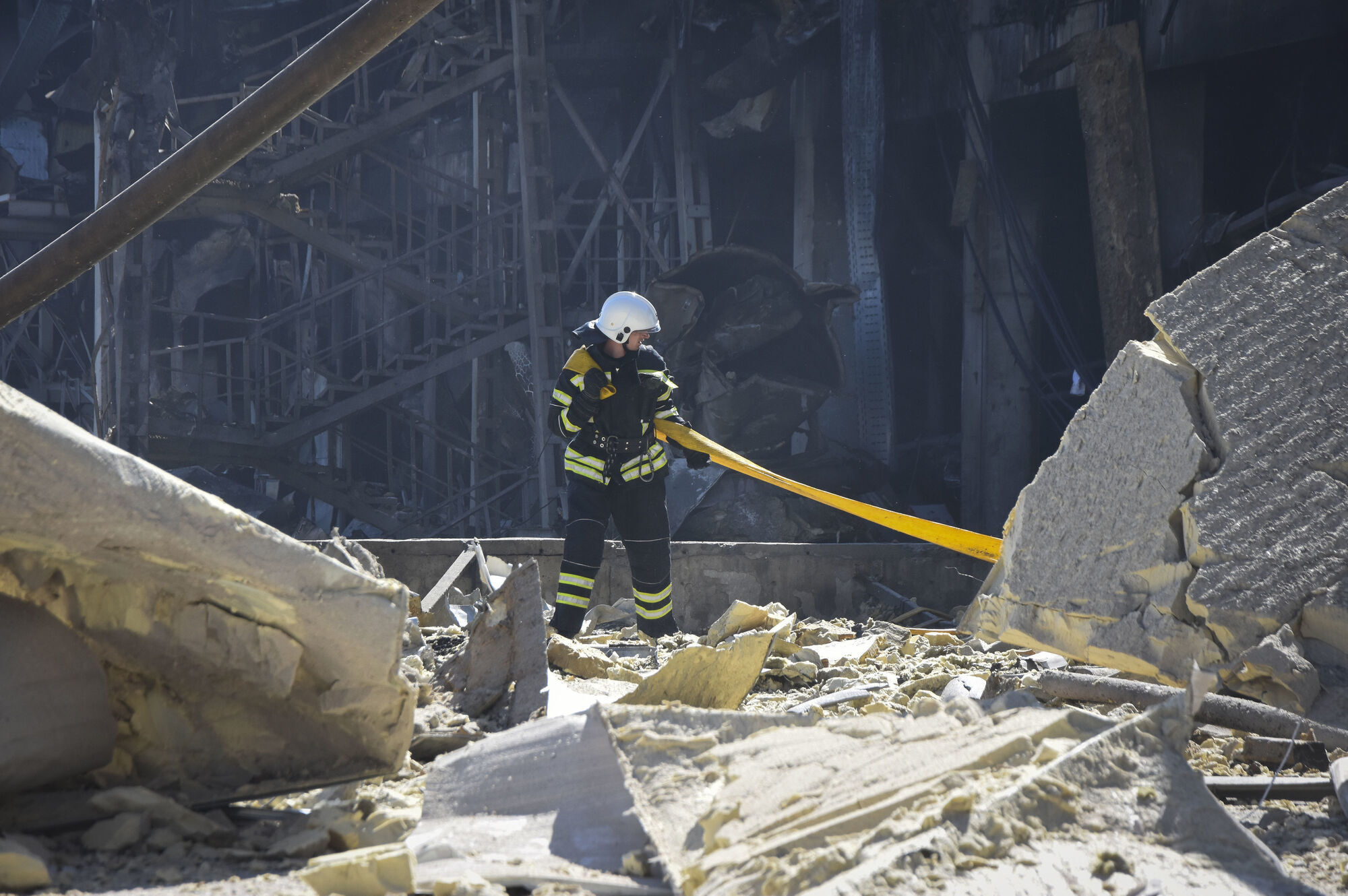
A firefighter in Odesa in the wake of a Russian missile strike on Tuesday. Ukraine’s announcement that it will no longer accept Russian gas increases the chances that Europe will struggle to meet its fuel needs. Picture: Max Pshybyshevsky/AP

Wholesale gas prices will likely stay elevated for some time as a decision by Ukraine over a transit pipeline increases uncertainty about the future of supplies for European businesses and households, a leading consultancy has warned.

Capital Economics said the decision over one of the pipelines in Ukraine bringing Russian natural gas to Europe “just adds to our conviction that Europe is going to struggle to meet its gas needs over the next year”.

It said that gas prices would likely stay elevated to at least next spring.

Ukraine said yesterday it could no longer accept Russian gas flowing through one of the pipelines supplying gas from Russia, although other flows at another pipeline transiting the country had increased.

European gas prices fell slightly late yesterday to trade at €97.25 per megawatt-hour for gas delivered in August, but traded at a historically high €75 for delivery in the summer of 2023.

Meanwhile, the latest US inflation report, showing that the annual rate of inflation had slowed to 8.3% in April, has done little to ease expectations for rate increases by the US Federal Reserve and the ECB.

ECB president Christine Lagarde said a first interest-rate increase in more than a decade may follow “weeks” after its net bond-buying ends early next quarter, joining a growing crowd of policy makers signalling a move as soon as July. Ms Lagarde said: 

The first rate hike, informed by the ECB’s forward guidance on the interest rates, will take place some time after the end of net asset purchases.

“We have not yet precisely defined the notion of ‘some time,’ but I have been very clear that this could mean a period of only a few weeks,” she said in a speech in Ljubljana in Slovenia.

Despite the war in Ukraine raising the spectre of stagflation in Europe, money markets are fully pricing quarter-point increases from the ECB in its July and September decisions, with a further hike by year-end.

Traders are betting the deposit rate will peak at 1.5% in about two years’ time.

Andrew Hunter, senior US economist at Capital Economics, predicted that the US inflation numbers will push expectations for US near-term hikes but “a more pronounced drop back in inflation will allow officials to slow the pace of tightening in the second half of the year”.

  • Irish Examiner and Bloomberg 

More in this section

The Business Hub

Newsletter

News and analysis on business, money and jobs from Munster and beyond by our expert team of business writers.

Cookie Policy Privacy Policy Brand Safety FAQ Help Contact Us Terms and Conditions

© Examiner Echo Group Limited