Russia dodges default for time being as investors get payments
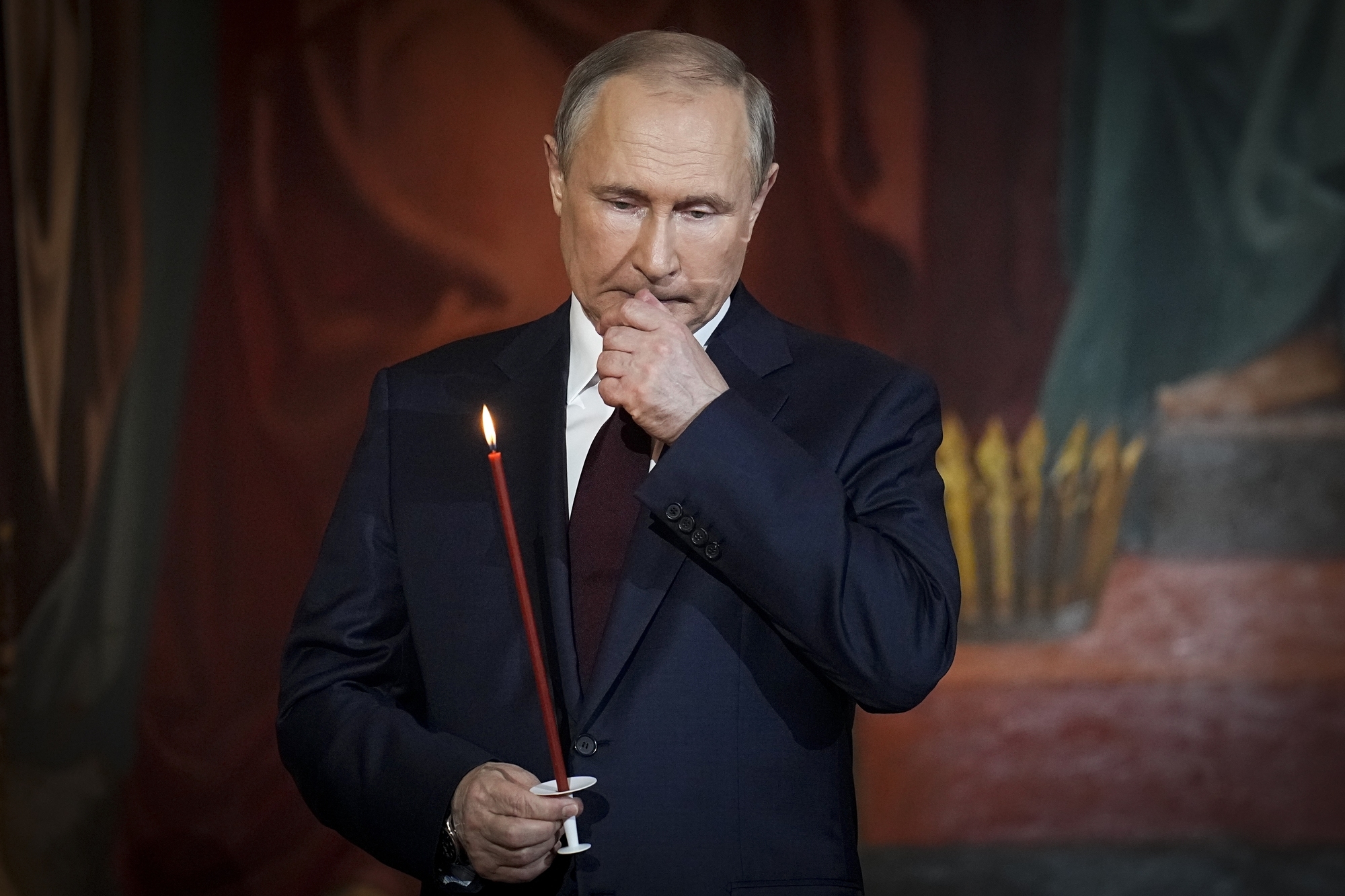
Russian President Vladimir Putin could face bigger hurdles within weeks that scupper future payments and risk a default by the country.
Russia’s closely watched dollar payments on two bonds are trickling through to investors after the country dipped into its local holdings of the US currency and sidestepped its first foreign default in a century.
The transfer of the $650m (€618m) had got tangled up in the wide-ranging sanctions imposed after the invasion of Ukraine. And despite the 11th-hour escape before a Wednesday deadline to get the funds to creditors, Russia could face bigger hurdles within weeks that scupper future payments.
For now, it appears money is getting through. Three investors said their custodian banks had received payments, asking not to be identified discussing private transactions. Major international clearing houses have received and processed payments for the eurobonds due in 2022 and 2042, according to people familiar with the situation.
The bond controversy kicked off when the payments from US accounts were blocked by the US Treasury in early April. Russia tried to pay in roubles, but that was deemed a breach of contract, leading to legal threats from Moscow, warnings from ratings firms and an apparent one-way path to default.
Then, with days remaining before a 30-day grace period expired, Russia unexpectedly tapped its domestic dollar reserves and the money started to flow to waiting investors.
Russia could still get tripped up by the sanctions before the end of this month. That’s because an exemption in US restrictions allowing interest and related payments to holders of Russian bonds runs out on May 25, and the US Treasury hasn’t yet decided whether to extend the current broad carve-out.
The US, the EU and others are using the global banking system to cut Russia off from its money and squeeze President Vladimir Putin’s resources, and that will feed into the decision about the May 25 deadline.
The US will have to decide whether it’s better to allow payments to continue so Russia drains its dollar cash pile, or let it trip into default and carry that financial stigma for years, if not decades.
“The fact that Russia is attempting to make the payments in US dollars indicates to us that they do want to avoid a default,” Morgan Stanley’s global head of emerging-market sovereign credit strategy Simon Waever wrote in a note.
The next payments are due on May 27 for bonds maturing in 2026 and 2036 -- two days after the OFAC exemption is set to expire.
Unlike the bonds in question on Tuesday, the contractual terms of the 2026 and the 2036 bonds potentially give Russia other options if it cannot pay using usual routes for reasons beyond its control.
- Bloomberg