Ibec calls for energy costs supports as UN warns of more wartime food price hikes
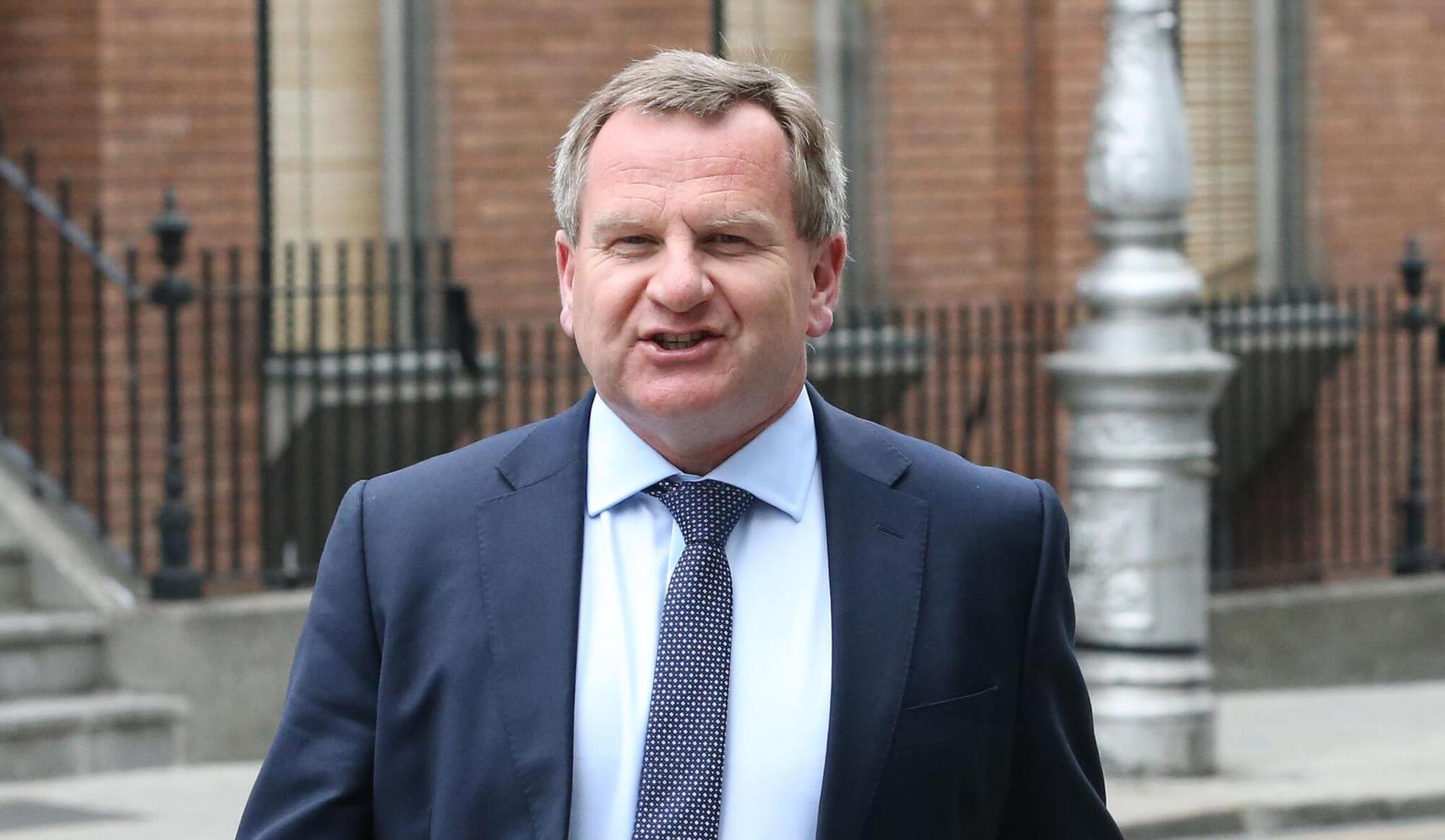
Ibec chief executive Danny McCoy: 'Ireland is acutely exposed to these cost increases and energy supply challenges because of our increasing dependence on imported gas, our low levels of electricity interconnection, and a surge in electricity demand projected for this decade.'
Ibec has called on the Government to intervene to secure energy supplies and safeguard against the "exceptional" price hikes facing firms with new supports.
In a letter to Taoiseach Micheál Martin, chief executive of the business group Danny McCoy outlined measures it says will be needed in the next three months to help business to navigate the additional huge price pressures amid the Ukraine war.
Ibec seeks "direct fiscal" measures and wants the Government to identify the pressure points to ensure the security of supply, including by prioritising hydrogen and renewable gas.
“Ireland is acutely exposed to these cost increases and energy supply challenges because of our increasing dependence on imported gas, our low levels of electricity interconnection, and a surge in electricity demand projected for this decade," said Mr McCoy.
"Like households, Irish businesses are struggling to adjust to these exceptional price increases, with energy-intensive sectors at particular risk.
"Firms and jobs will be lost if Government doesn’t do more to address this energy crisis."
Gas Networks Ireland welcomed the call by Ibec.
It comes as wholesale prices of gas and crude oil continued to trade at elevated levels. The price of European wholesale gas for delivery in the early summer months traded late Friday at €130 per megawatt per hour, representing multiples of the price a year ago.
Brent crude oil traded at close to $111.80 a barrel.
The United Nations also warned that record-high global food costs could surge another 22% as Russia’s assault on Ukraine stifles trade and slashes future harvests.
A report from the agency’s Food and Agriculture Organization (FAO) shows the far-reaching fallout of the war on the world’s food system, with the impact set to stretch well beyond the next season.
Ukraine and Russia together account for more than a tenth of all calories traded globally, and those flows have been stifled since the conflict erupted late last month.
Soaring production costs means other countries will only partly be able to compensate for the “sudden and steep reduction” in Black Sea grain and sunflower exports in the coming 2022-2023 season, said FAO.
That will likely push international food and feed prices 22% higher and a “considerable” supply gap will linger if the war persists and energy stays expensive.
"The likely disruptions to agricultural activities of these two major exporters of staple commodities could seriously escalate food insecurity globally,” said FAO director general Qu Dongyu in a separate statement, adding hunger could also rise in Ukraine. “International food and input prices are already high and volatile.”
The war is likely to leave 20% to 30% of Ukraine’s crop area for the 2022 season unplanted or unharvested, the FAO estimates.
Winter grains such as wheat were planted months ago, but farmers would normally begin sowing corn and sunflowers in a few weeks.
- Irish Examiner. Additional reporting Bloomberg
.
CONNECT WITH US TODAY



Be the first to know the latest news and updates