Warning that firms cannot absorb energy price hikes
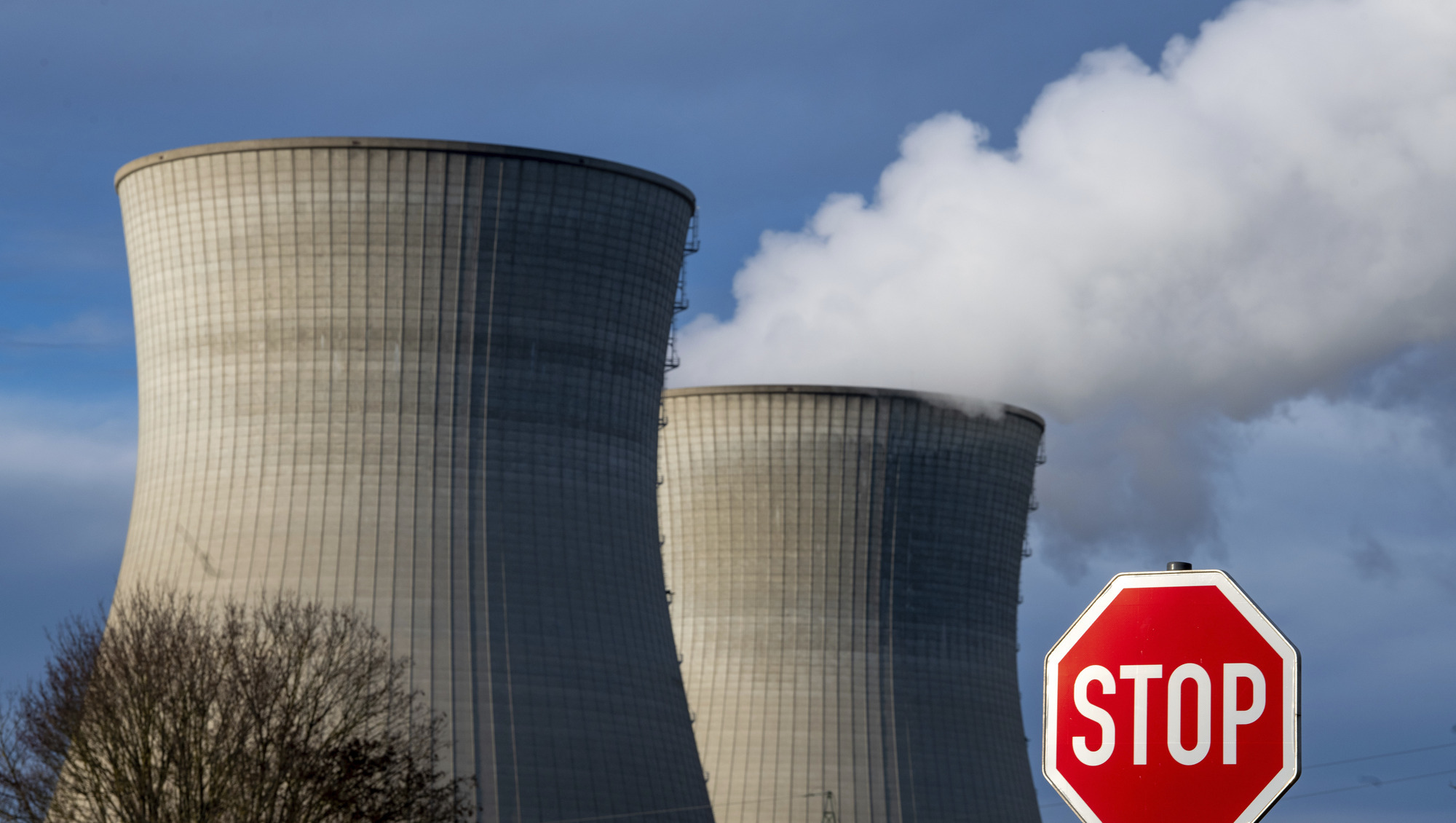
There was no let-up in energy price pressures on international markets on Friday.
Soaring energy inflation will require an effort across Government to police unjustified price hikes and "shrinkflation" to prevent a return to the era of consumer rip-offs, Dermott Jewell, policy head at the Consumers' Association of Ireland has warned.
Mr Jewell said the Government should set up a new section that can monitor and publish price increases on a more regular basis than the official monthly reports — as it did during the health crisis in the last two years.

He warned that consumer frustration is running at a high level because businesses that are rightly focused on recovering from the Covid-19 crisis are not going to absorb price increases.
So-called shrinkflation, which refers to instances where manufacturers and retailers try to pass on costs by offering less of a product or a service, will have to be resisted, Mr Jewell said.
"Rip-offs are bound to raise its head in the not too distant future because prices are increasing at such a rate that there is no consideration of absorbing them," he said.
"The lessons of the early noughties when consumer price hikes last spread across the economy will need to be learned," he said.
Austin Hughes, chief economist at KBC Bank Ireland, said it was important that people were aware of looming price pressures.
However, the huge rise in energy prices in recent months is a signal about the long-term direction "and you cannot hold back the waves" on global energy costs, Mr Hughes said.
Elaine O’Mahoney, head of communications at the CSO, said that it was "always willing to consider innovative ways of making relevant data more accessible".
The US reported this week that inflation there in January was at a 40-year high.
The Government here has responded with a new package that features a rise to €200 in the rebate for household utility bills.
However, Brian Keegan, director of public policy, said the Chartered Accountants Ireland was disappointed that the Government had failed to cut the 13.5% rate on utility bills.
“While the increased electricity credit will be welcome in many homes, it’s disappointing that the Government didn’t go further and temporarily reduce the Vat rate on the likes of heating oil, gas, and electricity to 9%," Mr Keegan said.
There was no let-up in energy price pressures on international markets on Friday.
European wholesale gas prices rose by 3.5% for delivery in March and were up 4.5% for June, a month when prices should be falling back.
Meanwhile, crude oil prices also rose after the International Energy Agency said oil markets were tight but were still heading for weekly losses on inflation worries and US-Iran which could boost global supplies. Brent crude futures rose by $1 to $92.40 a barrel.
Prices are on track for their first weekly decline after seven consecutive weekly gains, however.