Uncertainty over maternity rights is an obstacle for female founders

'Jeff now is the best CEO to actually scale the company,' says Talivest founder Jayne Ronayne of the company's newly-appointed CEO, Jeff Matthews.
Talivest, a Cork-based employee analytics firm, experienced its most successful year to date in 2021 since it was created in 2018. Yet, its founder Jayne Ronayne has recently decided to leave this growing company in 2022 to start a new venture — having a family.
Ronayne launched the company with Laura Belyea who had 25 years experience being head of people for different companies such as Elizabeth Arden and Telefónica. The company uses analytics to see why staff choose to leave or stay in their jobs.
Last year the company raised $1m (€886,000) and, during the pandemic, it grew its existing contracts by over 50%. Talivest is also currently completing another funding round. Despite the firm's momentum, tech entrepreneur Ronayne said the right choice for her and for the company was to take a step back while she focused on growing her family:
“When I originally found out that I was going to be a mom, I remember having a call with our investors saying ‘I’m due in February but don't worry, I'll be back in March'. And that was kind of a bit of a wake-up call,” she said. "Because this is one of the things that I'm in no way in control over. And it's something that I never want to look back on and wish I had more time.”
In 2010, a directive by the European Commission that allowed self-employed women to receive state-funded maternity leave was introduced into Ireland. However, over a decade on, there are still barriers in the way for women entrepreneurs to start a family. Making Ronayne an outlier.
In a 2020 report, the OECD stated in Ireland there is a discrepancy between the qualifying conditions for maternity benefit for employees and those for female entrepreneurs which is acting as an impediment to women setting up new businesses and creating jobs.
The OECD suggested Ireland look to the German model for inspiration when it comes to maternity benefits for female business owners. Germany made changes in recent years to family policies to support women in the labour market, including in business creation and self-employment. These measures include public funding for childcare, parental allowances, and tax deductions for childcare.
The uncertainty for maternity rights is just one obstacle for female founders in Ireland, states Ronayne.
Securing funding for female-founded startups is another challenge and, while women are scrambling to get their businesses off the ground, it becomes more difficult to focus on personal ambitions like starting a family.
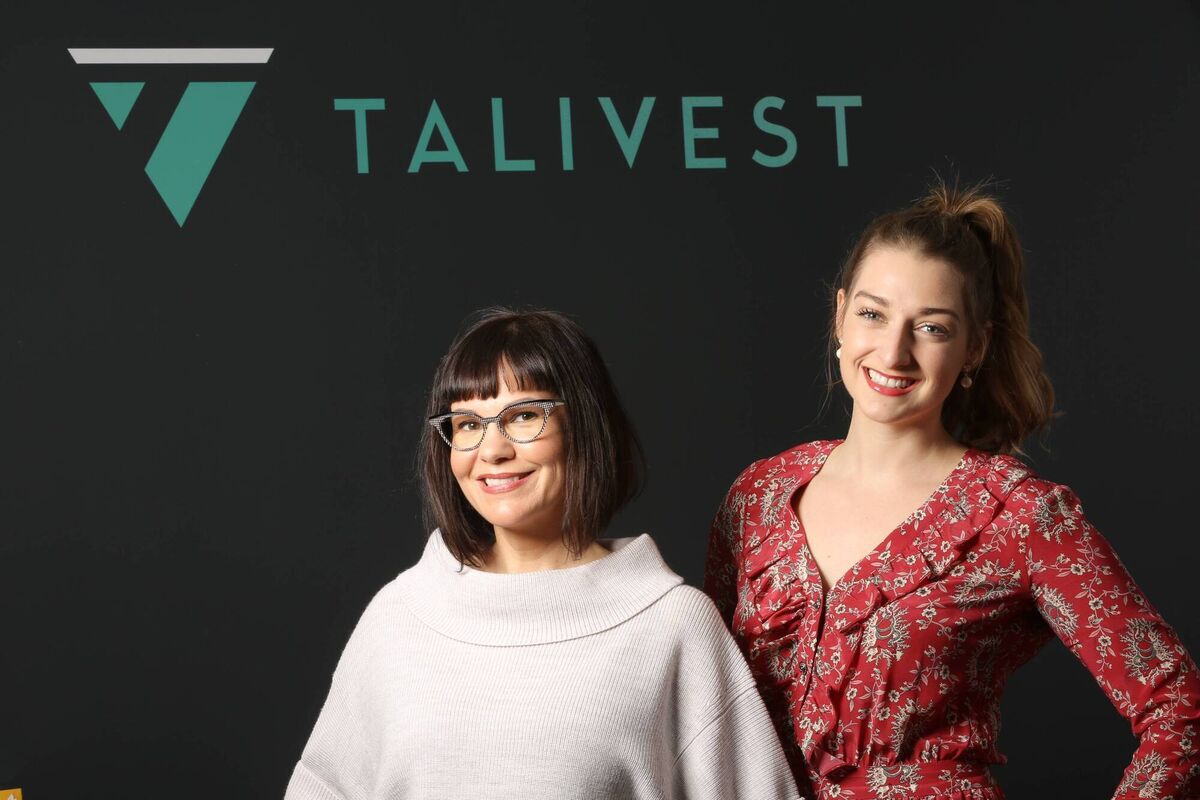
“We're still sadly having a conversation about how little support females get in terms of funding,” said Ronayne.
"Yes, it is moving in the right direction. But I don't think I've ever even been a part of a conversation with anybody else when it comes to how we can support new moms in this field."
Figures released by TechIreland last year showed that female-founded startups in Ireland received just 6% of VC funding. Sometimes, family life and funding overlap for female founders. One example of this is Anastasia Leng, founder of digital advertising company CreativeX. Leng recently claimed she lost out on funding after she said she was pregnant.
“It's very daunting starting a company, but it's even more daunting to think about how can I have a family, step away for the time I need, to have a startup on the side,” said Ronayne.
For Ronayne though, the decision was a simple one to make in the end, and she said it was the best choice for both her and her company.
“The most important thing for me is that the company continues to grow. I think within a company's lifecycle there are different stages. I think I was the appropriate CEO to bring it from the idea stage, the concept stage, to actually execute it. Jeff now is the best CEO to actually scale the company,” said Ronayne.
Ronayne met the new CEO of Talivest Jeff Matthews while working for Plan Ireland in Ghana. They became friends and Matthews was one of Talivest’s first investors. Before taking the reins from Ronayne, Matthews worked with Salesforce and then LinkedIn.
Ronayne is not leaving the company forever though, and said she will return to Talivest but in a different role which allows her to focus on securing funding and scaling the company. She hinted that the company may be looking to hire more staff as she said one of the biggest challenges this year was not having “enough actual bums on seats trying to keep up with the momentum".


CONNECT WITH US TODAY



Be the first to know the latest news and updates