Central Bank sees 'damaging wage rises' as main risk to robust recovery
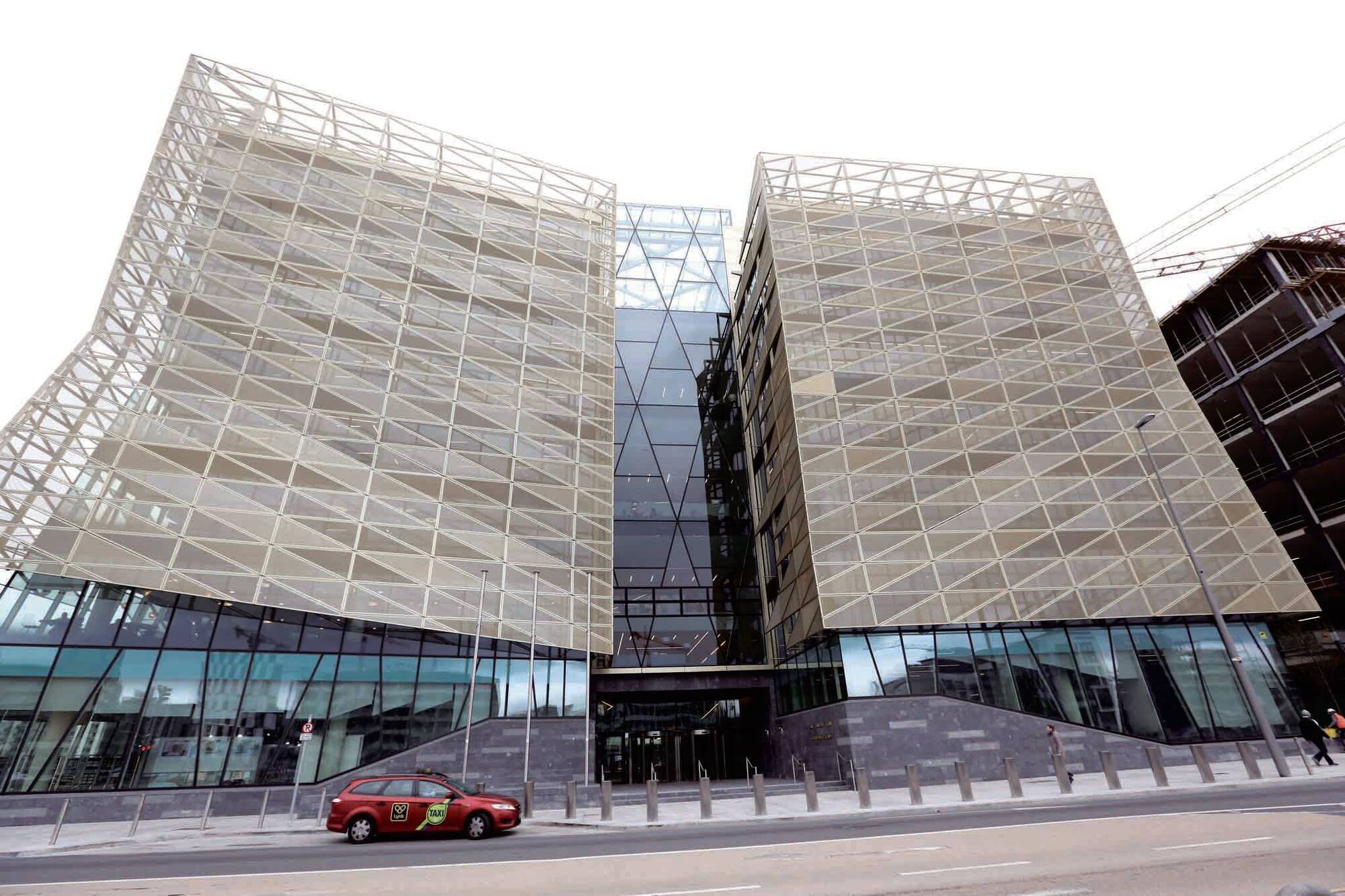
The Central Bank sees average wages increasing 3.25% this year, rising by 4.25% in 2023, and then growing by 5%. It notes Irish inflation is also being driven by surging house rental costs. File photo: RollingNews.ie
Economic activity and unemployment are returning rapidly to pre-crisis levels but stubbornly high inflation could yet hit the living standards of many of the lowest income households – even as wage increases take off, the Central Bank has said.
The bank’s latest quarterly outlook is its most upbeat since the start of the Covid-19 crisis almost two years ago, and confirms the Irish economy is among the fastest growing in Europe, with government finances in “remarkably” good health despite the huge public costs entailed in fighting the fallout of the pandemic.
The Government’s annual budget will be back in the black next year and underlying debt levels will fall quickly, in stark contrast to the legacy of the financial crisis of 10 years ago.
However, the pace of inflation which is already running at its highest for two decades this winter will remain “higher for longer” into the early summer, the Central Bank has warned. Inflation starts to moderate after several months as key wholesale gas prices look set to remain at elevated levels through the late winter and spring months.
Any invasion or lessening of the tension over Ukraine would obviously affect key gas prices, in either direction. The harmomised measure of inflation will average 4.5% this year, the Central Bank projects, which means inflation will peak at a high level before falling back later this year and in future years.
Meanwhile, the Central Bank is on the lookout for any “damaging wage increases” across the public and private sectors to take hold.
Mark Cassidy, its director of economics and statistics, told reporters wage pressures were “quite strong” in the parts of the economy that have performed well during the pandemic but which have also likely posted productivity gains.
Wage increases are the risk “we would draw most attention to,” Mr Cassidy said. Mr Cassidy said he expected, as in the early 2000s, that wage increases would spread across the economy.
The Central Bank sees average wages increasing 3.25% this year, rising by 4.25% in 2023, and then growing by 5%. It notes Irish inflation is also being driven by surging house rental costs.
Asked about the winners and losers, Mr Cassidy said that people working in professional services are benefiting from significant wage hikes.
But energy-led inflation disproportionately affects the lowest income households who spend up to 18% of their income on heating, lighting and on petrol and diesel costs – more than double for the population as a whole, Mr Cassidy said.
Unemployment at below 5% suggests the economy will be back at full employment in 2024, according to the Central Bank forecasts. And the economy is expanding strongly regardless of the activity measure as it projects GDP will grow by 7% and modified domestic demand by 8.7% this year.
The Government finances are coming out of the crisis in remarkably good shape and the report predicts the annual budget will be back in surplus next year, with overall debt falling as the economy expands rapidly.
The Central Bank also highlighted another remarkable outcome of the pandemic as female participation in the workforce set a new record, possibly because working form home has allowed women to balance the demands of childcare, Mr Cassidy said.
CONNECT WITH US TODAY



Be the first to know the latest news and updates