How to recognise company greenwashing
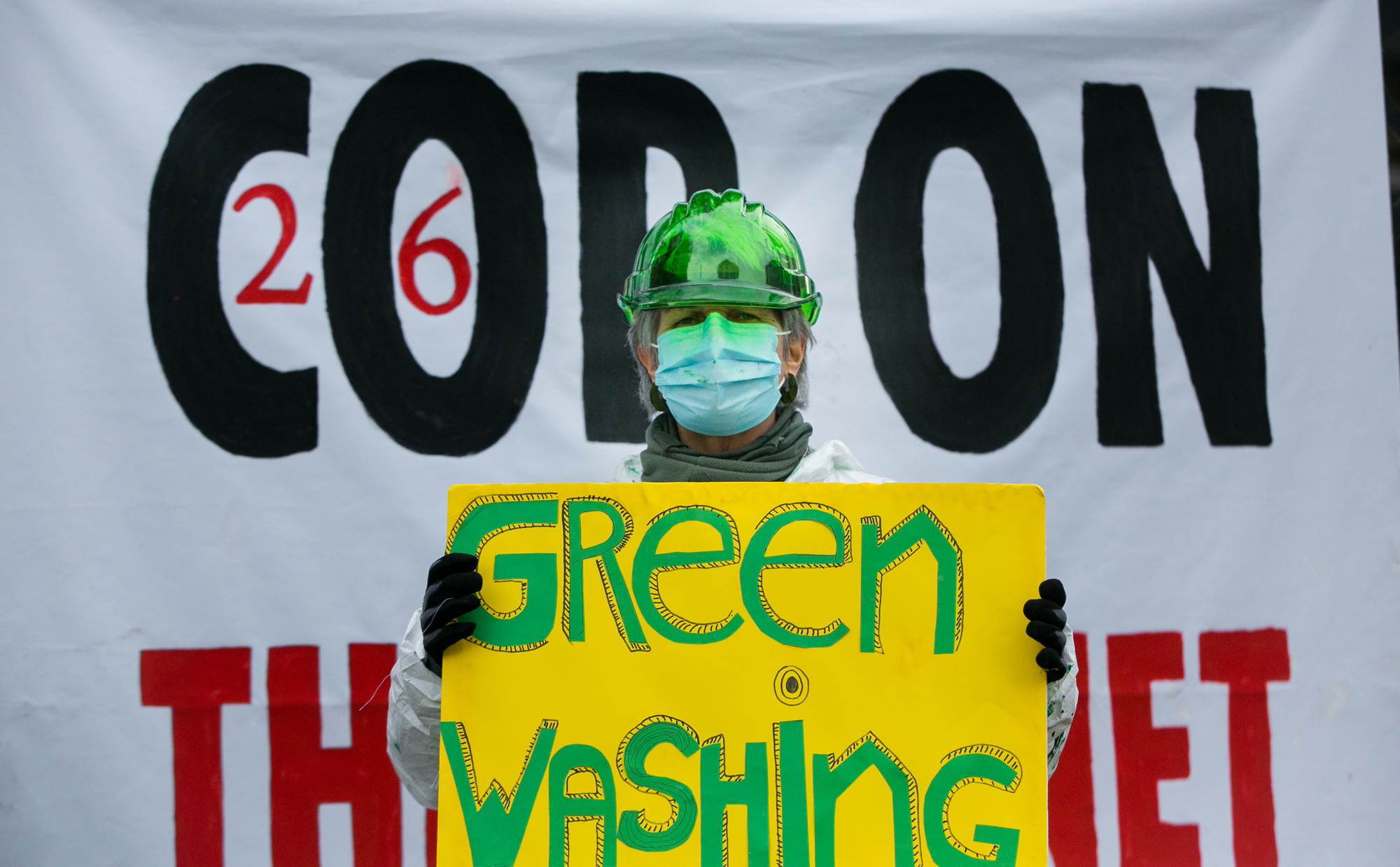
Companies and governments are coming under increasing pressure to back up their climate pledges and show real results.
False solutions to cutting planet-warming carbon emissions aren’t new. But the number of people hawking those answers, and the money being spent on them, has grown substantially in the last few years.
The world’s 10 largest economies now have a goal to reach net-zero emissions within decades. It’s a big business opportunity that’s prompted all kinds of people to finally pay attention to the climate problem.
It’s no longer just cranks emailing about a perpetual-motion machine they invented in their garage. Journalists regularly get press releases talking up everything from how multinational corporations are solving the climate crisis by encouraging recycling to claiming their products are “sustainably sourced” when they aren’t.
Sometimes the greenwashing oozes from these solutions, but often it’s hidden through sophisticated tricks. Here are some ways to test whether a climate solution is worth paying attention to.
CLIMATE & SUSTAINABILITY HUB
The first question to ask is does it smell like greenwashing? Some solutions are framed as a band-aid that’s needed before the real solution arrives. Carbon offsets fall into this category. Done properly, the credits may prove to be a way to erase a tiny sliver of global greenhouse gas emissions. That potential, however, is often stretched beyond plausibility to justify much more dangerous ongoing pollution.
The second test is to see if it claims to have found the silver bullet. Sadly, climate change won’t be solved by killing werewolves. That doesn’t stop many from declaring that, say, if only the world could adopt carbon taxes or fund the development of nuclear fusion, we’d stop warming the planet. Always be wary of someone claiming to have the one and only answer to such a multifaceted problem.
That old saying ‘is it too good to be true?’ stands the test of time. It’s not to say that wacky ideas aren’t welcome. But they need to prove applicable outside a laboratory.
The next question to ask is ‘is it just marketing?’ Ideas often gain credibility when people you trust support them. That’s not always enough. Just look at the growing sums of money going toward ESG funds that support companies supposedly tackling environmental, social, and governance issues. The reality is that sustainable investing is really about sustaining bottom lines, not the planet.
As companies and governments come under more pressure to disclose their emissions, it’s slowly becoming easier to keep track of how they’re doing. Ultimately the question remains: are their emissions dropping as quickly as the science demands?
CLIMATE & SUSTAINABILITY HUB
CONNECT WITH US TODAY



Be the first to know the latest news and updates