Paul Joyce: Ireland deserves an honest conversation about consumer debt
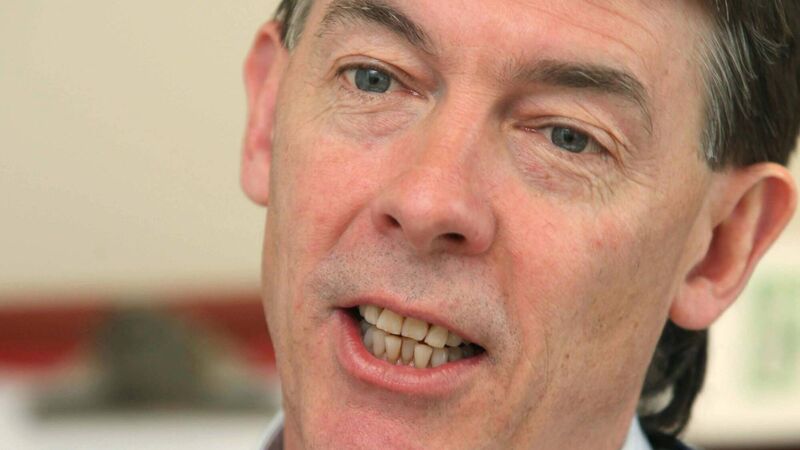
Paul Joyce, Flac senior policy analyst.
A year of contradictions and extremes comes to an end, a time perhaps to assess the financial impact of Covid-19 on individuals and households.
Many of the same bank accounts are still apparently swelling with cash according to figures, their holders unable to spend what has been earned.
The struggle to survive goes on for the usual vulnerable suspects — those on low pay, on lay-off, in receipt of welfare payments, and emergency housing supports.
Some things we were told had to go are making a partial comeback, such as the Pandemic Unemployment Payment, now reinstated for those who have lost their employment as a direct result of current public health restrictions.
Other reappearances are more sinister.
Blame Brexit-related blocks in the supply chains and a spike in energy prices across the world.
It will settle down in time, unless upward wage pressures persist, wouldn’t you know.
No price gouging involved then.
Meanwhile, in a move as strange as "universal" child benefit for the children of multi-millionaires, the Government has decided that all who have a domestic electricity account should get €100 discounted from their bills early in the new year.
After all, means tests are so much trouble.
While this might help to defray the cost of Christmas lights, it comes nowhere near remedying the plight of some quarter of a million electricity accounts in arrears, as recorded by the Commission on the Regulation of Utilities for the end of April.
What happened to "exceptional needs" payments, supposed to be targeted at those who have exceptional needs?
Covid has once again illustrated that Government can legislate quickly when it sees the need to do so.
Nonetheless, in the world of credit and debt, the buy-now-pay-later credit companies have entered the Irish market, but legislation to regulate non-bank car finance and store credit outfits remains mired in the multi-staged processes of the Houses of the Oireachtas.
The legislation provided, in effect, that this review must have commenced by the end of July 2016, but it never set a date by which the review must be completed. Funny that.
In 2021, the debate around housing policy continued to rage amid rising rents and largely static supply, but we seem no closer to recognising what has been staring us in the face for many years now — the need to fund and construct public housing on publicly owned land.
The world of consumer debt has meanwhile been eerily quiet.
So quiet that early this year, after nine months of Covid, the Free Legal Advice Centres, or Flac, decided to embark upon a fact finding exercise to attempt to see what might be happening.
The result was the series of papers published this year.
There will be a concluding paper in early 2022.
Our analysis of the available data suggests that there is currently no publicly accessible information on levels of unsustainable unsecured debt in Ireland.
While the Central Bank, the regulator of lenders, publishes quarterly figures on accounts in mortgage arrears, there are no such figures for non-mortgage consumer credit agreements.
A large number of borrowers availed of payment breaks on mortgage or consumer credit agreements in 2020 from the main banks and the majority returned to full payments by the end of that year.
However, a significant minority of borrowers were reported to be repaying on an extended term or "receiving other forms of lender support".
Significantly, there has been no data published on payment breaks offered by the retail credit or credit servicing firms.
Such firms collect payments on behalf of vulture funds and sub-prime lenders.
This omission remains unexplained.
Neither is there data in 2021 on new payment breaks or an update on the position of those people who had already availed of such breaks.
Sooner rather than later, an honest conversation about consumer debt in light of Covid will have to take place.
A comprehensive review of the infrastructure to resolve cases and the services to support borrowers in difficulty is overdue.
Better and more complete data from the regulator, stronger and more balanced codes to tackle arrears, comprehensive insolvency and legal advice for all types of debt, and more decisive and accessible personal insolvency legislation are all needed.
There are many, regardless of their tenure, who will count themselves lucky to shut the front door behind them this Christmas but who also know that their worries are far from over.
The least they deserve is a more pro-active and compassionate approach by Government.


CONNECT WITH US TODAY



Be the first to know the latest news and updates